 English
 中文简体
中文简体 日本語
日本語 Español
 عربى
عربى
Search
Categories
Recommend
Categories
 Company news
Recommend
-
 Industry news
 -
 Industry news
 -
 Industry news
 -
 Industry news
Aug 28, 2026 - By admin
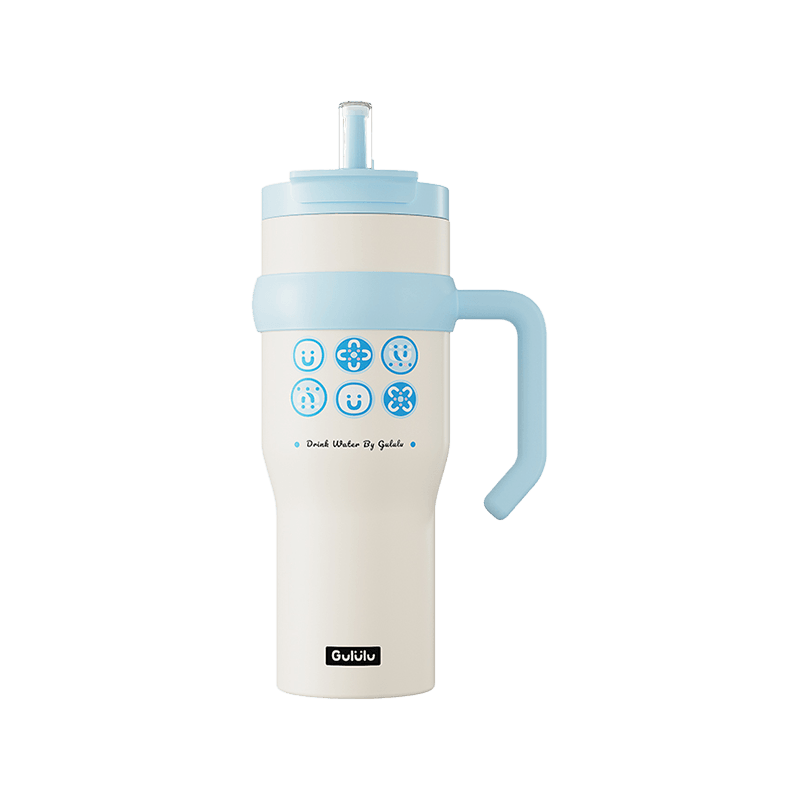
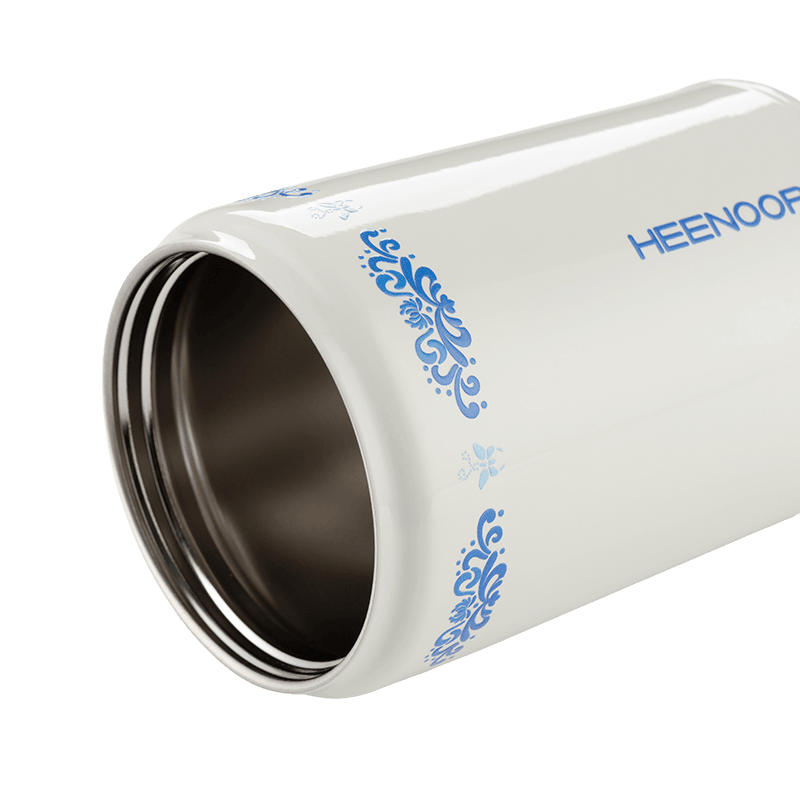 HEENOOR Xinyao Series Dual-drink Coffee TumblerThis 380ml handle tumbler pairs a straw and direct-sip dual lid with a sealing ring against leaks, suiting commuters who want one-handed operation and a vessel that sits securely in a cup holder.View Product →
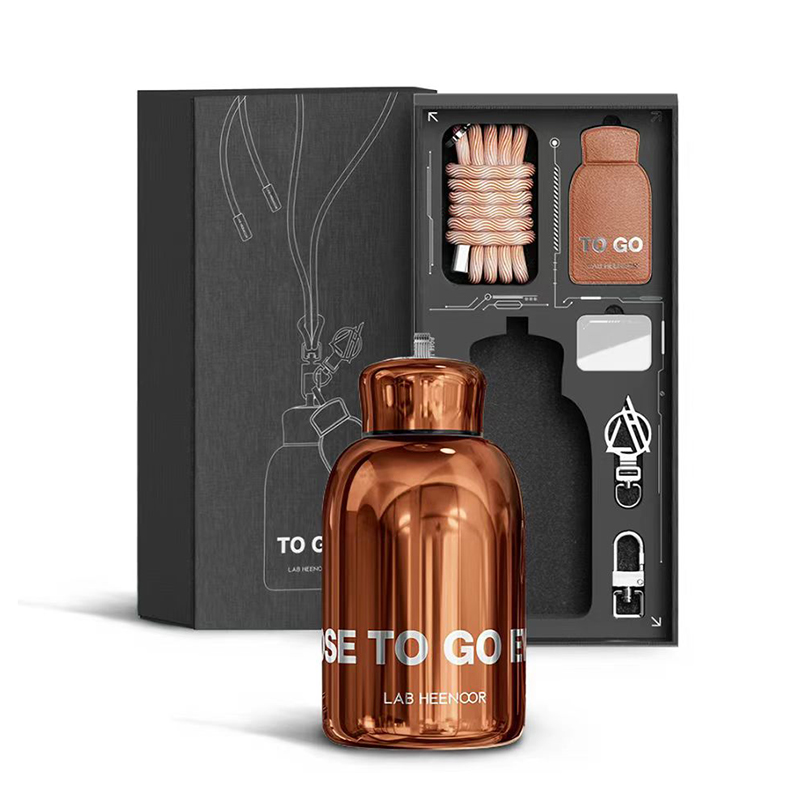
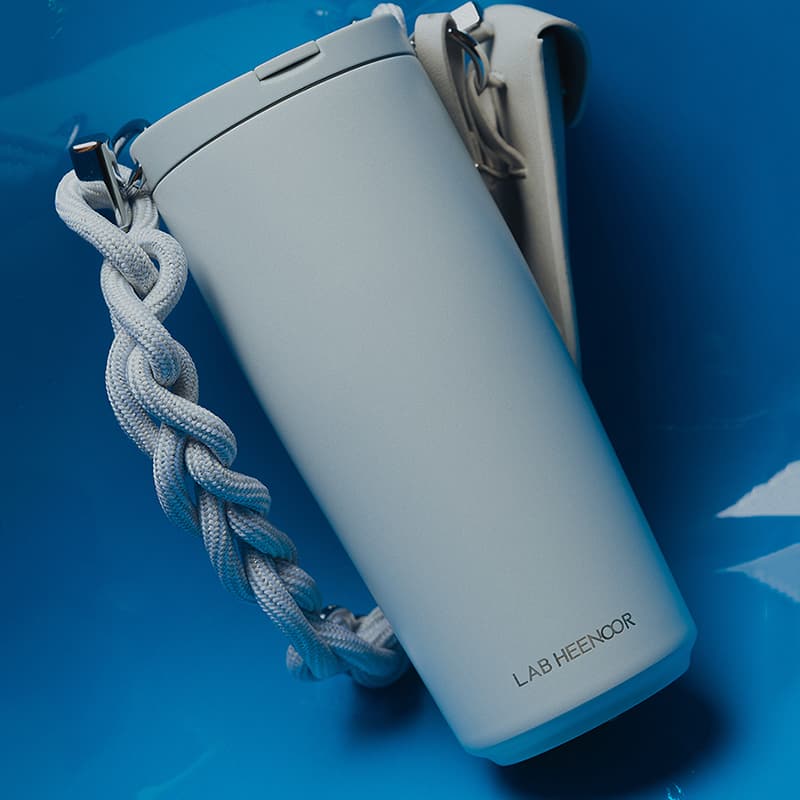 LAB Heenoor Painting Coffee Vacuum FlaskA 590ml flask with a 316L stainless interior, multi-layer leak-proof lid, and a writeable, washable paint surface, giving desk users ample capacity, easy cleaning, and a finish worth displaying.View Product →
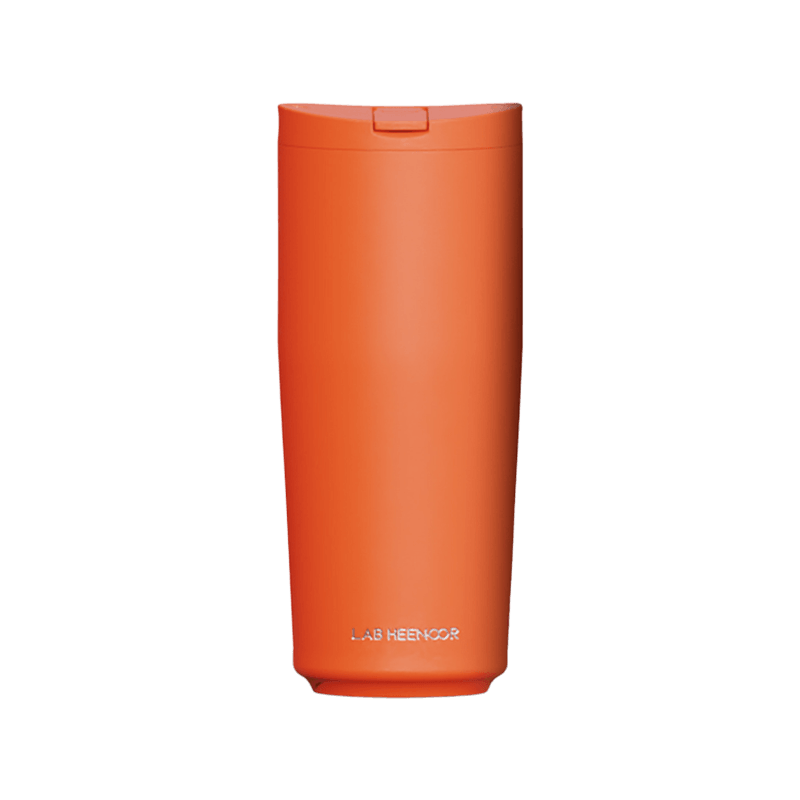
 HEENOOR Xinyao Series Portable Coffee TumblerWith 510ml capacity, a 316L stainless interior that resists coffee's acidity, and a one-push flip lid, this tumbler offers the durable, corrosion-resistant build suited to longer outings.View Product →
What Actually Makes a Coffee Vacuum Flask Hold Its Heat?
Content
Coffee poured at 7 a.m. drops below 55°C by mid-morning in an open ceramic cup, which is roughly the temperature where many people stop tasting much beyond bitterness. A coffee vacuum flask solves this with a simple piece of physics: a double-wall body with the air removed from the gap, which slows conduction and convection to a crawl and keeps black coffee above drinking temperature for 6 to 12 hours. The performance gap between a flask that delivers and one that disappoints rarely comes from marketing claims. It comes from lid design, vacuum quality, and whether the shape fits the way you actually drink. The sections below explain how the insulation works, which details move the retention numbers, and how to match a flask to commuting, office, and travel use.
How a Coffee Vacuum Flask Holds Temperature
The body of a vacuum flask consists of two walls, usually stainless steel for coffee models, welded at the rim with a near-total vacuum between them. Heat moves outward in three ways: conduction through solid material, convection through moving air, and radiation. The vacuum eliminates conduction and convection across the gap, and a thin copper or silver coating on the inner wall reflects a large share of radiant heat back toward the coffee. The concept dates to 1892, when physicist James Dewar sealed two glass walls together to store cryogenic liquids; modern drinkware applies the same principle in a durable, everyday format.
The lid is where heat actually escapes. It is solid, it contains rubber or silicone seals, and every opening swaps hot air for cold. This is why manufacturers quote retention figures with the lid closed, a typical quality flask holding water above 60°C at the six-hour mark, and why two flasks with nearly identical bodies can perform very differently once the closures differ.
What Actually Determines Heat Retention
Four practical factors matter more than any printed claim on the packaging:
- Lid construction: a screw-on lid has few seams and a long seal path, so it retains heat well. Flip-top and push-button lids trade a little retention for one-handed convenience.
- Opening diameter: a narrow neck loses heat slowly; a wide mouth fills and pours cleanly but bleeds temperature every time it sits open.
- Starting temperature: coffee brewed at 90-95°C carries far more stored heat than coffee poured in at 70°C. Preheating the flask with hot water for two minutes protects that advantage.
- Fill level: a full flask has less air space to circulate. Half-empty flasks cool noticeably faster than full ones.
The closure you pick should reflect where you drink, not just which number looks appealing on the box:
| Closure type | Heat retention | Best suited to | Practical trade-off |
|---|---|---|---|
| Screw-on lid | Strong, single continuous seal | Long holds, commuting, outdoor use | Needs two hands to open |
| Flip-top lid | Good | Office desks, quick sips between tasks | Hinge and gasket need periodic checks |
| Push-button spout | Moderate | Driving, one-handed sipping | More crevices to clean |
| Wide mouth with cup lid | Good when closed | Desk use, pouring into a cup | Loses heat quickly while open |
Matching the Flask to Your Routine
Commuting and driving
For anyone who drinks in the car or on the train, three specs matter: a base diameter around 70-75 mm so the flask sits securely in a cup holder, a leak-proof closure that survives lying on its side in a bag, and true one-handed operation. Dual-drink lids that switch between a straw and a direct sip spout have become popular for this reason, since one vessel covers both iced and hot orders without swapping lids.
Xinyao Series dual-drink coffee tumblerHEENOOR Xinyao Series Dual-drink Coffee TumblerThis 380ml handle tumbler pairs a straw and direct-sip dual lid with a sealing ring against leaks, suiting commuters who want one-handed operation and a vessel that sits securely in a cup holder.View Product →
Desk and office use
At a desk, retention still counts, but the priorities shift toward capacity, a stable base, and an opening wide enough to clean by hand. Handle-mug formats in the 400-500 ml range suit people who refill twice a day rather than carrying a large volume at once. The exterior finish also matters more in this setting, because the flask sits visibly on the desk next to a laptop rather than hiding in a bag.
LAB painting coffee vacuum flaskLAB Heenoor Painting Coffee Vacuum FlaskA 590ml flask with a 316L stainless interior, multi-layer leak-proof lid, and a writeable, washable paint surface, giving desk users ample capacity, easy cleaning, and a finish worth displaying.View Product →
Travel and light outdoor use
Longer outings call for 500 ml or more, a body that shrugs off knocks, and a lid that seals positively enough that you can hear and feel it close. Weight matters once the flask rides in a backpack for hours, which is where lighter titanium builds earn their premium. If you also need to pour for a group, the same insulation physics scales up to kettles, and this guide on how to choose a vacuum insulated kettle walks through capacity, pouring, and heat retention in detail.
portable coffee tumbler from the Xinyao SeriesHEENOOR Xinyao Series Portable Coffee TumblerWith 510ml capacity, a 316L stainless interior that resists coffee's acidity, and a one-push flip lid, this tumbler offers the durable, corrosion-resistant build suited to longer outings.View Product →Material Choices: Stainless Steel, Titanium, and Glass
Nearly all coffee vacuum flasks use food-grade 18/8 stainless steel, also known as 304 stainless. It handles coffee's mild acidity, which sits around pH 5, without picking up or transferring flavors, and it resists everyday dents. Some manufacturers offer 316 stainless, which adds molybdenum for extra corrosion resistance. That is a sensible upgrade for coastal regions or heavy-duty programs, though it is not strictly necessary for daily coffee.
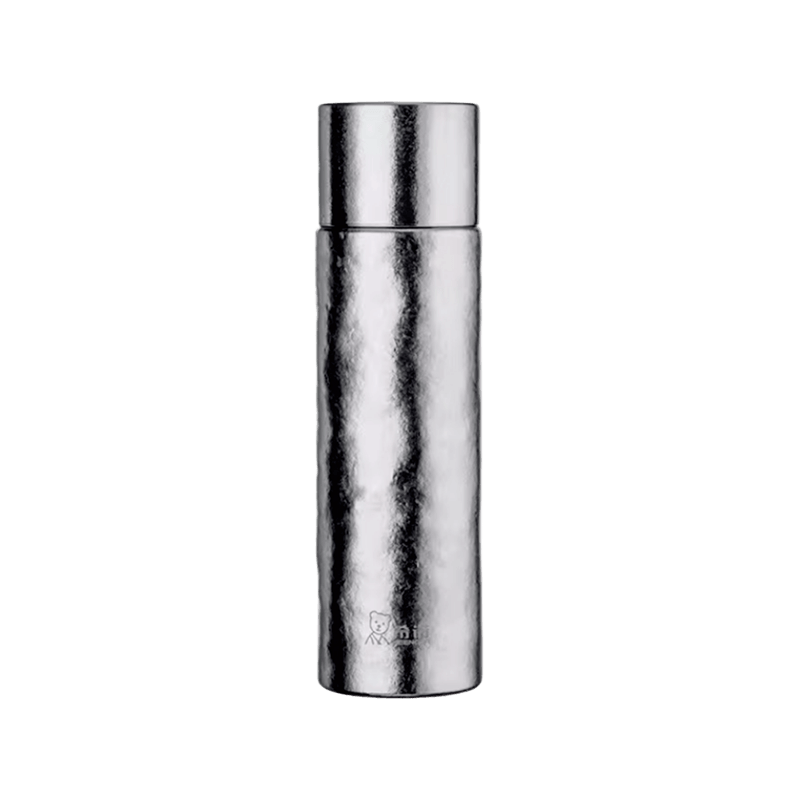
Titanium flasks weigh roughly 40% less than equivalent steel bodies while keeping comparable strength, and they transfer little to no metallic taste. The trade-off is price, which typically runs several times higher. Double-wall glass flasks preserve flavor well and let you see the fill level, but they break when dropped and weigh more, so they suit desk use rather than commuting. Whichever material you choose, treat it primarily as a container for black coffee: milk-based drinks should be emptied and rinsed within two to three hours, because dairy spoils quickly in a warm sealed space and its fats cling to interior walls.
Cleaning Habits That Protect Performance
Vacuum flasks fail more often from neglect than from manufacturing faults. Coffee oils build up invisibly, turn rancid, and eventually affect the taste of every brew, while a flattened or dried-out gasket quietly destroys the seal that retention depends on. A short routine prevents both problems:
- Rinse with warm water immediately after each use, and wash the lid and gasket separately.
- Once a week, add a teaspoon of baking soda, fill halfway with hot water, close the lid, and let it sit for an hour before rinsing thoroughly.
- Dry the flask with the lid off so trapped moisture cannot cause odor.
- Inspect the seal monthly and replace the gasket if it looks flattened or cracked, or ask the seller for a spare part.
Three things generally don't belong inside: dishwasher cycles unless the maker explicitly allows them, microwave heating on any metal body, and carbonated drinks, which build pressure against the seals. Filling to just below the threads with freshly boiled water also prevents scalding spurts when the lid closes.
What to Verify When Ordering in Bulk
For procurement teams and brand owners, coffee vacuum flasks are a category where sample-level quality and production-level quality can drift apart, so verification belongs in writing. Ask suppliers for retention test readings at 6 and 12 hours rather than a single marketing figure, confirm food-contact compliance documentation for the inner wall material, and specify cycle testing for lids with moving parts, since a flip-top hinge that survives 10,000 openings on a sample must survive the same on shipment 10,000. Finishing options carry commercial weight as well: powder coating, spray painting, and laser or printed logo work change both perceived value and quotation. Reviewing a custom stainless steel cup program early helps align surface treatment, logo process, and packaging before tooling begins, which avoids a costly kind of correction.
The right coffee vacuum flask is the one whose closure matches your hands, whose capacity matches your refills, and whose vacuum still holds at hour eight. Start with the lid, check the seal and inner-wall material next, and keep the cleaning routine simple enough that you actually follow it. The insulation will handle the rest.
You may also like…
Copyright © 2025 Heenoor Co., Ltd. All Rights Reserved.
 Custom Stainless Steel Drinkware Manufacturers
BACK TOP