 English
 中文简体
中文简体 日本語
日本語 Español
 عربى
عربى
Search
Categories
Recommend
Categories
 Company news
Recommend
-
 Industry news
 -
 Industry news
 -
 Industry news
 -
 Industry news
Sep 04, 2026 - By admin
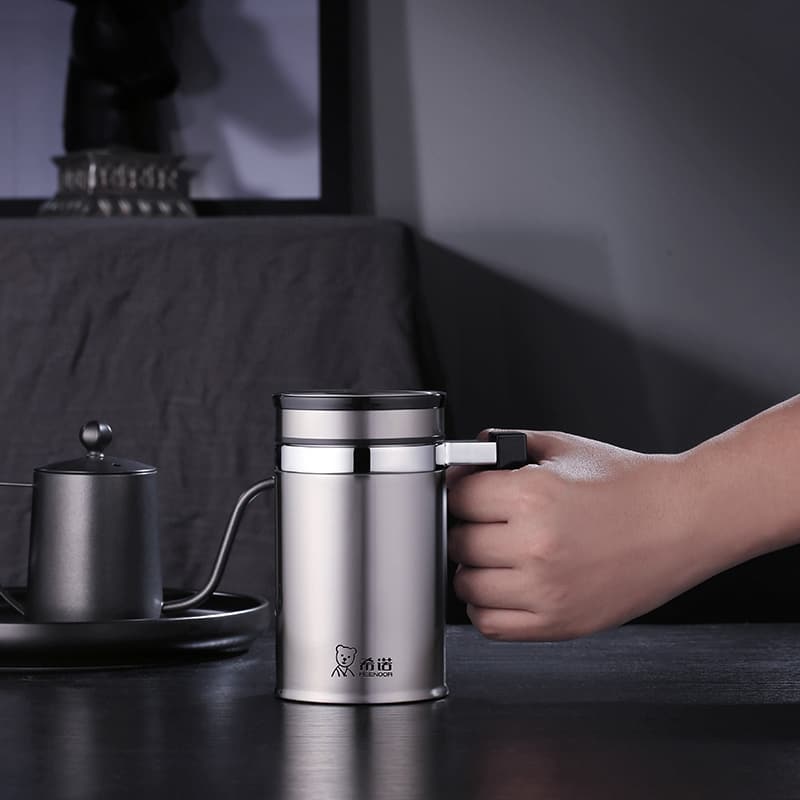
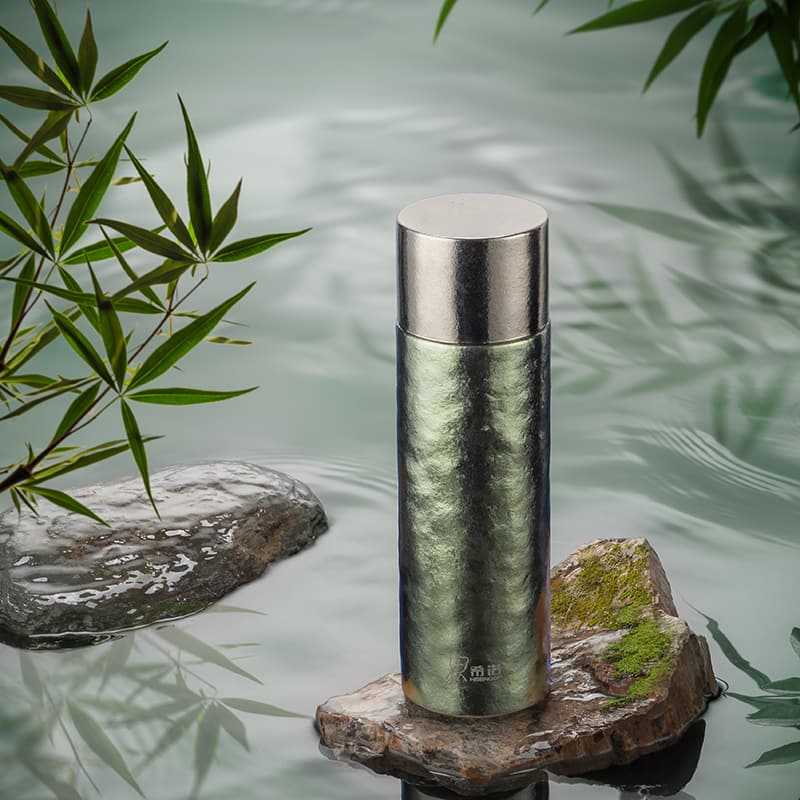
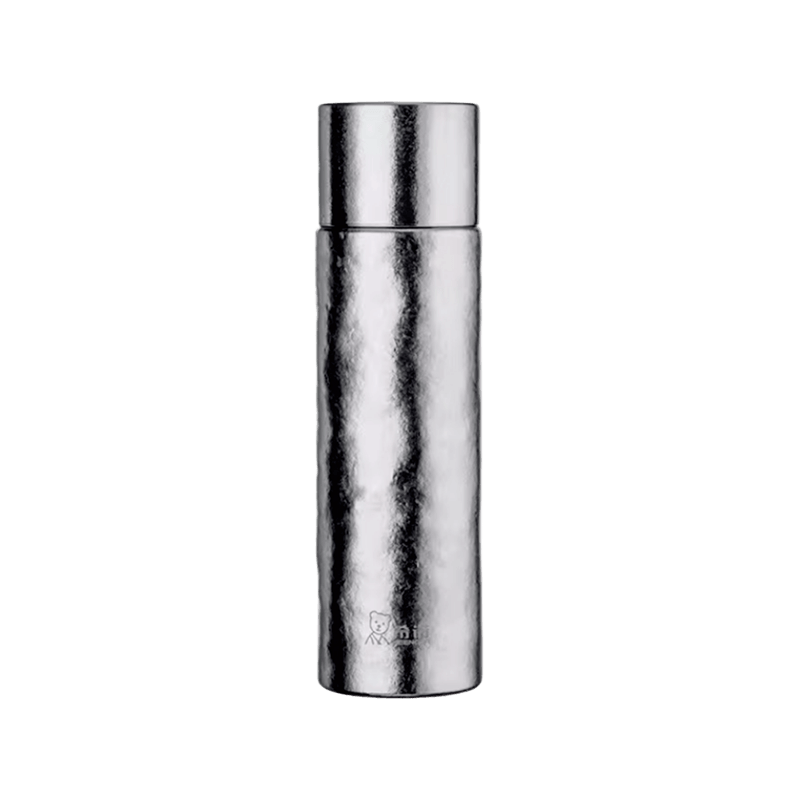
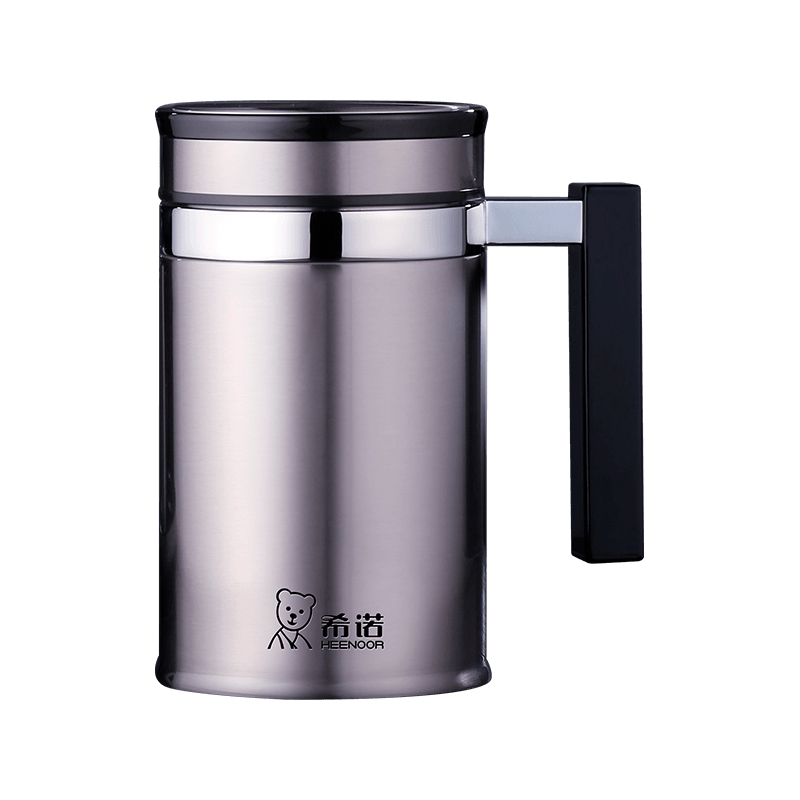
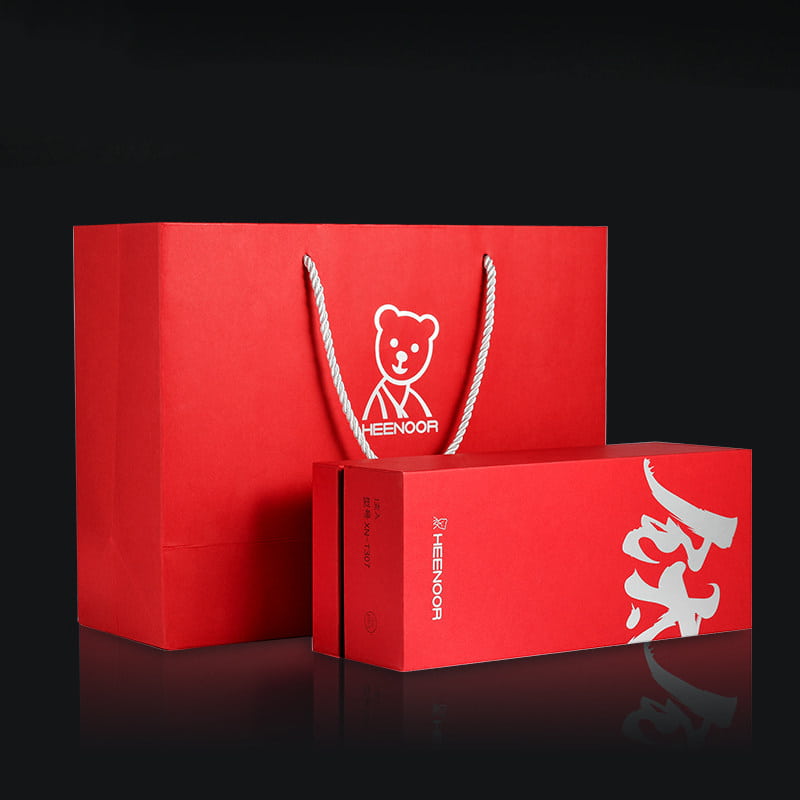 Heenoor Pure Titanium Business Vacuum FlaskMade with a pure titanium inner vessel, this flask offers tea-separation brewing in a personal size. It suits the dedicated titanium tea-flask format discussed here for clean-tasting brewed tea on the go.View Product →
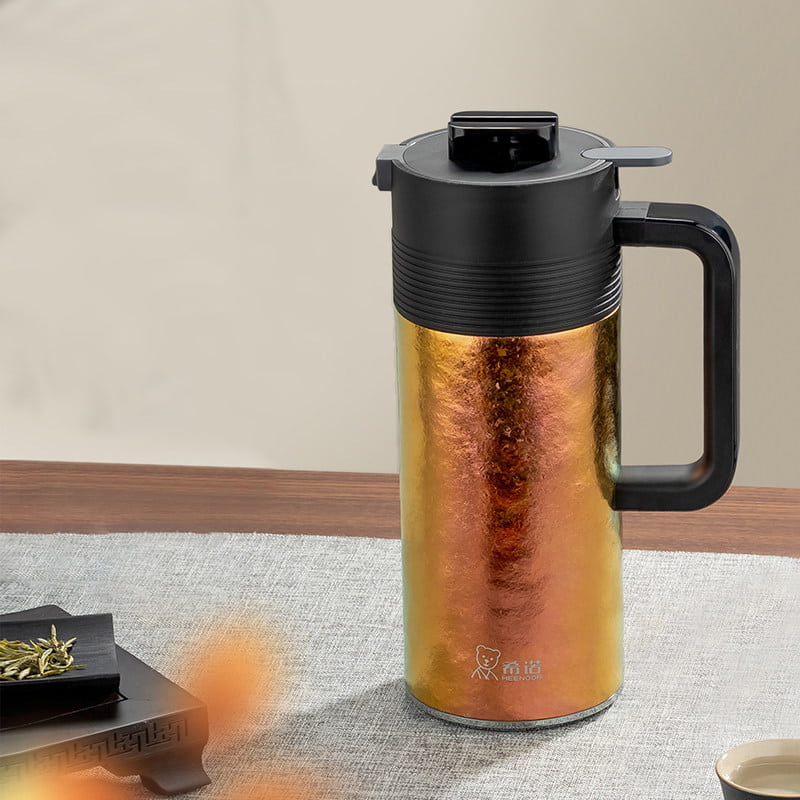
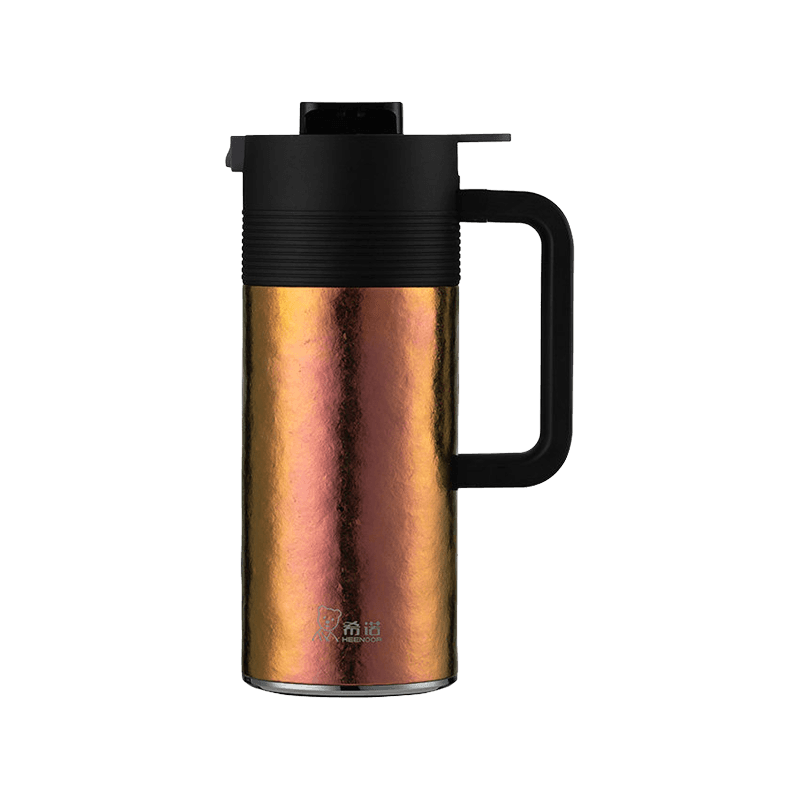
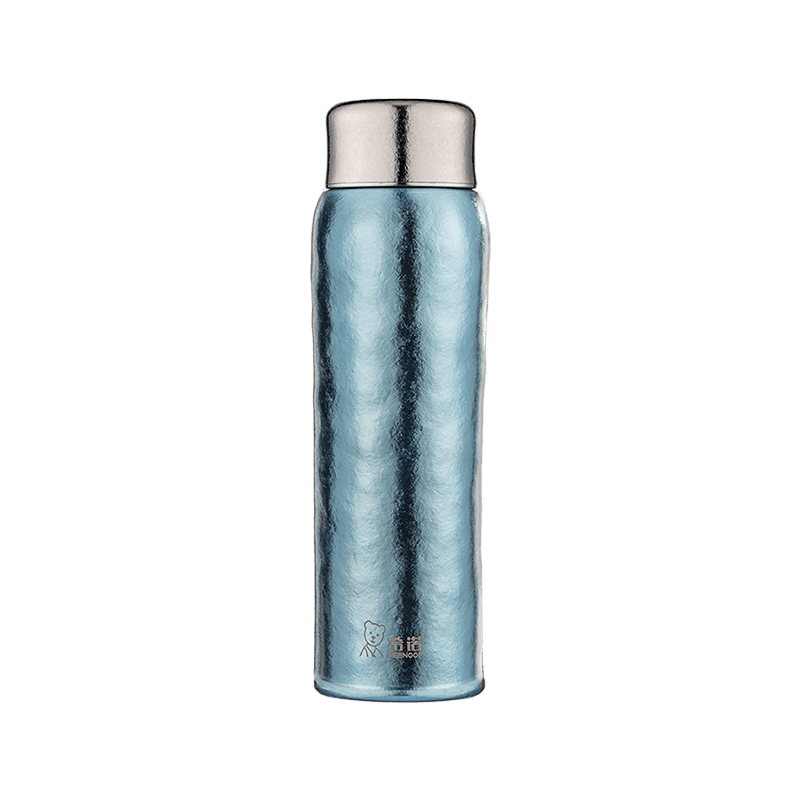
 Pure Titanium Magnetic Stewed Tea Vacuum FlaskBuilt for slow-stewed, longer-extraction teas like Pu-erh and aged white tea, this TA1 titanium flask has a magnetic sealed lid and lotus filter, letting leaves steep fully for a richer, smoother brew.View Product →
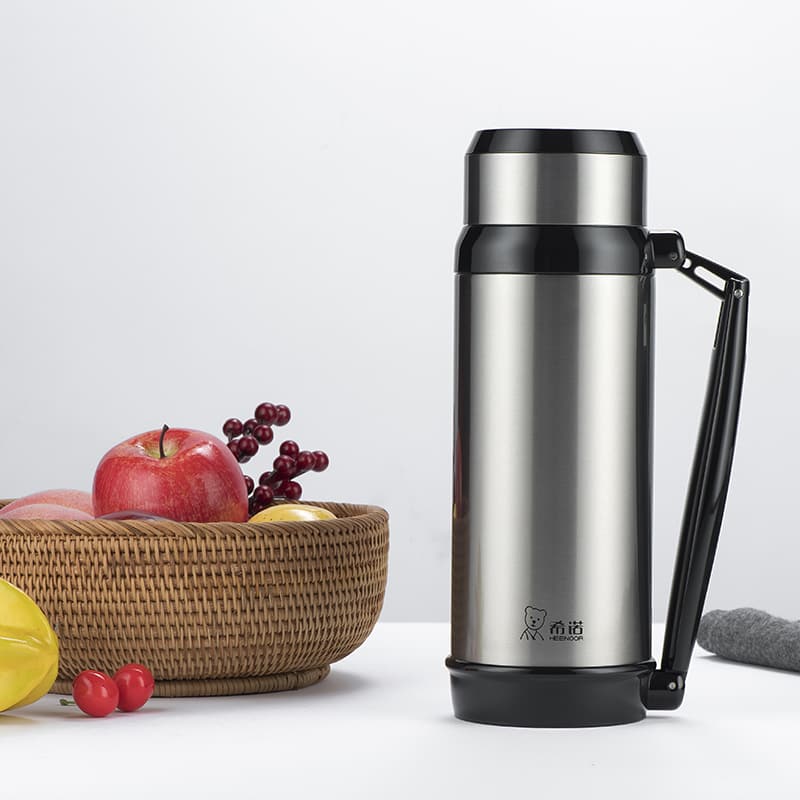
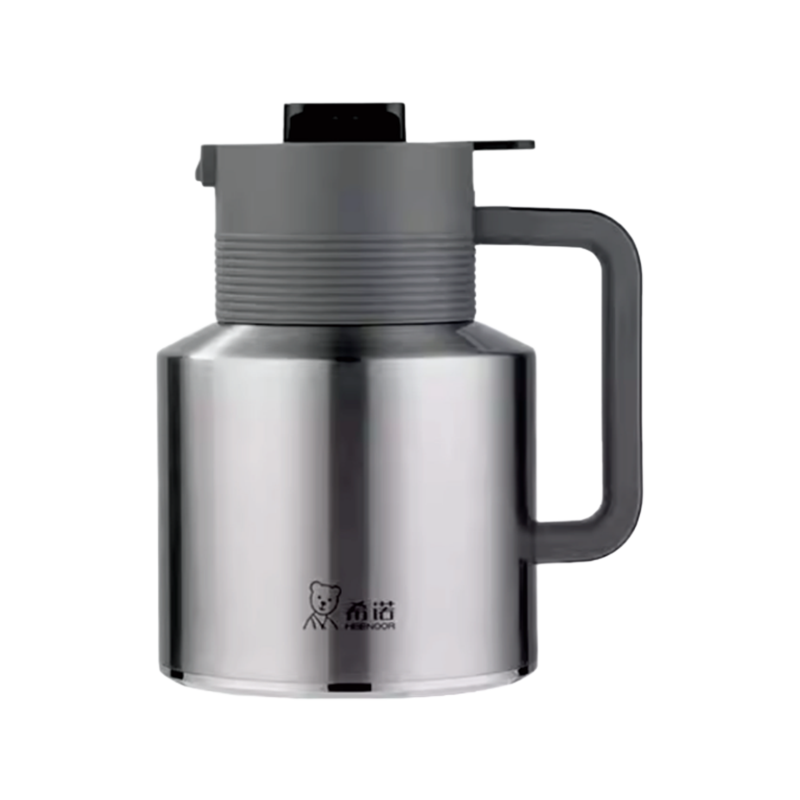
 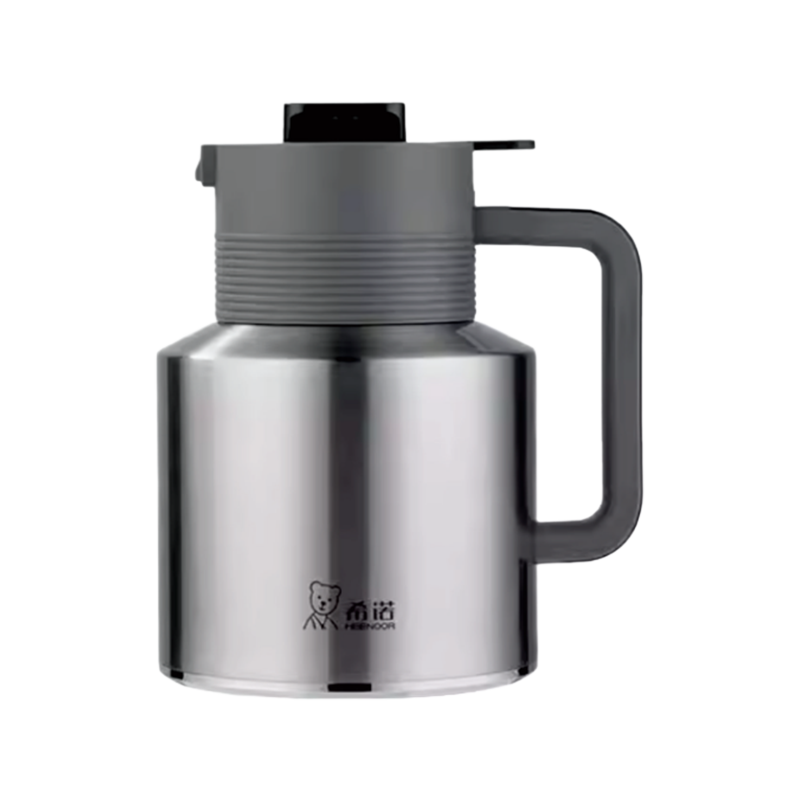 Stainless Steel Tea Water Separation Stewing TeakettleA 304 stainless steel vacuum kettle applying the same tea-water separation logic in a larger format. With one-touch dispensing and 1.1L or 1.6L capacities, it suits home and office brewing needs.View Product →
How Do You Choose a Vacuum Tea Flask Based on Insulation Performance, Materials, and Tea Separation Features?
Content
Tea leaves left in hot water never stop extracting. Brew a pot at seven in the morning, carry it in an ordinary insulated bottle, and by mid-morning the liquor has turned dark and bitter—over-extracted tannins, not lost heat, are the real culprit. A vacuum tea flask is built around that exact problem: it holds water at drinking temperature for hours through a vacuum-insulated double wall, while an infuser basket, mesh filter, or separated brewing chamber keeps the leaves out of the liquor until you want them together.
The short answer for anyone comparing models or specifying drinkware for a brand is that three factors decide real-world performance: insulation structure, inner-vessel material, and tea-separation design. Capacity, finish, and handle style are preference. The sections below explain how each factor works, where the trade-offs sit, and what to verify before a single purchase or a bulk order.
What a Vacuum Tea Flask Actually Is
A vacuum tea flask is a double-walled container with the air between its walls evacuated to a near-vacuum, a structure that descends directly from the Dewar flask originally built in the 1890s. The physics has not changed since: a vacuum conducts heat very poorly, so the remaining energy transfer happens almost entirely at the bridge points—the lid, the neck seam, and the base. In practice, a well-made flask keeps tea close to brewing temperature for roughly four to six hours and pleasantly warm beyond that, although exact figures depend on capacity, fill level, and ambient conditions.
Three construction details separate dependable flasks from disappointing ones:
- Inner-vessel material. Food-grade 304 or 316 stainless steel and commercially pure titanium dominate the category, because both can be formed, welded, and vacuum-sealed reliably at production scale.
- Vacuum integrity. Insulation is only as good as the seal around the evacuation point. A degraded vacuum announces itself as a body that feels warm to the touch, whereas a healthy flask's outer wall stays near room temperature.
- Radiation control. A copper or aluminized coating on the inner wall reflects radiant heat and measurably extends retention compared with an uncoated vacuum gap alone.
What separates a tea flask from a general-purpose vacuum bottle is not the insulation but the workflow it supports: steeping, separating, pouring, and in some designs slow stewing. That workflow is where products really differ.
Inner-Vessel Materials: Stainless Steel, Titanium, and Glass
Material choice shapes weight, flavor neutrality, corrosion resistance, and price more than any other single decision in this category. The three common options compare as follows:
| Material | Corrosion resistance | Weight | Flavor character | Typically Suited To |
|---|---|---|---|---|
| 304/316 stainless steel | High; 316 adds molybdenum for better chloride resistance | Moderate | Neutral for many drinkers; a faint metallic note can bother sensitive palates | Daily commuting, office, outdoor sports |
| Commercially pure titanium | Very good; shrugs off tea acids and mineral scale | Light relative to the other metal options | Clean and neutral | Frequent travelers, dedicated tea drinkers, gift programs |
| Borosilicate glass | Chemically inert | Heavier; breakable | High flavor clarity | Desk and home brewing |
Why Titanium Became a Popular Tea-Flask Material
Titanium has moved from a niche material to the center of tea-specific drinkware, and the reasons are practical rather than fashionable. Parts of equal strength weigh considerably less than steel, the metal does not corrode under daily contact with acidic tea, and it neither absorbs odors nor leaves a metallic taste—qualities that matter when the same oolong is brewed in the same vessel every day for months. Titanium also tolerates boiling water and repeated thermal shocks without the lining concerns that can apply to coated steel vessels.
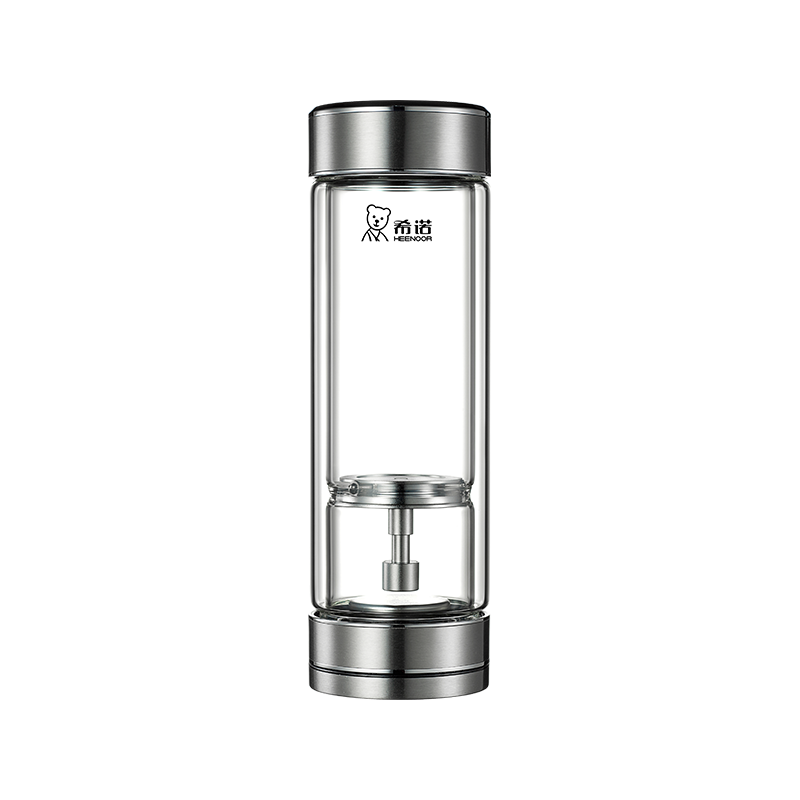
Glass keeps a loyal following for the opposite reasons. A double-wall antibacterial glass bottle shows the liquor color as it brews and delivers a very clean flavor, at the cost of weight and fragility, which is why glass designs cluster around office desks and kitchens rather than backpacks.
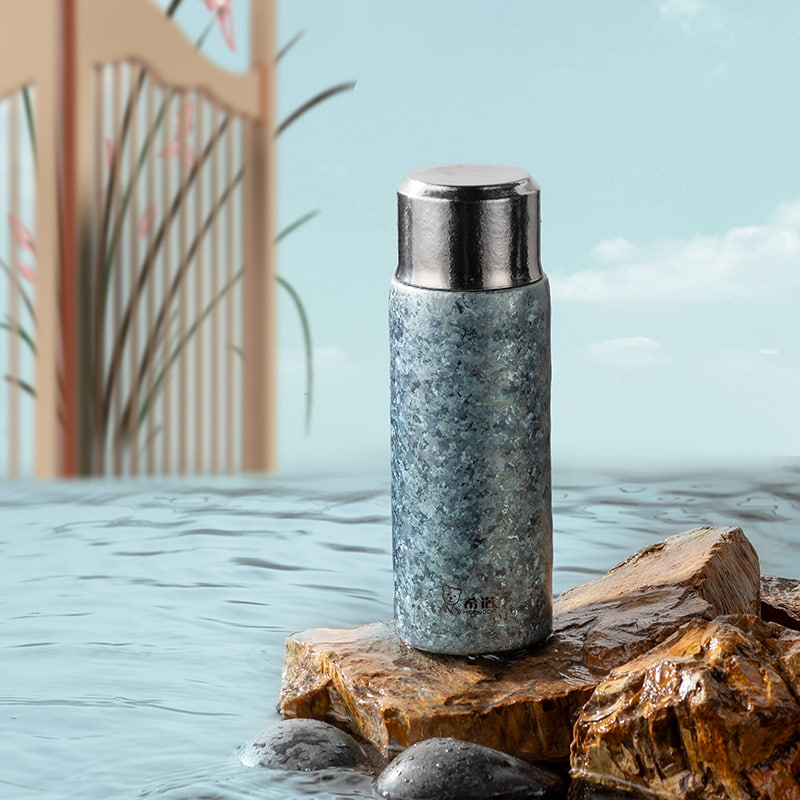
Heenoor's Tianmei pure titanium vacuum tea flask is a representative example of the dedicated titanium tea-flask format, combining a pure titanium inner vessel with tea-separation brewing in a personal-size flask.
Heenoor Pure Titanium Business Vacuum FlaskMade with a pure titanium inner vessel, this flask offers tea-separation brewing in a personal size. It suits the dedicated titanium tea-flask format discussed here for clean-tasting brewed tea on the go.View Product →Tea Separation: Infusers, Filter Chambers, and Stewing
How the leaves meet the water—and how they stop—is where tea flasks genuinely differ from one another. Three designs cover much of the market:
- Infuser basket. A removable perforated basket holds the leaves; lift it out and extraction stops. It is simple, forgiving, and a solid default for drinkers who rotate between tea types.
- Tea-water separation chamber. Brewing happens in a separate compartment or behind a valve-controlled pour, so the liquor leaves the leaves behind. These designs reward teas that need precise steeping times, such as delicate greens.
- Stewing construction. Leaves stay in deliberate, extended contact with water at moderate temperature, intended for dark teas, aged teas, and blends that improve with long extraction rather than degrade.
The trade-offs are worth stating plainly. A fine mesh suited to small-leaf tea will clog with large-leaf varieties; a stewing flask that flatters a dark puerh will ruin a first-flush green; and every separation mechanism adds gaskets and crevices that need regular cleaning. Matching the mechanism to the tea you actually drink matters more than the sophistication of the mechanism itself.
For drinkers who favor slow-stewed tea, the pure titanium magnetic stewed tea vacuum flask is built around that longer-extraction style, while the stainless steel tea-water separation stewing teakettle applies the same logic in a larger kettle format suited to home and office brewing.
Pure Titanium Magnetic Stewed Tea Vacuum FlaskBuilt for slow-stewed, longer-extraction teas like Pu-erh and aged white tea, this TA1 titanium flask has a magnetic sealed lid and lotus filter, letting leaves steep fully for a richer, smoother brew.View Product → Stainless Steel Tea Water Separation Stewing TeakettleA 304 stainless steel vacuum kettle applying the same tea-water separation logic in a larger format. With one-touch dispensing and 1.1L or 1.6L capacities, it suits home and office brewing needs.View Product →What to Check Before You Buy or Specify
Judging a tea flask on appearance is easy; judging it on performance takes a short checklist:
- Heat retention claims with test conditions. Ask at what fill temperature, ambient temperature, and hour count a retention figure was measured; an unqualified "keeps hot for 24 hours" should be treated as marketing until verified.
- Mouth diameter and cleaning access. A wide mouth, roughly 50 mm or more, allows leaf expansion and lets a brush reach the bottom; check whether the gasket groove traps residue.
- Seal quality. Food-grade silicone gaskets, removable for washing, with no chemical smell on initial opening.
- Infuser practicality. Confirm the mesh fineness suits your usual tea and that the basket can be removed safely when hot.
- Lid construction. The lid is the main thermal bridge; screw caps with an inner seal hold temperature better than flip-top designs and travel more securely.
- Verification for volume orders. Procurement teams can treat vacuum retention as a testable parameter: fill sample units with water around 95 degrees Celsius, log the temperature drop at six hours, and compare the result against the stated specification before approving production.
For a related comparison that covers larger vessels in more depth, the guide to choosing a vacuum insulated kettle applies the same inspection logic to kettles. Brands and organizations planning private-label programs should also confirm early which elements are customizable per SKU—logo application, lid color, and surface treatment are separately configurable options in Heenoor's custom stainless steel cup program.
Matching the Flask to How You Drink Tea
The right format follows the routine, not the reverse:
- Office desk: a wide-mouth double-wall glass bottle for flavor clarity, or an office-format titanium or stainless flask with a handle for durability under daily handling.
- Commuting and driving: car-cup proportions with a one-hand, leak-resistant lid; overall height matters if the flask has to fit a vehicle holder.
- Travel: lightweight pure titanium flasks cut carried weight and survive rough handling, and a compact travel kettle covers situations where hot water must be carried as well as retained.
- Gifting and tea rituals: titanium tea sets and boxed flask-and-pot gift sets suit festivals, corporate gifts, and formal tea occasions where presentation counts.
The practical takeaway is to decide the scenario early, then the material, then the separation mechanism. Reversing that order is how buyers end up with a beautiful flask that fits no part of their day.
A vacuum tea flask is mechanically simple but judged by unforgiving standards: hours of temperature, no leaks, no metallic taste, no stewed bitterness. Settle the material and the tea-separation mechanism early, verify retention claims against real test conditions, and the rest of the specification will fall into place. Whether the purchase is one flask for a desk or a drinkware program for a brand, the same three questions—how it insulates, what it is made of, and how it treats the leaves—answer much of what you need to know.
You may also like…
Copyright © 2025 Heenoor Co., Ltd. All Rights Reserved.
 Custom Stainless Steel Drinkware Manufacturers
BACK TOP