 English
 中文简体
中文简体 日本語
日本語 Español
 عربى
عربى
Search
Categories
Recommend
Categories
 Company news
Recommend
-
 Industry news
 -
 Industry news
 -
 Industry news
 -
 Industry news
Aug 21, 2026 - By admin
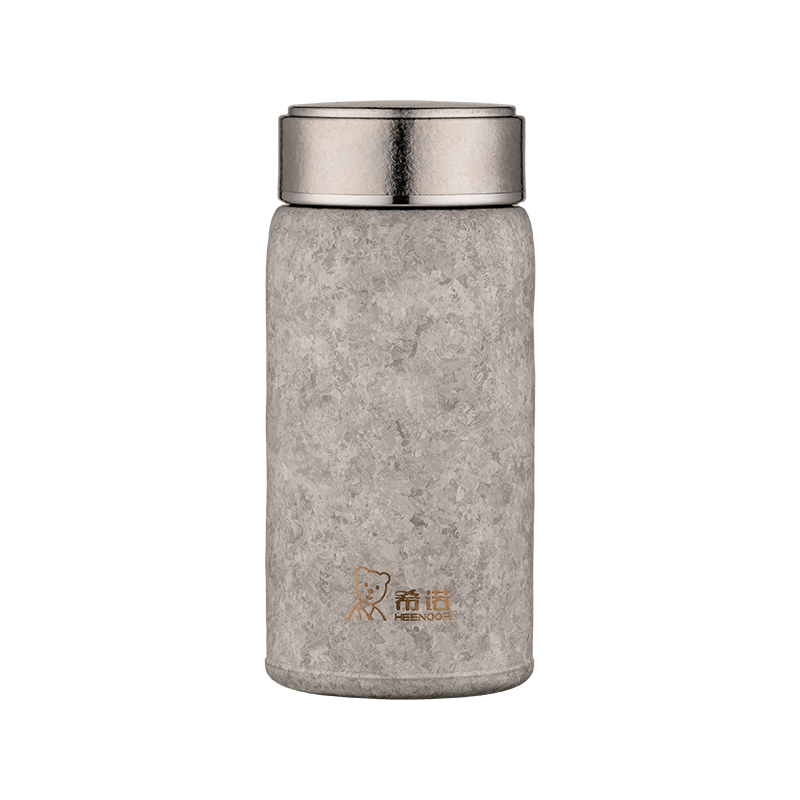
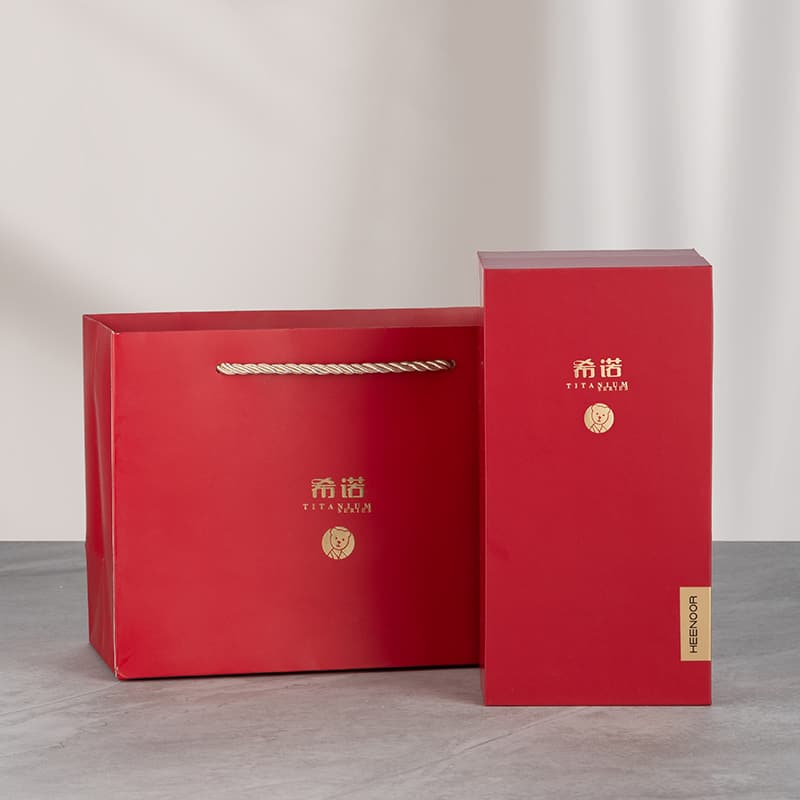 Pure Titanium Portable Vacuum FlaskMade from over 99% pure TA1 titanium, this lightweight flask resists acidic contents and is designed to minimize reaction with tea or coffee. At only 140–170g with vacuum insulation, it suits travelers counting every gram.View Product →
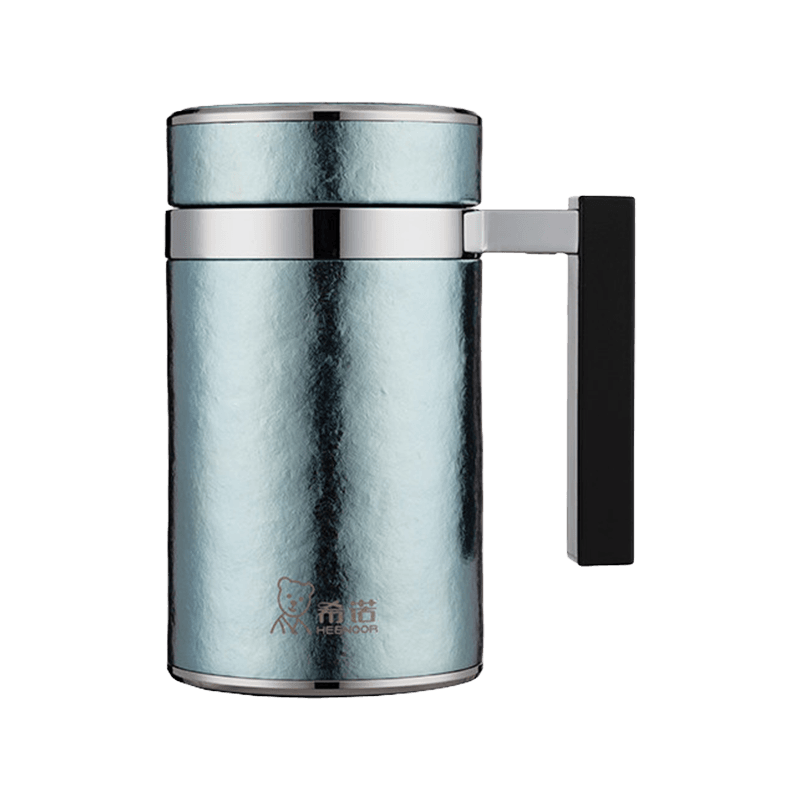
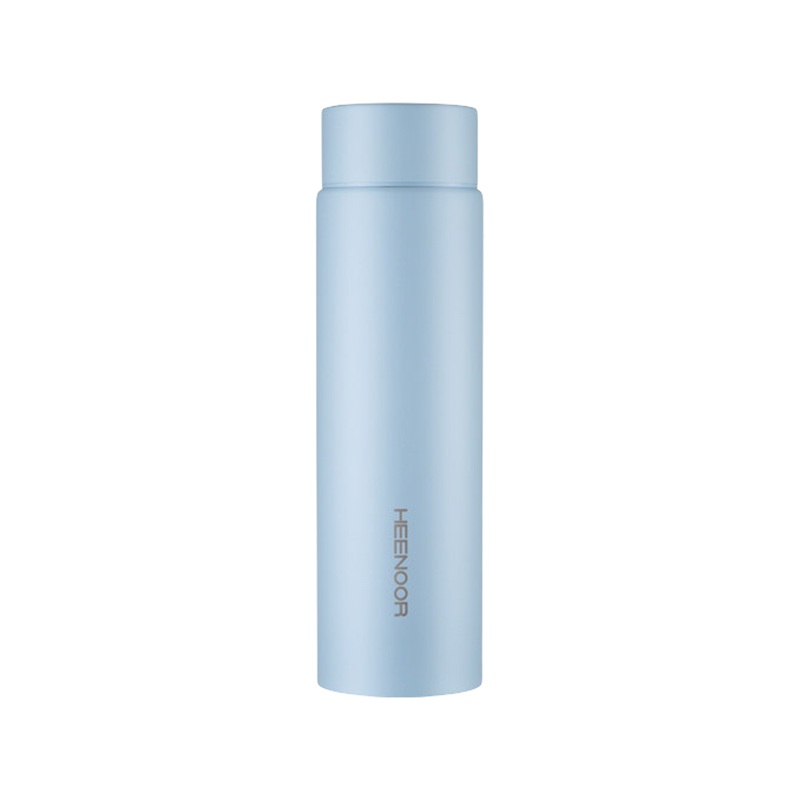 Business & Travel Stainless Steel Vacuum KettleThis 304 stainless steel kettle comes in 820–1500ml sizes with long heat retention and a one-push leak-proof lid, ideal for train journeys, hotel stays, and all-day business travel without refills.View Product →
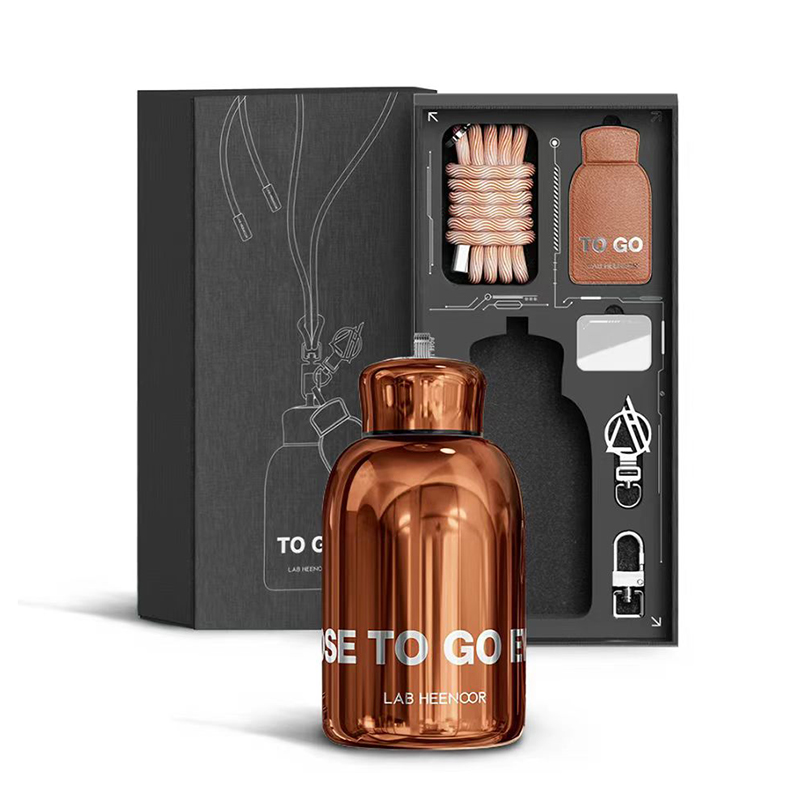
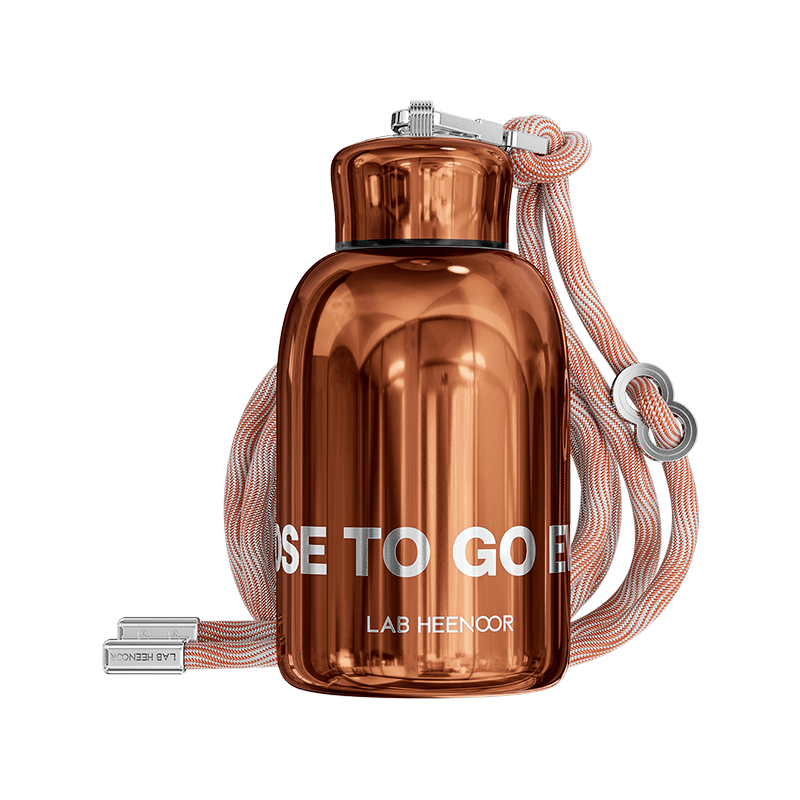
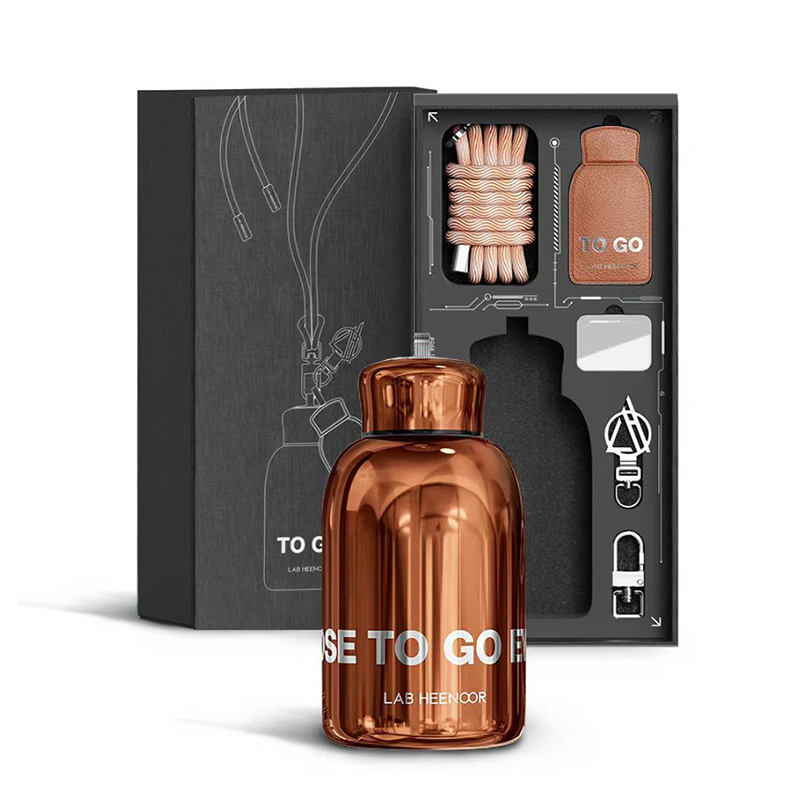 TOGO Portable Vacuum FlaskA 430ml, 238g flask in 316L stainless steel with double-wall vacuum insulation, antibacterial liner, and adjustable woven strap. Its slim, grab-and-go design fits cup holders and daily commutes.View Product →
Travel Vacuum Flask Buying Guide: Materials, Capacity, and What Actually Matters
Content
For a frequent traveler, the test of a vacuum flask is brutally simple: coffee poured at 6 a.m. should still be steaming hours later, and ice added at noon should still be rattling in the bottle by late afternoon. Flasks that pass that test share three traits — a continuous vacuum between double walls, a lid that genuinely seals, and a capacity matched to the trip. Flasks that fail usually fail at the lid, not the walls. This guide explains how vacuum insulation works in plain terms, which specifications deserve your attention before buying, and how to match a flask to business trips, road journeys, and outdoor routes.
How a Travel Vacuum Flask Holds Temperature
The science has barely changed since 1892, when the physicist James Dewar built a double-walled vessel with a vacuum in the gap to store liquefied gases. Every modern travel flask still fights the same three channels of heat transfer:
- Conduction — heat moving through solid material. The vacuum gap removes the air that would normally carry it, leaving only a narrow metal neck to bridge the inner and outer walls.
- Convection — heat carried by moving air or liquid. With almost no air between the walls, this path effectively disappears.
- Radiation — infrared energy radiating away from hot contents. A reflective plating, usually copper or silver, on the outer surface of the inner wall reflects a large share of it back.
The practical takeaway is that the walls do the bulk of the work while the lid is where the system breaks. The vacuum layer must be interrupted at the opening, so heat escapes fastest through the mouth, the threads, and any gasket that does not sit flush. A wide-mouth flask with a loose lid can shed more heat in one hour than its walls lose in ten. That is also why insulation claims should always be read alongside leak-proofing: the same opening that lets liquid out lets heat out.
The Specifications That Actually Matter
Conclusion first: verified heat-retention numbers, a lid that seals under real abuse, and an honest capacity-to-weight balance decide whether a flask earns a place in your bag. Everything else is styling.
Heat-Retention Figures
Trustworthy manufacturers publish retention in a testable format: 95°C water filled to the neck, sealed at room temperature, holding at or above roughly 65°C after six hours. Treat vague claims such as staying hot all day with skepticism unless the number and the test condition are stated. Your own habits matter just as much — underfilling leaves an air pocket that steals heat from the top, and every time you open the lid you trade the thermal mass of hot liquid for a lungful of cool air.
Leak-Proofing and Lid Style
Travel is hostile to containers. Overhead bins get slammed, cars brake hard, cabin pressure changes in flight. Look for a food-grade silicone gasket, threads that seat firmly without crossing, and either a locking lid or a two-step opening action. Then match the mechanism to the trip: cup-style lids that double as a drinking cup suit road trips, one-hand flip lids suit drivers, and a screw cap with a pour-through rim suits hikers who share from the same flask. If a listing never mentions leak testing, assume it will leak.
Capacity and Weight
Capacity is a trade between how much you drink and how much dead weight you are willing to carry. As a working reference for stainless steel construction:
| Capacity | Suited To | Approx. Filled Weight |
|---|---|---|
| 300–350 ml | Commuting and espresso-size coffee runs | 300–400 g |
| 500 ml | Day trips, office desk, standard carry-on | 450–600 g |
| 750–800 ml | Full-day hikes, road trips, sharing between two | 650–850 g |
| 1 L and above | Winter use, group travel, base camps | 900–1,200 g |
Material Choice
Many travel flasks use 18/8 (304) stainless steel, which balances cost, durability, and corrosion resistance for everyday drinks. 316-grade steel adds molybdenum and better resists acidic or salty contents — worth considering if you carry tea or citrus water, or use the flask near the coast. Titanium sits at the premium end: roughly 40% lighter than steel for equivalent strength, highly resistant to corrosion, and largely free of the faint metallic note some tasters detect in steel. For travelers who count grams, a pure titanium portable vacuum flask is often a highly effective item to lighten without shrinking capacity.
Pure titanium portable vacuum flask for weight-conscious travelersPure Titanium Portable Vacuum FlaskMade from over 99% pure TA1 titanium, this lightweight flask resists acidic contents and is designed to minimize reaction with tea or coffee. At only 140–170g with vacuum insulation, it suits travelers counting every gram.View Product →Matching the Flask to the Way You Travel
Business trips reward discretion and versatility. A flask in the 400–500 ml range with a matte finish slips between laptop and documents, and a model that pours into its own cup lets you offer a colleague tea without hunting for a mug. A dedicated business travel vacuum kettle goes one step further by combining a wider body for volume with a cup-style lid, which suits train journeys and hotel rooms where in-room kettles are unreliable.
Business travel stainless steel vacuum kettle with a cup-style lidBusiness & Travel Stainless Steel Vacuum KettleThis 304 stainless steel kettle comes in 820–1500ml sizes with long heat retention and a one-push leak-proof lid, ideal for train journeys, hotel stays, and all-day business travel without refills.View Product →
Road trips shift the priorities toward one-hand operation and cup-holder fit. A slim body with a base diameter under roughly 75 mm sits in many holders, and a flip or magnetic lid lets the driver drink without unscrewing anything at highway speed. For commuters and day travelers who want that same grab-and-go behavior in a compact format, the Togo portable vacuum flask follows exactly this logic — narrow, cup-holder friendly, and sized for a single generous serving.
Togo portable vacuum flask for cup holders and commutesTOGO Portable Vacuum FlaskA 430ml, 238g flask in 316L stainless steel with double-wall vacuum insulation, antibacterial liner, and adjustable woven strap. Its slim, grab-and-go design fits cup holders and daily commutes.View Product →
Outdoor routes change the math again. Rough terrain punishes thin bases and fiddly mechanisms, cold weather punishes small capacities, and a flask you can pour from into a shared cup earns its extra weight. Wider diameters, reinforced bases, and a lid that opens with gloves on matter more here than any single polished spec. If your travel mixes trail and hotel, some travelers carry one compact flask for the move and one larger kettle-style vessel for camp — the redundancy sounds excessive until a sub-zero night arrives.
Care Habits That Protect the Vacuum
Vacuum insulation itself does not wear out quickly, but the parts around it can. A few habits keep a travel flask performing for years:
- Hand-wash unless the manufacturer explicitly rates the flask dishwasher-safe; sustained dishwasher heat and harsh detergent attack gaskets and exterior coatings.
- Clean weekly with warm water and a teaspoon of baking soda; a long soak removes coffee oils that no quick rinse will.
- Inspect the silicone gasket every few months and replace it the moment it flattens or cracks — it is both the seal and one of the lowest-cost parts of the flask.
- Keep dairy and sugary drinks in the flask for hours, not days; warm milk sealed in an insulated vessel is a pressure and hygiene problem, not just a smell one.
- Avoid drops onto the lid. A dented thread or skewed gasket quietly turns a leak-proof flask into a bag-soaker.
For Brands and Bulk Buyers
The same criteria scale up when you are specifying travel flasks for a brand, a corporate gift program, or a retail line. Vacuum quality is determined at the welding and evacuation stage of manufacturing, which is why it pays to work with a maker that keeps design, engineering validation, and tooling in-house — inspection at the end of the line cannot rescue a wall that was never properly evacuated. If your program also covers larger pour-and-serve formats, this comprehensive guide to choosing a vacuum insulated kettle walks through kettle-specific criteria in depth. And for teams building a branded line, custom stainless steel cup and flask programs let you control finish, logo application, and lid variants without touching the underlying vacuum architecture.
A Practical Checklist Before You Commit
Buy on published retention numbers, not slogans. Open and close the lid ten times in the store and judge the seating for yourself. Fill it at home and confirm the outside of the base stays neutral to the touch. Match capacity to the longest leg of your typical trip, not the average one. Pay for titanium only if you regularly count grams. Do those five things and the flask you buy will still be quietly doing its job long after the trip that justified the purchase is a set of photos.
You may also like…
Copyright © 2025 Heenoor Co., Ltd. All Rights Reserved.
 Custom Stainless Steel Drinkware Manufacturers
BACK TOP