Thermal Conductivity and Field Performance: Reading Titanium Tableware Through Two Practical Lenses
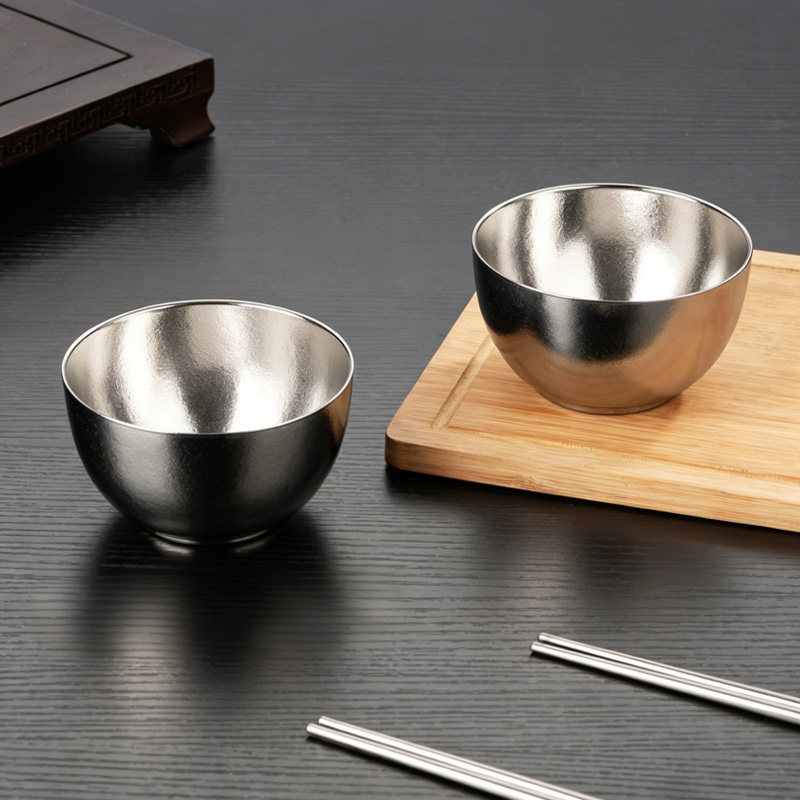
A camper pouring hot soup into a Pure Titanium Bowl will feel the rim heat up within seconds — something that rarely happens with a stainless steel equivalent of similar wall thickness. This isn't a flaw so much as a direct consequence of titanium's atomic structure, and it shapes nearly every design decision that goes into titanium tableware, from rim geometry to where a handle gets attached. The same low conductivity that makes the rim run hot is also part of why titanium performs the way it does once it leaves the kitchen and goes into a backpack.
Why Low Thermal Conductivity Changes Rim and Handle Design
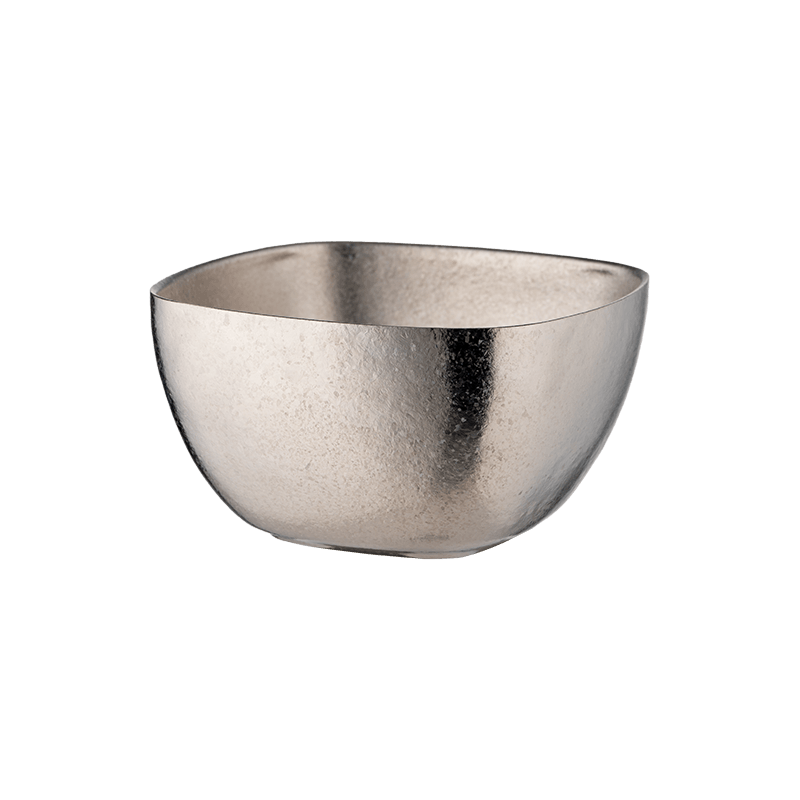
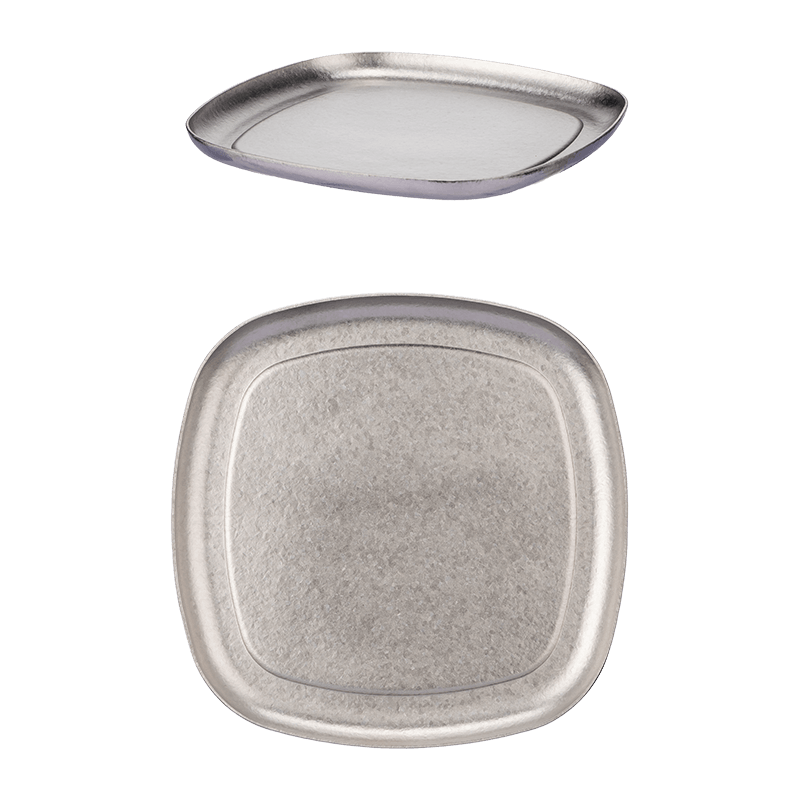
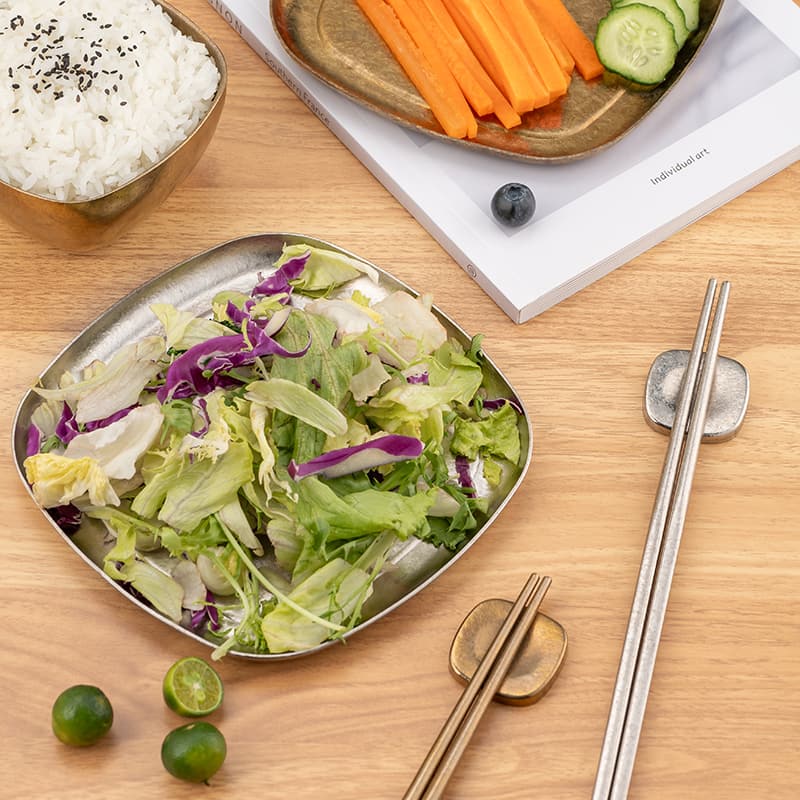
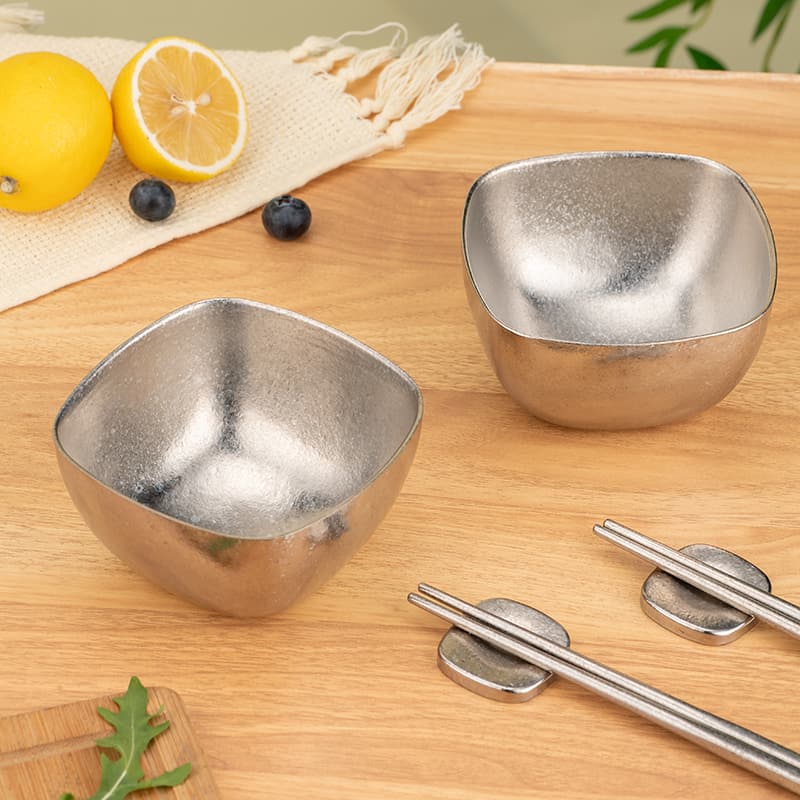
Titanium's thermal conductivity sits around 17 W/m·K, compared to roughly 16 W/m·K for standard 304 stainless steel — close enough that the two often get lumped together, but the practical difference shows up in wall thickness and geometry rather than the raw number. Items like a Pure Titanium Home Dining Plate or a Pure Titanium Bowl are typically formed thinner than stainless equivalents, sometimes down to 0.3–0.4mm, partly to reduce weight and partly because thinner walls transfer heat to the rim faster than a thick wall would. That faster heat transfer at a thin gauge is what makes an unprotected titanium rim uncomfortable to touch soon after serving something hot.
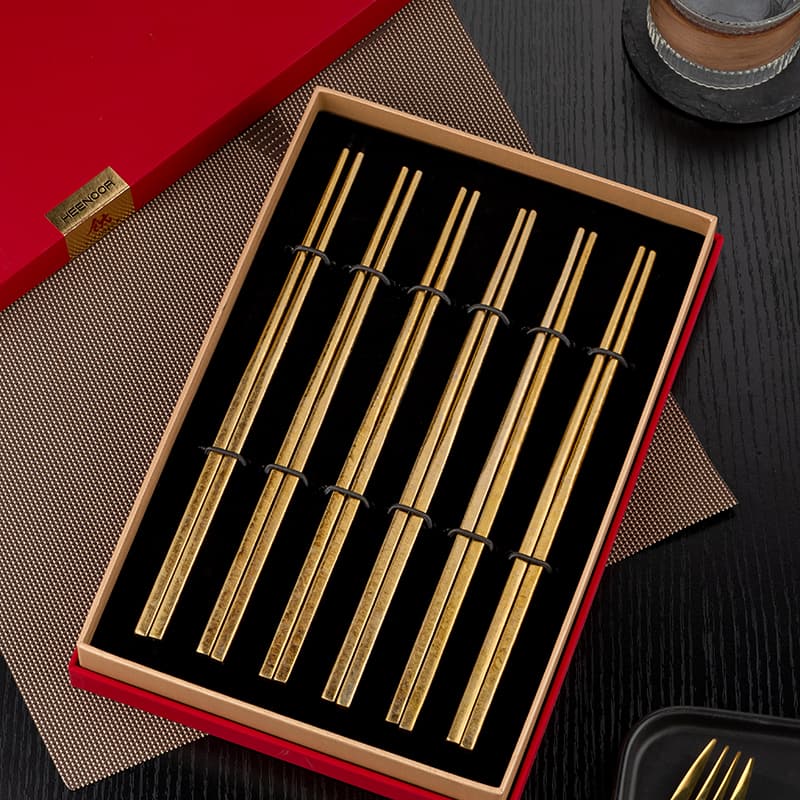
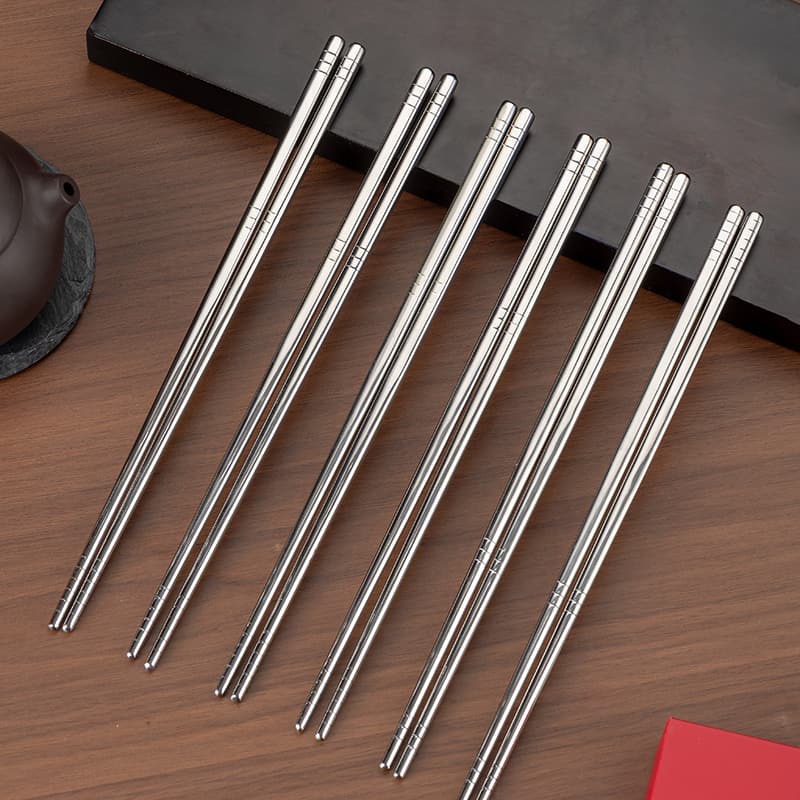
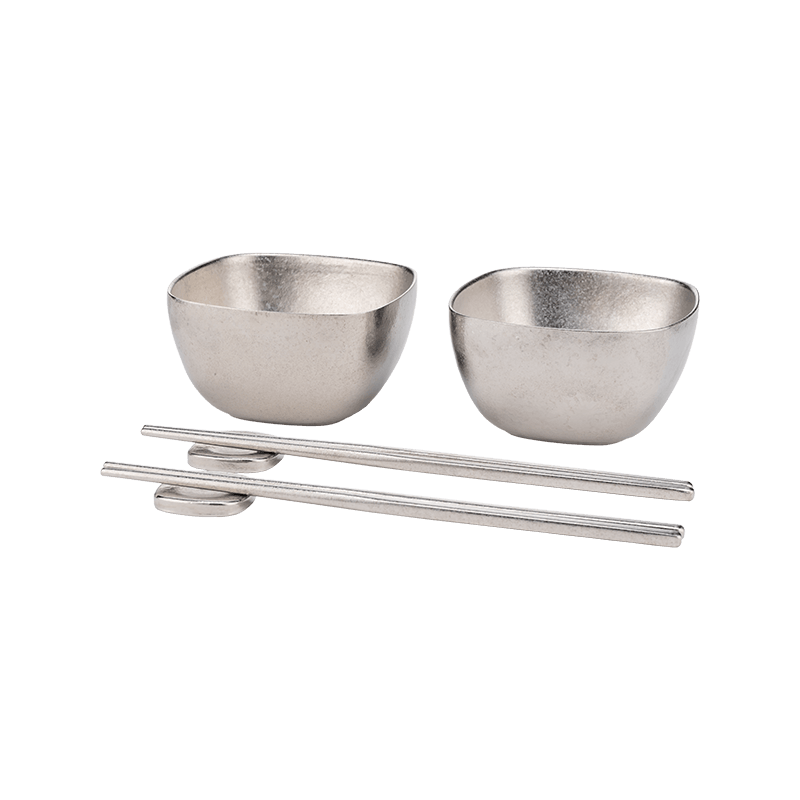
The common fix isn't changing the alloy but changing the geometry near the contact points. A rolled or double-folded rim edge increases the local material thickness right where lips or fingers make contact, slowing heat arrival at that specific spot without adding weight across the whole vessel. A Pure Titanium Antibacterial Chopstick Set faces a related but different challenge — heat doesn't travel through the length of a chopstick the way it does through a bowl wall, so the design focus shifts instead to surface treatment for the antibacterial coating, which needs to bond evenly without altering the grip texture at the tip.
Getting rim geometry wrong tends to surface during field use rather than in a factory test — a bowl that feels fine when handled briefly during QC can still run too hot at the rim after a full minute of holding soup, which is why some production teams extend hold-time testing beyond the standard short-duration check.
| Design Element |
Standard Approach |
Purpose |
| Rim edge |
Rolled or double-folded profile |
Adds local thickness to slow heat transfer at contact point |
| Handle or grip zone |
Welded, riveted, or textured rather than a bare flat surface |
Breaks or reduces direct heat path to the hand |
| Wall thickness |
0.3 – 0.5mm depending on item type |
Balances weight reduction against heat retention needs |
Where Titanium Actually Separates From Stainless Steel Outdoors
Weight is the most cited advantage, and it's a real one — titanium's density is roughly 4.5 g/cm³ against stainless steel's 7.9 g/cm³, meaning a titanium item of comparable strength can weigh close to half as much. For a full camping mess set built around a Pure Titanium Bowl and a Pure Titanium Antibacterial Chopstick Set, this difference compounds across the whole kit rather than showing up in a single item, which matters more the longer a trip runs.
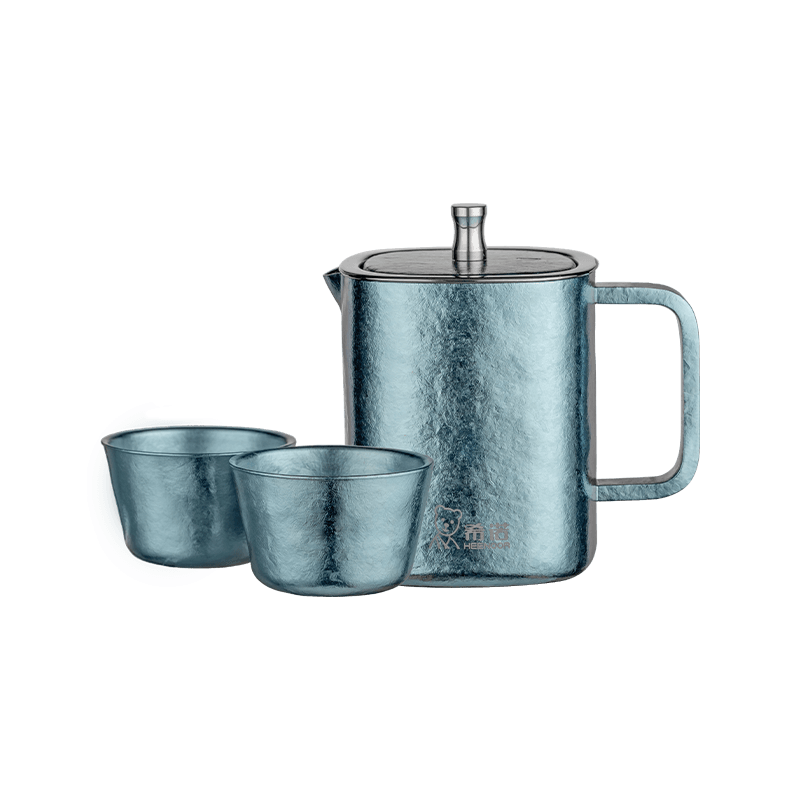
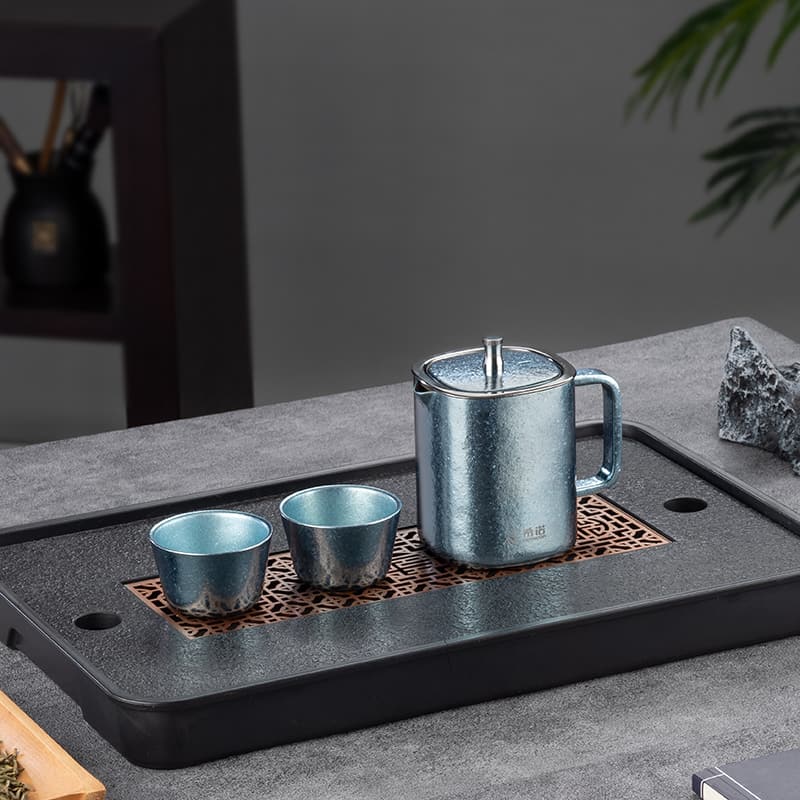
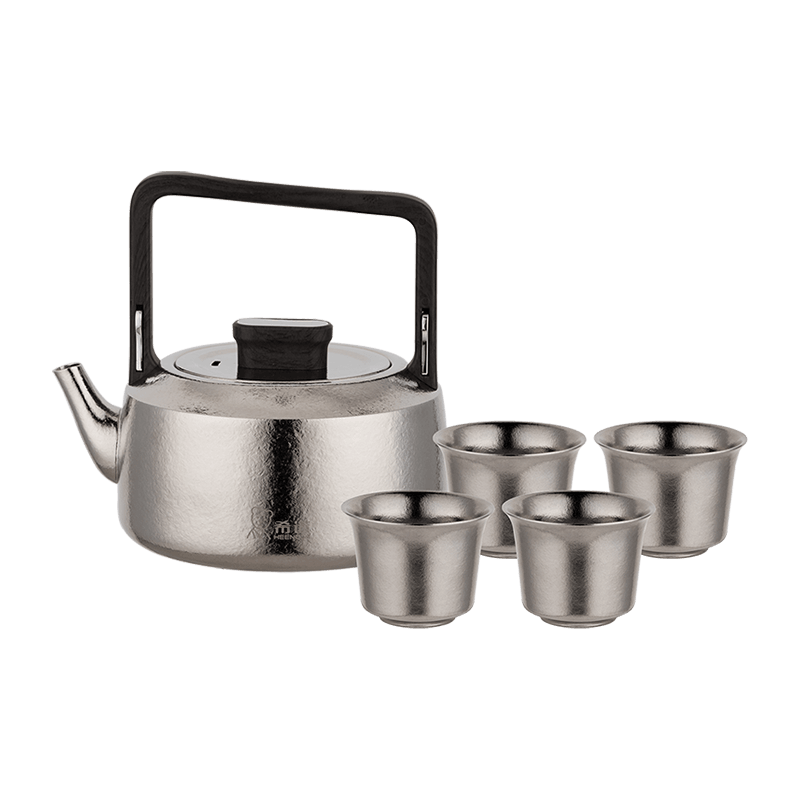
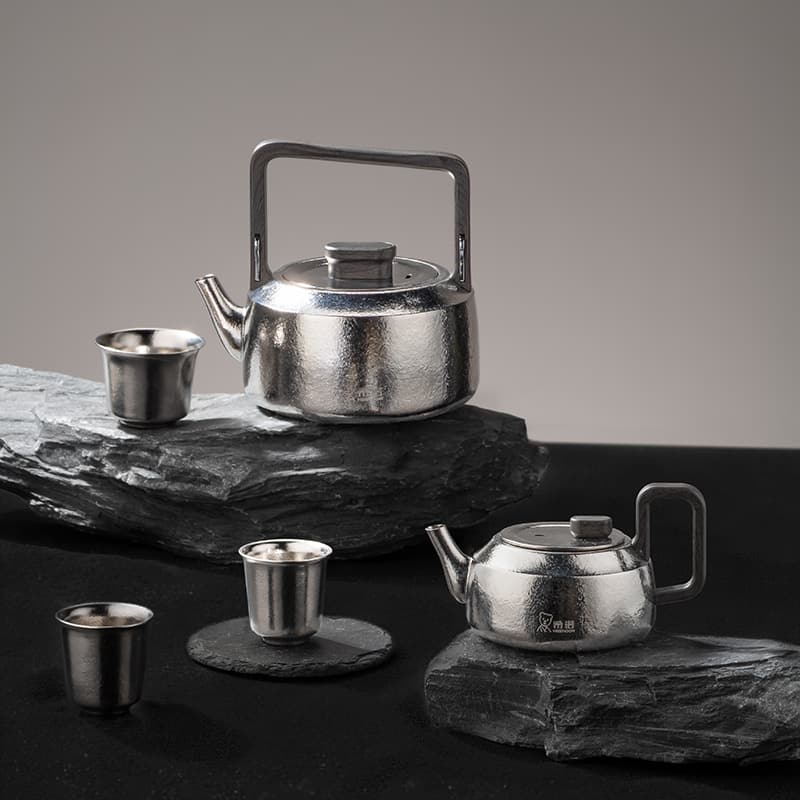
Corrosion behavior is the less-discussed advantage. Titanium forms a stable oxide layer on its surface almost immediately on exposure to air, and this layer regenerates itself if scratched, which is part of why titanium tableware holds up better than stainless steel when exposed to salt air, acidic camp food, or irregular washing routines common on multi-day trips. The same property carries over into more traditional use cases — a Pure Titanium Kung Fu Tea Set or a Pure Titanium Qiankun Teapot Tea Set used daily with tea residue and frequent rinsing benefits from the same self-regenerating surface, since tea tannins are mildly acidic and can gradually dull a less resistant metal surface over years of use.
There's also a practical field durability point that doesn't get as much attention as weight: titanium's fatigue resistance under repeated flexing and impact tends to hold up over years of being tossed into a pack, dropped on rock, and stacked with other cookware, without developing the small dents that accumulate on thinner stainless steel over similar use.
| Property |
Titanium Tableware |
Stainless Steel Tableware |
| Density |
~4.5 g/cm³ |
~7.9 g/cm³ |
| Corrosion behavior |
Self-regenerating oxide layer, resists tannin and acid exposure |
Relies on intact chromium oxide layer, more scratch-sensitive |
| Typical use case fit |
Backpacking gear, daily tea sets, weight-sensitive product lines |
Home use, daily kitchen and dining settings |
How These Two Factors Shape Production Decisions
None of this makes titanium a universal upgrade over stainless steel — for a tableware program aimed at general home use, where rim heating and pack weight aren't priorities, stainless steel remains a workable and often more cost-efficient choice. The decision becomes more relevant once the end use shifts toward outdoor gear, or toward premium daily-use categories such as a Pure Titanium Home Dining Plate or a Pure Titanium Qiankun Teapot Tea Set, where the material's weight and corrosion behavior directly address the conditions the product will actually face over years of repeated use.
Heenoor Co., Ltd. treats thermal behavior at contact points and long-term surface durability as connected design inputs rather than separate specifications, since a titanium tableware item that scores well on weight but overlooks rim or grip geometry ends up with a usability complaint that a spec sheet alone wouldn't predict. Production planning across items as different as a Pure Titanium Kung Fu Tea Set and a Pure Titanium Antibacterial Chopstick Set also has to account for titanium's higher forming resistance compared to stainless steel, since achieving the thinner wall sections and fine detailing that make these product lines viable in the first place requires tooling and forming pressure calibrated specifically for titanium's mechanical response.

 English
 中文简体
中文简体 日本語
日本語 Español
 عربى
عربى Vacuum Flask/Water Bottle