 English
 中文简体
 日本語
 Español
 عربى

Search
Categories
Recommend
Categories
 Company news
Recommend
-
 Industry news
-
 Industry news
-
 Industry news
-
 Industry news
Oct 23, 2026 - By admin
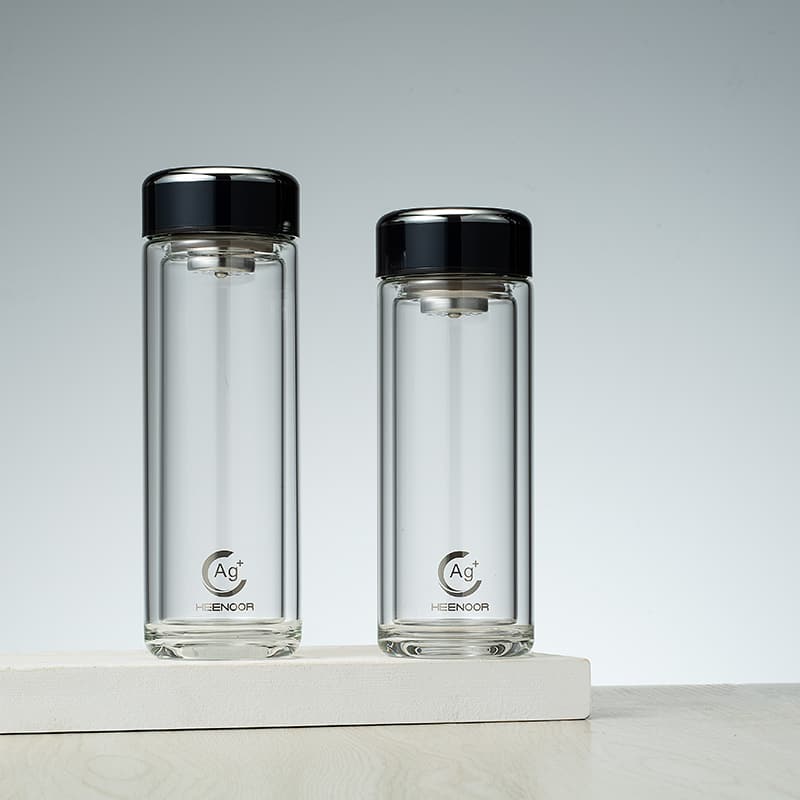 Double-Layer Antibacterial Glass Bottle with Stainless Steel LinerA double-walled glass bottle with vacuum heat blocking, 304 stainless steel liner, silver-ion antibacterial coating, and lotus-shaped filter for office tea.View Product →
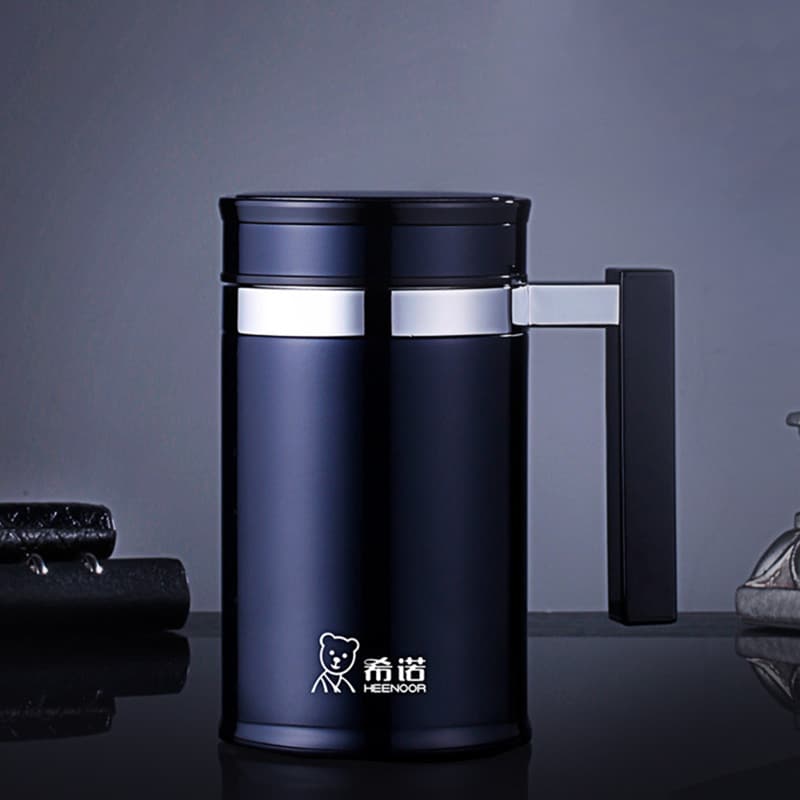
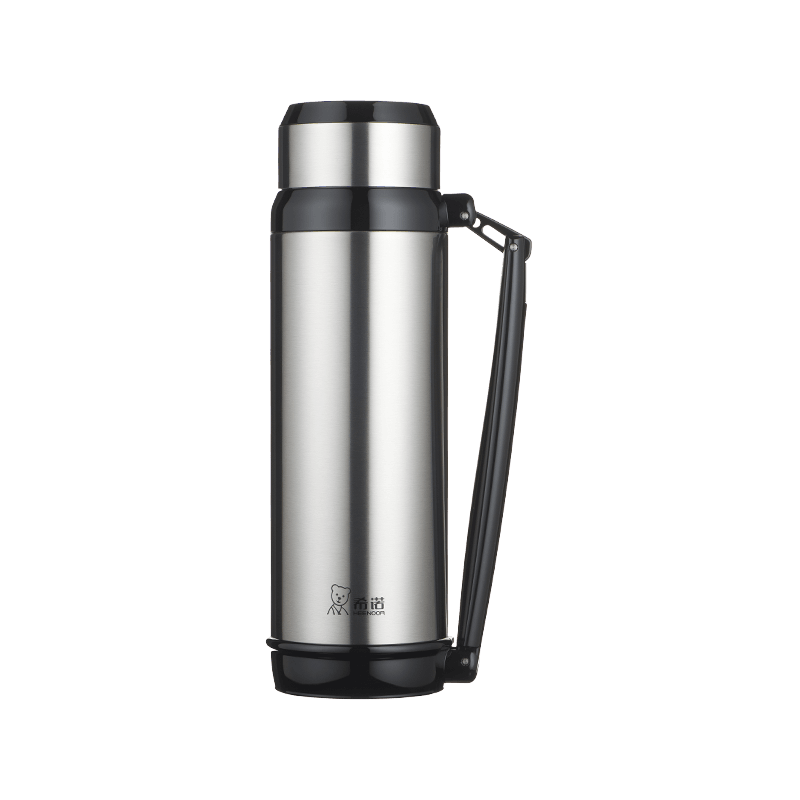
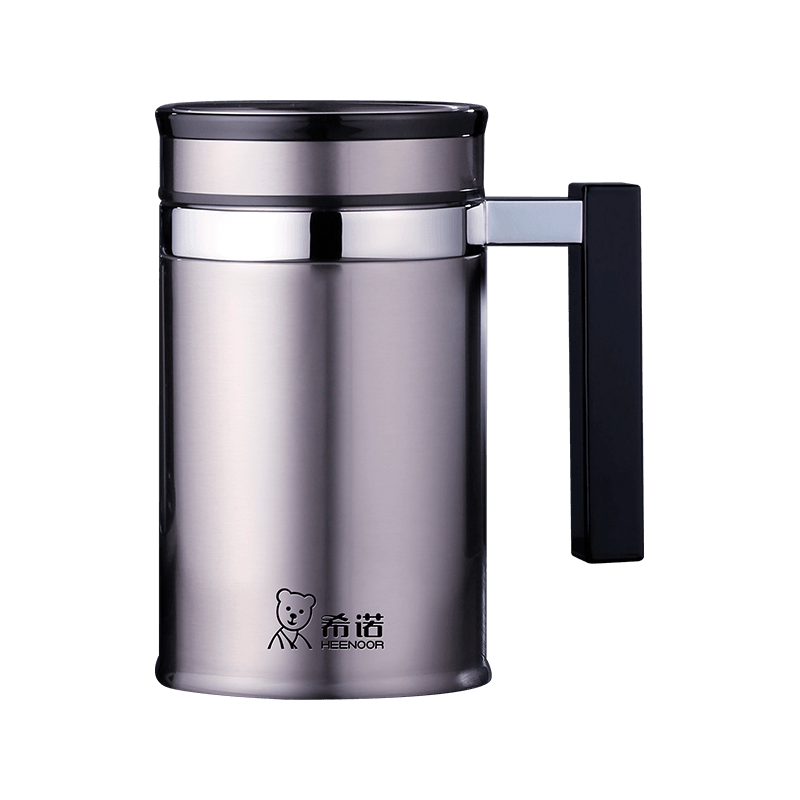
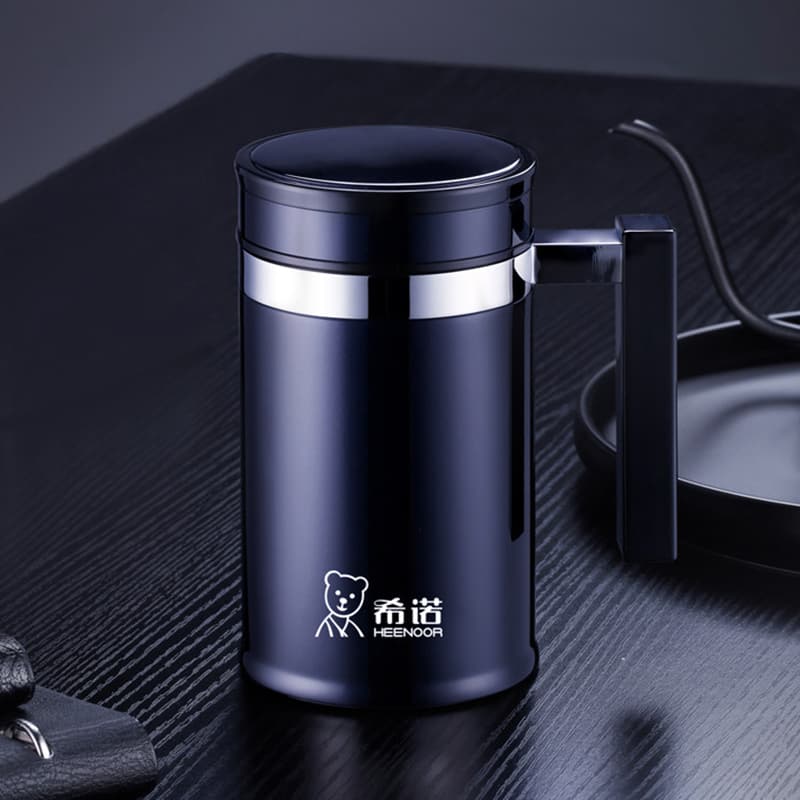 Business Office Handle Stainless Steel Vacuum FlaskA 304 stainless steel vacuum flask with sealed lid, lotus tea filter, reinforced handle, and non-slip base for office or meeting use.View Product →
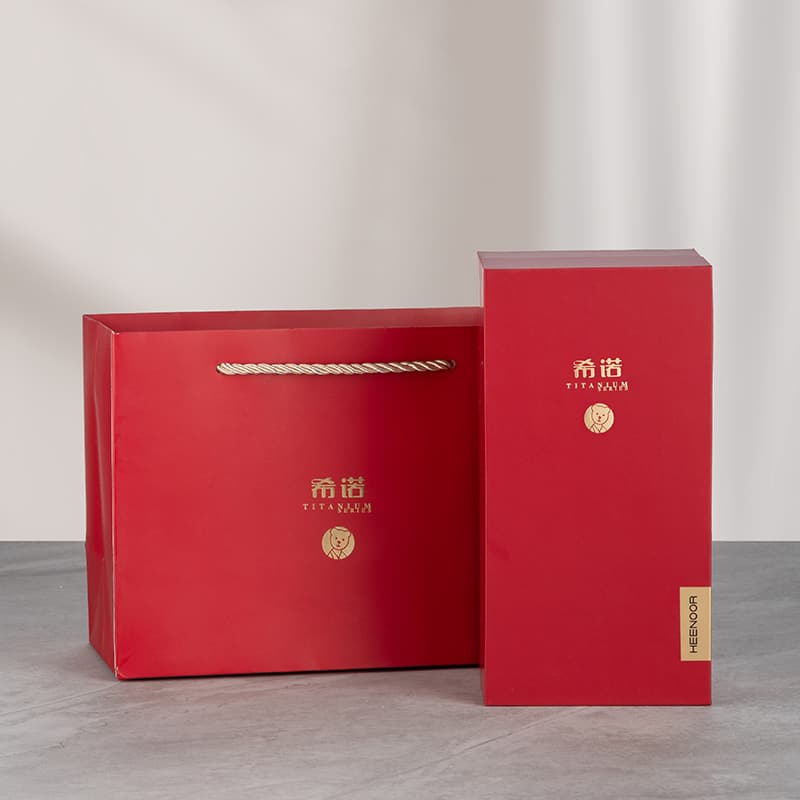 Pure Titanium Portable Vacuum Flask for Tea and TravelA lightweight TA1 titanium vacuum flask with non-reactive interior, lotus tea filter, leak-resistant silicone seal, and double-layer insulation for commuting or gifting.View Product →
Ceramic Water Bottle vs Stainless Steel: Which One Should You Really Carry?
Content
- 1 What People Really Mean by a Ceramic Water Bottle
- 2 Taste and Flavor: The Case for an Inert Interior
- 3 Heat and Cold: Where Stainless Steel Pulls Ahead
- 4 Durability, Weight and the Reality of Daily Carrying
- 5 Cleaning and Everyday Hygiene
- 6 Safety: What to Check Before You Buy
- 7 Ceramic vs Stainless Steel at a Glance
- 8 Matching the Bottle to Your Routine
- 9 A Few Notes From a Company That Makes Them
Most people start comparing a ceramic water bottle with a stainless steel one after a single bad experience: water that tasted faintly of metal, or a drink that carried yesterday's coffee into today. The question begins with taste, but it rarely stays there. Before long it becomes a question about how you actually live with the bottle, day after day.
Both materials are genuinely good. They are simply good at different things, and the right answer depends far more on your daily routine than on any single ranking of materials.
What People Really Mean by a Ceramic Water Bottle
Ceramic drinkware comes in two quite different forms, and the distinction matters more than the word ceramic suggests.
The first is a solid ceramic bottle: a fired clay body, glazed inside and out. It is heavy, usually single-walled, and behaves much like a teapot. Pleasant to hold at a desk, not something most people want at the bottom of a backpack.
The second is a ceramic-lined bottle: a stainless steel shell with a ceramic coating bonded to the interior surface. Most bottles sold today as "ceramic" belong to this group. The steel provides structure and, often, vacuum insulation; the lining provides an inert drinking surface.
So when people ask whether ceramic beats stainless steel, they are usually asking whether the surface touching the drink beats bare metal. That is a fair question, and the answer depends on what you pour in.
Taste and Flavor: The Case for an Inert Interior
Once fired and properly glazed, ceramic is chemically inert. Tea, coffee, juice and electrolyte mixes sit against it without picking up metallic notes, and the surface does not hold onto flavor between refills. Rinse it, and the previous drink is gone.
Stainless steel is not one material either. Food-grade 304, often written as 18/8, and 316 are the grades worth insisting on. A well-made stainless steel bottle with a polished interior tastes completely neutral with plain water. Where people notice a difference is with acidic drinks such as citrus water, or after months of daily tea and coffee: oils and tannins cling to metal, and the smell can linger even after washing.
A ceramic lining is the common compromise, and it works well when the coating is properly applied. The trade-offs are real, though. Lining is an extra manufacturing step, so the bottle costs more, and a hard drop onto a stone floor can chip the interior coating and expose the steel underneath.
For anyone who wants an inert interior without a coating to worry about, glass is the overlooked third option. It is fully non-reactive, it does not absorb flavors, and modern double-walled construction has come a long way in durability.
Double-Layer Antibacterial Glass Bottle with Stainless Steel LinerA double-walled glass bottle with vacuum heat blocking, 304 stainless steel liner, silver-ion antibacterial coating, and lotus-shaped filter for office tea.View Product →Heat and Cold: Where Stainless Steel Pulls Ahead
This is the least ambiguous part of the comparison. A solid ceramic bottle is single-walled. It insulates only as well as the clay itself does, which is to say it keeps a drink warm for a short while and then slowly follows room temperature. It also holds heat well enough to feel warm in the hand.
A stainless steel vacuum bottle removes the air between two walls, which is why a good one keeps tea hot for twelve hours or more and cold water cold for a full day. If temperature retention is your priority, the material debate is effectively over before it starts.
The exception is a ceramic-lined vacuum bottle, which pairs an insulated steel body with an inert interior. You get much of both worlds, at a higher price and with an interior surface that needs a little more care.
If you want to understand the mechanics behind insulation ratings, our guide to what makes a thermal insulated water bottle work walks through the details.
Business Office Handle Stainless Steel Vacuum FlaskA 304 stainless steel vacuum flask with sealed lid, lotus tea filter, reinforced handle, and non-slip base for office or meeting use.View Product →Durability, Weight and the Reality of Daily Carrying
Solid ceramic loses this round clearly. It chips, it cracks, and a hairline crack in the glaze means the bottle should be retired, since bacteria can settle into the break. It is also heavy: a full ceramic bottle in a bag is noticeable by the end of a commute.
Stainless steel dents rather than shatters. A dented bottle may look imperfect, but it usually still works, and an insulated version keeps performing as long as the vacuum layer is intact. Exterior paint and powder coatings are the weak point, scratching and chipping with rough handling.
Ceramic-lined bottles sit in the middle. The steel body takes impact well, but the interior coating is the part to protect. A silicone sleeve or a carry loop is genuinely useful here, not just decoration.
Cleaning and Everyday Hygiene
Ceramic is the easiest surface to clean. Glaze is smooth and non-porous, so a rinse and a soft brush handle most of it, and there are no flavors waiting to reappear the next morning.
Stainless steel is easy too, with two caveats. Tea and coffee leave residue that needs a bottle brush rather than a quick rinse, and the parts you cannot see, the gasket, the lid threads, the seam at the base, are where mold actually grows. If your bottle develops a smell that survives washing, the gasket is usually the culprit and it should be replaced.
- Wash a new bottle before first use, lid and gasket included.
- Give heavy tea and coffee drinkers a dedicated bottle rather than a shared one.
- Skip abrasive scouring pads on coated or lined interiors.
- Dry the bottle upside down with the lid off, and never store it sealed while damp.
Safety: What to Check Before You Buy
For stainless steel, look for 304 or 316 food-grade steel, described clearly on the label or product page. Unmarked "stainless steel" is worth a second look, since lower grades can release trace amounts of metal into acidic drinks over time.
For ceramic, the clay is rarely the issue. The glaze is. Inexpensive glazes have historically contained lead and cadmium, which is why food-safe, lead-free certification matters. A glaze that has crazed into fine cracks is no longer a safe drinking surface.
For ceramic-lined bottles, check that the interior coating is described as food-grade and that the maker explains how it is bonded. If the lining flakes, stop using the bottle.
Ceramic vs Stainless Steel at a Glance
| Factor | Solid ceramic | Ceramic-lined steel | Stainless steel vacuum |
|---|---|---|---|
| Flavor neutrality | Very high | Very high | Good with water, varies with acidic drinks |
| Hot drink retention | Low | High | High |
| Cold drink retention | Low | High | High |
| Impact resistance | Low | Medium | High |
| Empty weight | Heavy | Moderate | Moderate |
| Cleaning effort | Easy | Easy, avoid abrasives | Easy with a bottle brush |
| Odor retention | Very low | Very low | Some, with tea and coffee |
| Best suited to | Desk and home tea drinking | Mixed daily drinks | Commuting, sport and travel |
| Relative cost | Medium to high | High | Low to medium |
Matching the Bottle to Your Routine
Abstract comparisons only get you so far. Here is how the decision usually plays out in practice.
- Desk and home tea drinking: solid ceramic, or a ceramic-lined tumbler if you also want it to stay hot.
- Commuting and office work: a stainless steel vacuum bottle with a handle, ideally with a wide enough mouth to clean properly.
- Sport and travel: single-piece stainless steel, with no lining that could chip and no glaze to crack.
- Juice, smoothies and flavored water: glass or a ceramic-lined interior, where acidic drinks will not pick up a metallic edge.
- Children and shared use: stainless steel with a secure lid and a protective sleeve.
A Few Notes From a Company That Makes Them
We have been manufacturing drinkware since 1999, starting with PC and glass, then moving into stainless steel and titanium. Design, tooling, validation and production sit under one roof, which is one reason we tend to see this question in practical terms rather than as a contest. It is about matching the surface to the liquid and the shell to the day. If you would like to know more about how we approach drinkware manufacturing, we are happy to share.
Titanium deserves a mention for anyone who likes the toughness of metal but is sensitive to the taste of steel. It is lighter than stainless steel, highly corrosion-resistant, and inert in contact with drinks, which is why it turns up in tea ware and premium flasks.
Pure Titanium Portable Vacuum Flask for Tea and TravelA lightweight TA1 titanium vacuum flask with non-reactive interior, lotus tea filter, leak-resistant silicone seal, and double-layer insulation for commuting or gifting.View Product →If you remember one thing from this comparison, make it this: ceramic wins on taste, stainless steel wins on temperature and toughness, and glass and lined bottles split the difference. Choose the interior surface for what you drink, and the outer shell for how you carry it, and you will rarely be disappointed.
You may also like…
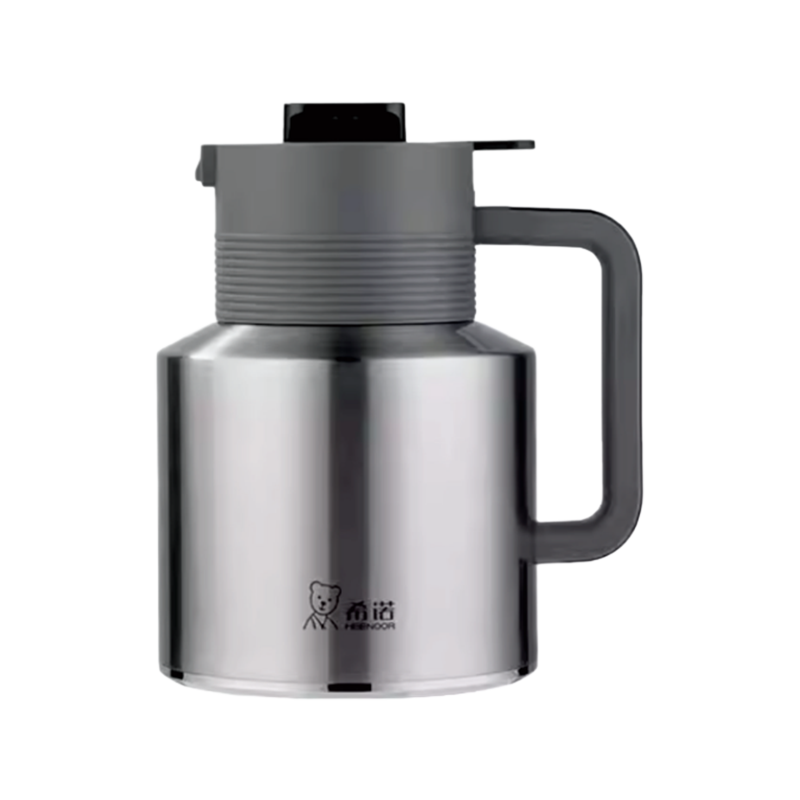
Copyright © 2025 Heenoor Co., Ltd. All Rights Reserved.
 Custom Stainless Steel Drinkware Manufacturers
BACK TOP