Where Double Wall Glass Bottles Actually Fail: The Seam Joint and the Lid
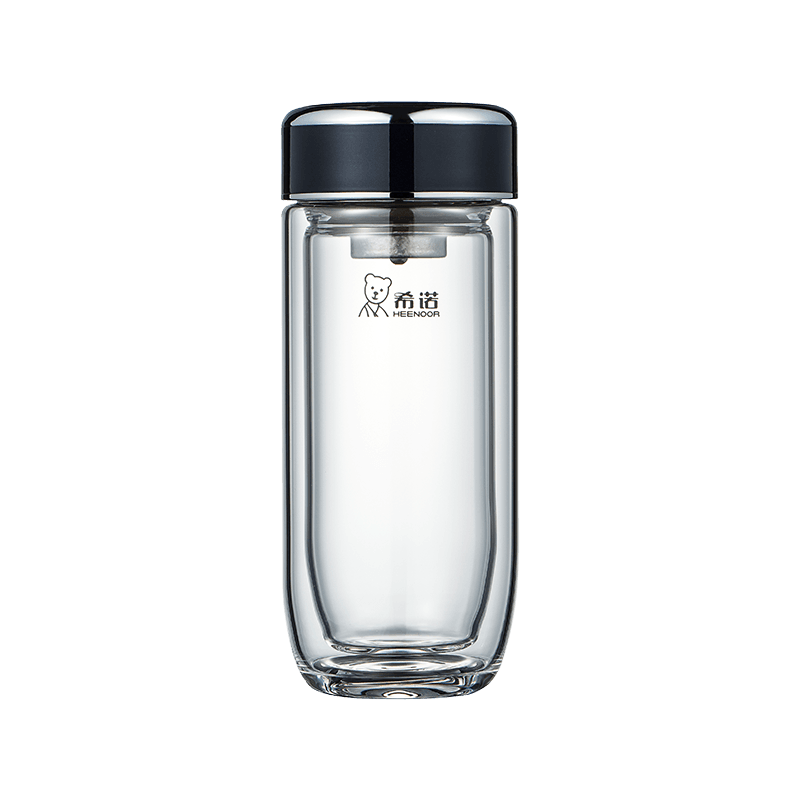
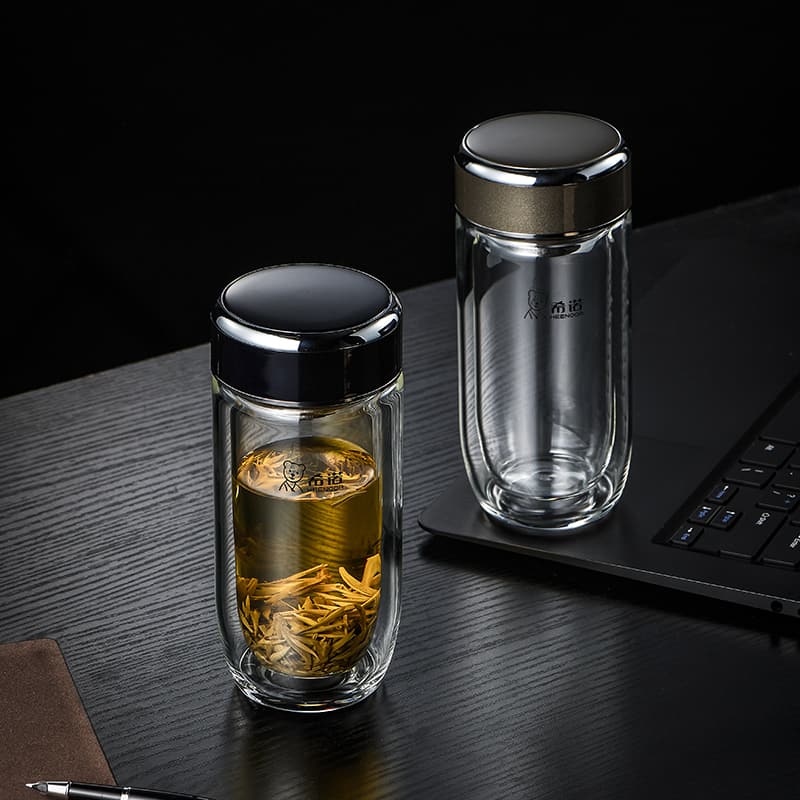
A batch of Double Wall Glass Water Bottle units once passed every visual inspection on a production line, then failed a pressure-differential test at the point where the inner and outer glass walls fuse together near the neck. Nothing about the failure was visible from outside — the crack sat inside the sealed interlayer, invisible until the unit was submerged and checked for bubble leakage. This is the kind of defect that separates a glass supplier running proper junction testing from one relying on surface inspection alone, and it's worth understanding before evaluating any quote for double wall glass production.
Testing the Junction Where Two Glass Walls Meet
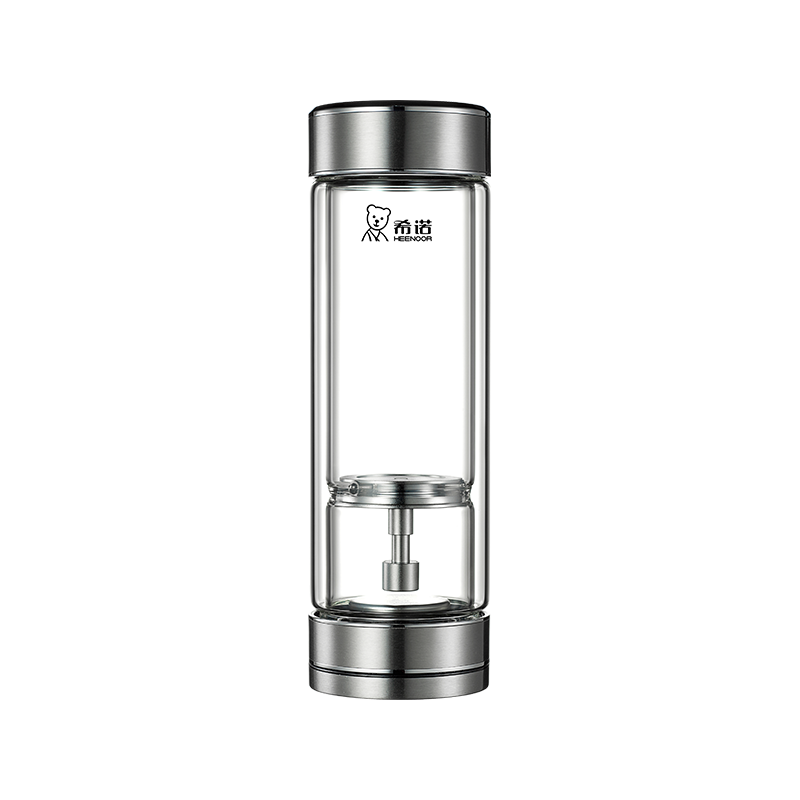
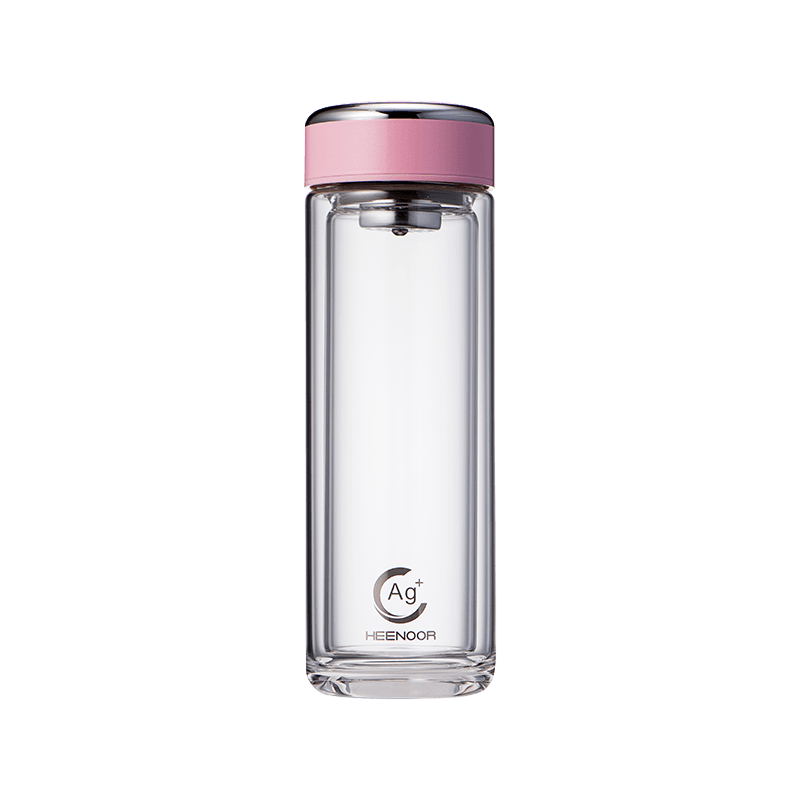
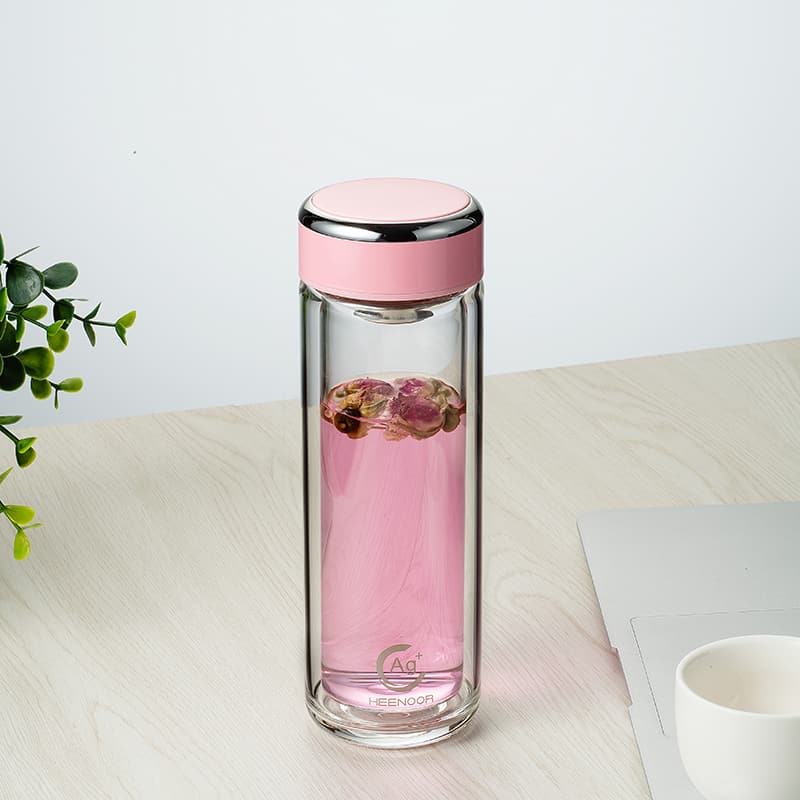
The junction on a double wall glass water bottle — typically located at the neck or base where the inner vessel connects to the outer shell — is formed while the glass is still in a semi-molten state, fused under controlled heat rather than glued or mechanically joined. This fusion point carries more stress than the rest of the bottle body because it's where two curved glass surfaces meet at an angle, and any unevenness in heat distribution during forming can leave microscopic voids or thin spots exactly at that intersection.
A common way to check this junction's integrity is a submersion leak test, where a finished bottle is placed underwater and the sealed air gap between the two walls is pressurized slightly, watching for bubble streams escaping at the seam. This catches leaks that a dry visual check would miss entirely, since a hairline crack in the fusion zone often isn't visible to the naked eye until it's under pressure. A second method involves thermal shock cycling — moving the bottle rapidly between hot and cold water baths several times — because the junction area is where differential expansion stress concentrates first if the fusion wasn't done evenly across the full circumference.
Glass bottled water suppliers who skip interval retesting and rely only on a single post-production check tend to miss slow-forming junction weaknesses that don't show up until a bottle has gone through repeated dishwasher cycles or temperature swings in actual use. Heenoor Co., Ltd. runs submersion and thermal cycling checks on double wall glass structures as separate steps rather than combining them into one pass/fail inspection, since a junction that survives one stress type doesn't automatically survive the other.
| Test Method |
What It Detects |
Limitation of Skipping It |
| Submersion pressure test |
Micro-leaks at the fusion junction |
Hairline cracks stay invisible without pressure applied |
| Thermal shock cycling |
Stress concentration from uneven fusion |
Junction weakness only surfaces after repeated temperature exposure |
| Visual-only inspection |
Surface defects, chips, obvious cracks |
Misses internal junction voids entirely |
Lid Sealing: Where Gasket Design and Thread Geometry Diverge
Once the glass body passes junction testing, the lid becomes the next point where leak-proof performance is decided, and this is where silicone-gasket lids and threaded screw-cap designs behave quite differently. A silicone gasket lid relies on compression — the gasket material deforms slightly under clamping pressure to fill the microscopic irregularities on the glass rim, which works well immediately after manufacture but depends on the silicone retaining its elasticity over time. Repeated compression cycles, combined with exposure to dishwasher heat, gradually cause a phenomenon called compression set, where the silicone stops fully rebounding after each opening and closing, and the seal quality drifts downward well before the bottle shows any other sign of wear.
A threaded screw-cap design distributes sealing force differently, relying on thread engagement depth and a flat or slightly domed sealing surface rather than a single compressed gasket ring. This tends to hold consistent seal quality longer under repeated use because there's no single elastomer component wearing out, but it introduces its own risk: thread pitch mismatch between the glass neck and the cap, even by a fraction of a millimeter, can create a seal that feels secure by hand-tightening but leaks slowly under the pressure of being tipped in a bag. Glass threading also has less forming tolerance than plastic or metal threading, since glass can't be re-cut or adjusted after molding the way a metal or plastic thread can during a secondary machining step.
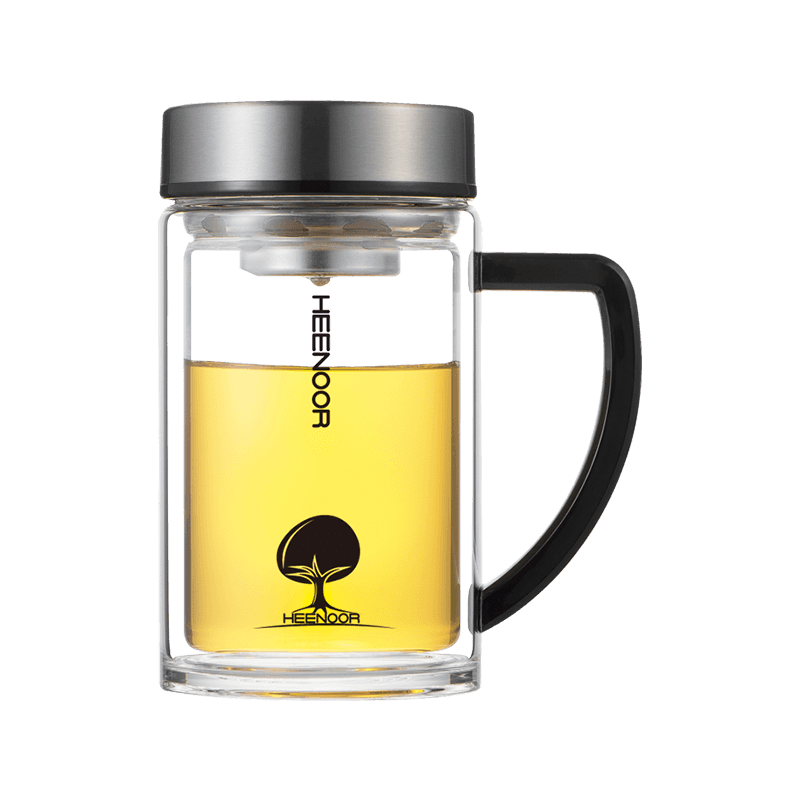
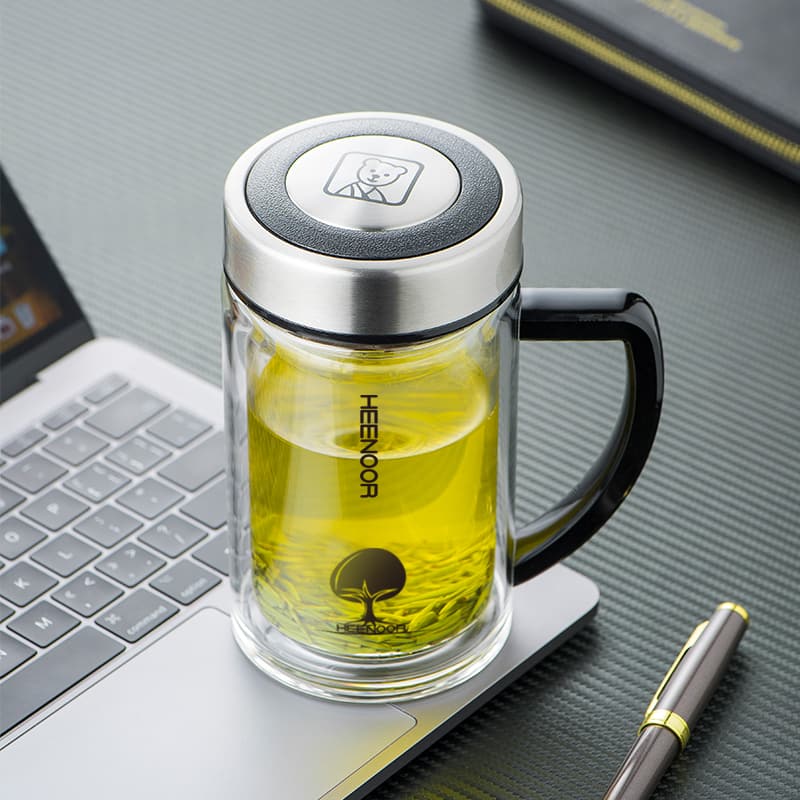
For a double wall glass water bottle specifically, lid choice interacts with the bottle's use case more than people expect — a bottle marketed for stationary desk or home use can tolerate a gasket lid's gradual wear curve, while one positioned for daily transport in a bag needs the more consistent seal behavior that thread engagement typically provides over a longer period.
| Lid Type |
Seal Mechanism |
Wear Pattern Over Time |
| Silicone-gasket lid |
Compression against glass rim |
Gradual compression set reduces seal tightness |
| Threaded screw-cap |
Thread engagement and surface contact |
More stable if thread tolerance is tight from manufacture |
Why These Two Checkpoints Get Reviewed Together
Junction integrity and lid sealing aren't independent quality questions in practice — a double wall glass water bottle with a flawless fusion junction can still fail a customer's leak complaint if the gasket wears out early, and a bottle with a well-engineered threaded lid can still leak from the junction if that fusion point wasn't tested under pressure. Heenoor Co., Ltd. treats these as connected checkpoints within the same production sequence for double wall glass water bottle programs, since evaluating one without the other leaves a gap that tends to surface only after the product has been in a customer's hands for weeks, which is a harder and more expensive place to catch a defect than during in-line testing.

 English
 中文简体
中文简体 日本語
日本語 Español
 عربى
عربى Vacuum Flask/Water Bottle