What Actually Determines Insulation Stability in a Double-Wall Vacuum Body
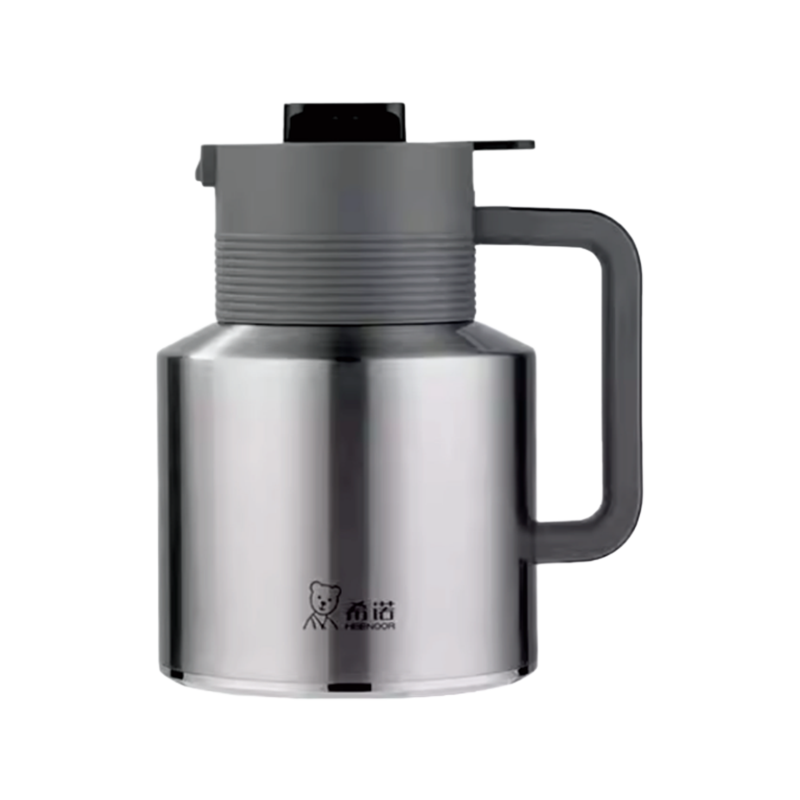
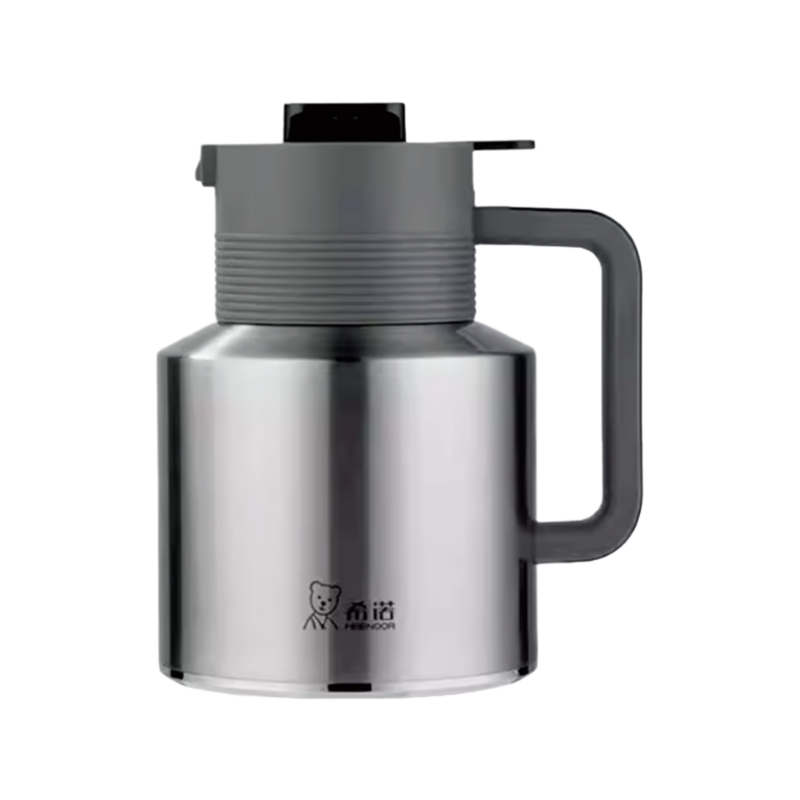
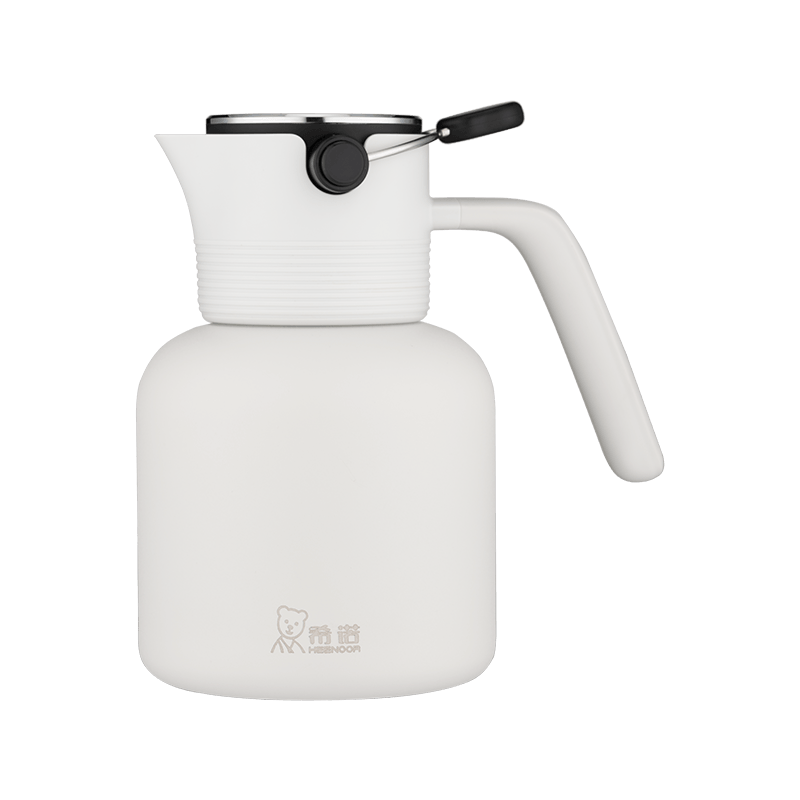
Two kettles can share the same wall thickness and the same stainless steel grade yet hold noticeably different temperatures after several hours of testing. The gap usually has little to do with the metal itself and almost everything to do with what happens between the two walls before the unit is sealed. For a Vacuum Insulated Kettle in particular, insulation is not a static state achieved once and forgotten; it is a condition that has to survive years of thermal cycling, transport vibration, and repeated use before it can be called stable.
The Sealing Point Is Where Reliability Is Won or Lost
Before the final seal, air and moisture trapped inside the interlayer must be pumped out through a small evacuation port, typically located at the base or neck of the inner-outer assembly. If residual gas pressure inside that cavity is not brought down to a low enough level, convective and conductive heat transfer will still occur across the gap, and the kettle will lose heat far faster than its rated performance suggests. Pinch-off welding at the evacuation point is one of the more sensitive steps in the whole process — a slightly uneven pinch, or a weld pass that runs too hot, can leave a micro-channel that lets gas back in slowly over months. This is why some batches pass initial testing but show degraded performance after several thermal cycles in the field.
Copper Plating and Getter Material Play a Supporting Role
Many vacuum bodies rely on a thin copper coating applied to the inner surface of the outer wall to reduce radiant heat transfer, since a bare stainless surface still radiates a measurable amount of heat even in a low-pressure environment. A getter pellet, usually a barium-based compound activated by induction heating after sealing, absorbs residual gas molecules that continue to outgas from the metal itself for a period after production. Without this step, vacuum degree can drift within the first few weeks of storage, even before the product reaches a customer.
| Process Variable |
Effect on Long-Term Insulation |
Typical Production Response |
| Residual pressure after evacuation |
Higher residual gas increases convective heat loss over time |
Vacuum held below a set threshold before pinch-weld sealing |
| Pinch-off weld quality |
Micro-leaks cause gradual vacuum decay months after sale |
Weld inspected under magnification, sample units leak-tested |
| Getter activation |
Insufficient activation leaves outgassing unaddressed |
Induction heating parameters fixed per body size |
| Copper layer uniformity |
Thin or patchy coating raises radiant heat transfer |
Coating thickness checked at intervals during plating |
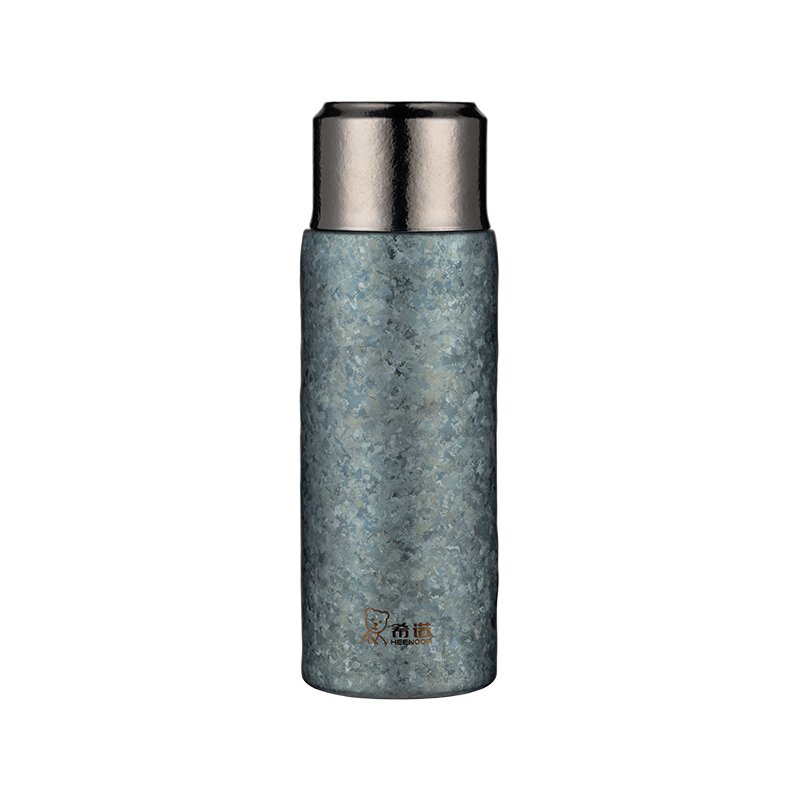
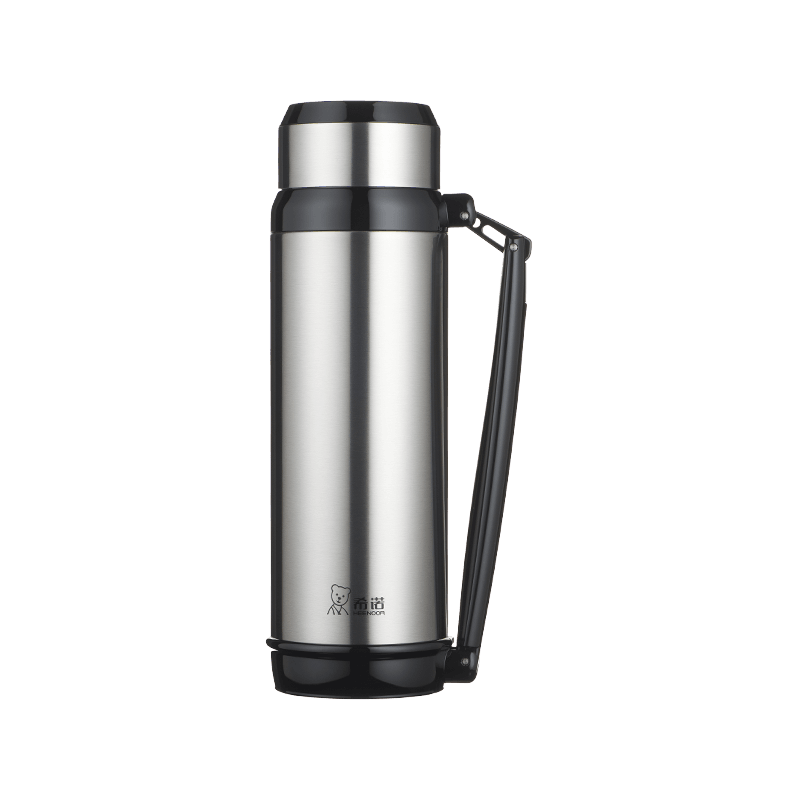
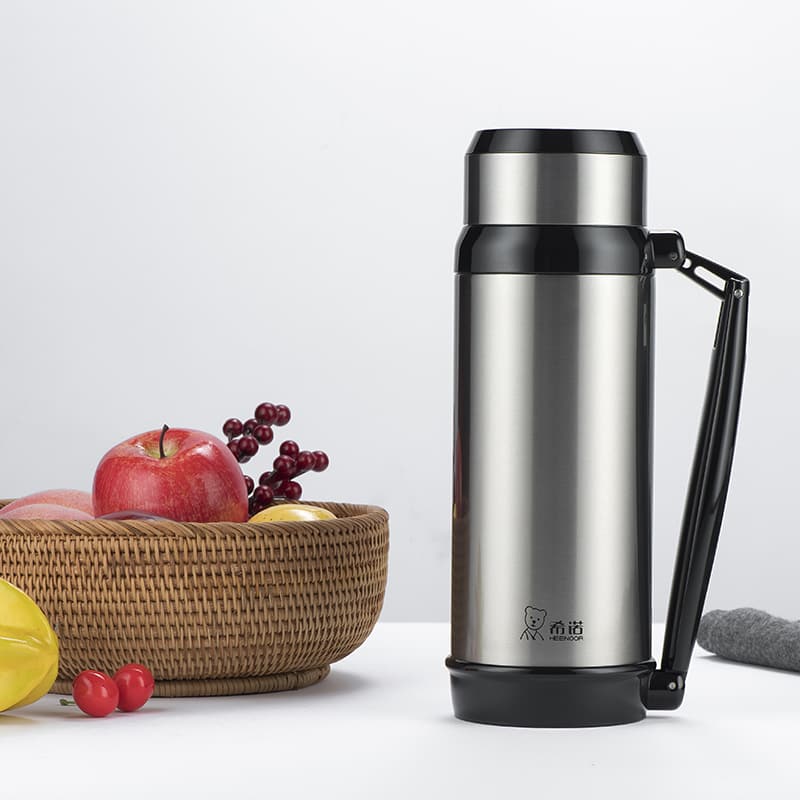
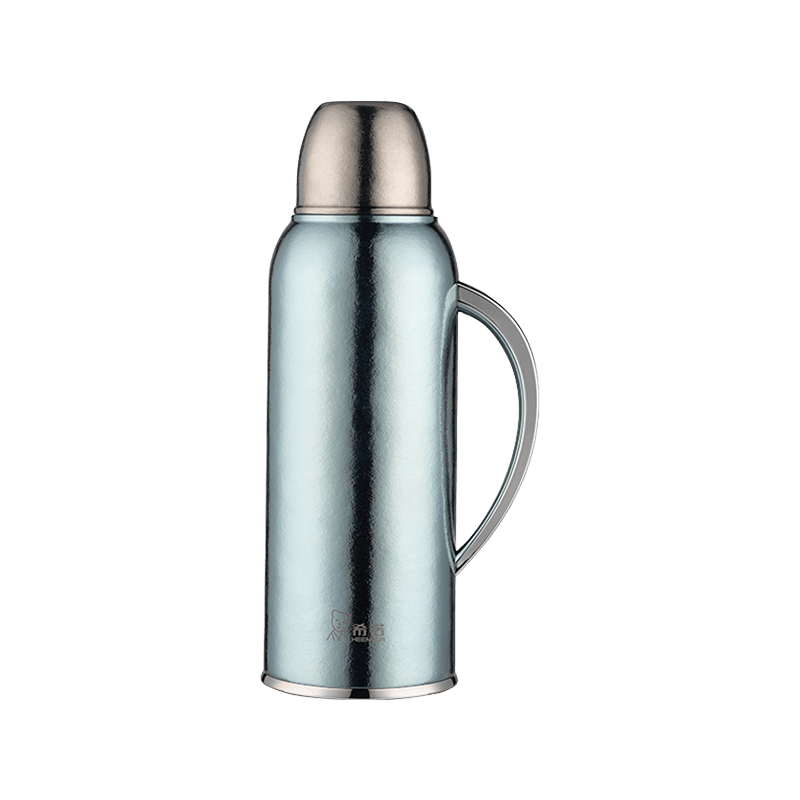
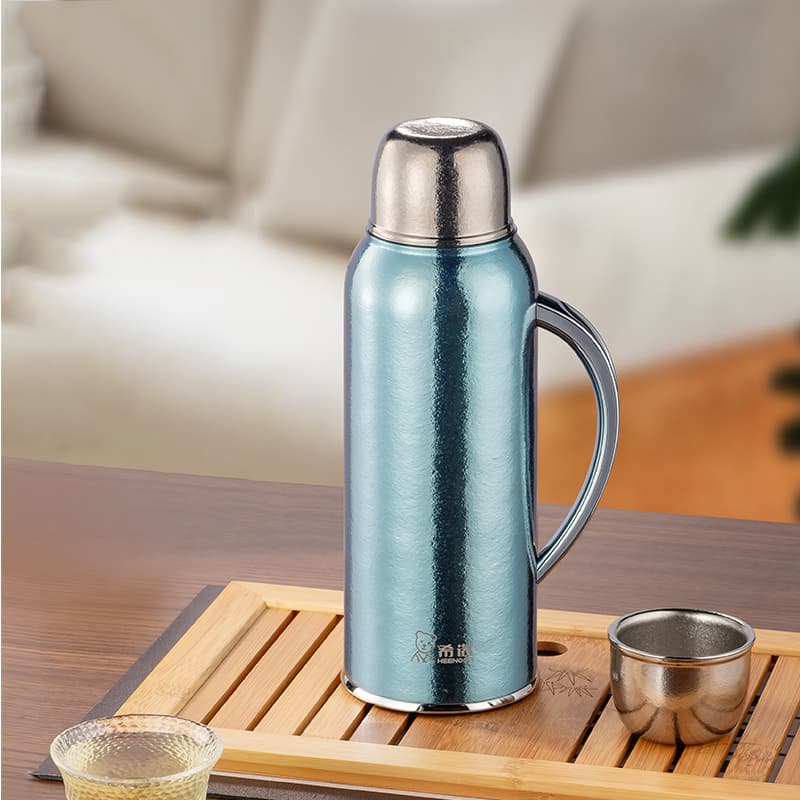
Heenoor Co., Ltd. treats these variables as production controls rather than one-time settings, since a single deviation at the sealing stage can undo hours of upstream work in stamping, deep drawing, and wall assembly. This applies across the product range, from a stainless steel Vacuum Insulated Kettle intended for daily desk or kitchen use to a titanium vacuum flask built for lighter, more mobile applications, where the same evacuation and pinch-weld discipline still governs how well the unit holds its temperature months after leaving the line. In practice, vacuum decay testing on sample units — sealing a batch and re-measuring pressure after a set dwell period — gives a more honest picture of long-term stability than a single reading taken right after production.
Lid Sealing: The Quiet Component That Decides Whether a Kettle Leaks
It is easy to assume that leak-proof performance comes mainly from the body of a vacuum flask, but in field returns the lid assembly is responsible for a disproportionate share of complaints — dripping during transport, seepage when tilted, or a slow loss of pressure that lets liquid seep out overnight.
Gasket Material and Compression Ratio
Most lid seals rely on a silicone or EPDM gasket seated in a groove around the pour spout or the main cap. The gasket does not seal simply by being present; it seals because it is compressed by a defined ratio, usually between fifteen and thirty percent of its original thickness, when the lid is closed or the cap is threaded down. Too little compression and the seal gaps under pressure changes during air travel or temperature swings; too much compression accelerates gasket creep, where the rubber permanently deforms and loses its restoring force after repeated open-close cycles. Thread pitch and cap torque are set together with gasket hardness, measured in Shore A, so that a consumer closing the lid by hand — without any special tool — still achieves the compression the design calls for.
Structural Details That Are Easy to Overlook
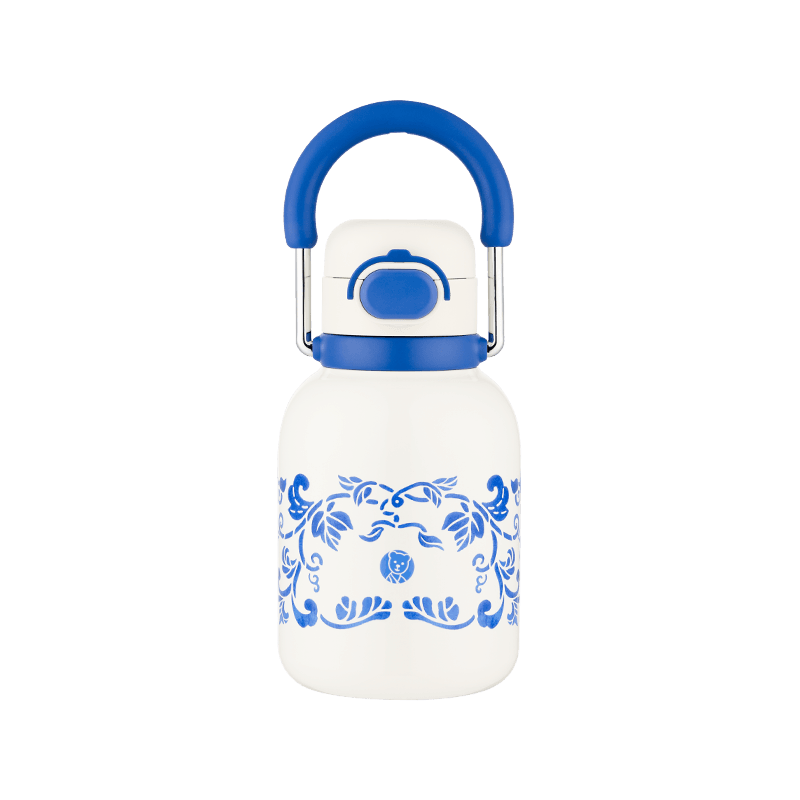
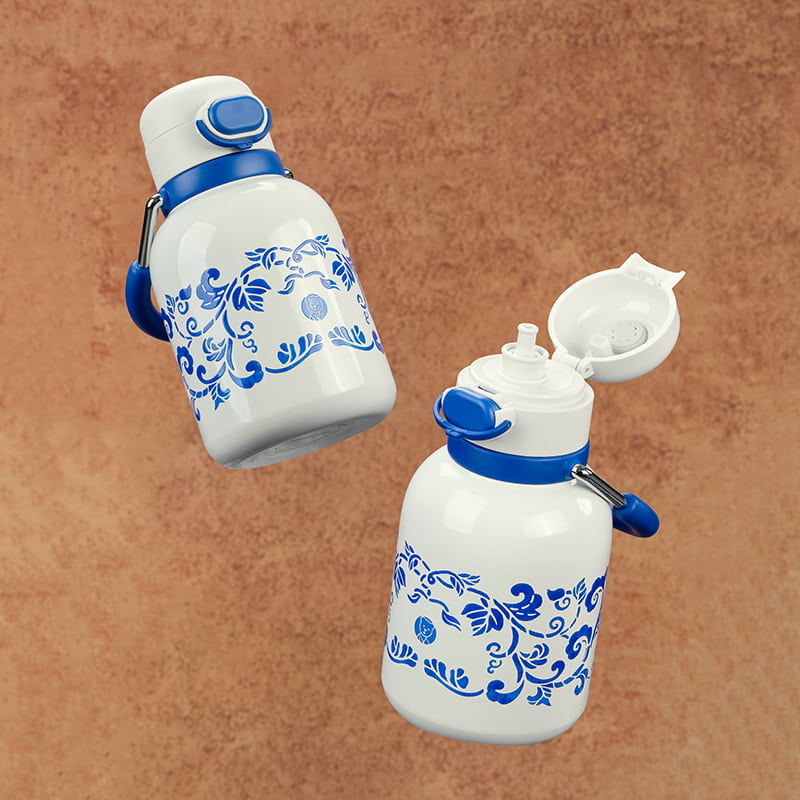
A snap-fit inner lid used on some flip-top designs relies on a secondary rib that presses the gasket against the pour opening independently of the outer cap, which matters because it means a loosely closed outer cap does not automatically cause a full leak — a detail that becomes important in drop testing and rough handling simulations. Spout valves on push-button kettles introduce another sealing interface entirely, one that must hold under internal pressure generated by hot liquid and repeated button actuation over the product's service life. On a titanium vacuum flask built for outdoor carry, the lid assembly also has to tolerate knocks against a pack frame or rock surface without the gasket seat deforming, which adds another layer to how the closure is validated. Heenoor Co., Ltd. builds these interactions into early sample review, since a lid that seals correctly on day one but loosens after three hundred open-close cycles will still generate field complaints months after shipment.
Testing Under Conditions That Resemble Actual Use
Static leak testing — filling a unit with water, inverting it, and checking for drips — catches obvious defects but misses slower failure modes. More useful data comes from cyclic testing: opening and closing the lid several hundred times, then repeating a tilt or inversion test, sometimes combined with a thermal cycle between hot fill and ambient cooling. Vibration testing on a shaker table, simulating the jostling a flask experiences in a shipping carton, has revealed seal issues that never appeared in bench-top checks. This is part of why Heenoor Co., Ltd. incorporates cycle and vibration testing into new tooling validation before a lid design is released for volume production, rather than relying solely on a single static check at the end of the line.

 English
 中文简体
中文简体 日本語
日本語 Español
 عربى
عربى Vacuum Flask/Water Bottle