 English
 中文简体
 日本語
 Español
 عربى

Search
Categories
Recommend
Categories
 Company news
Recommend
-
 Industry news
-
 Industry news
-
 Industry news
-
 Industry news
Oct 27, 2026 - By admin
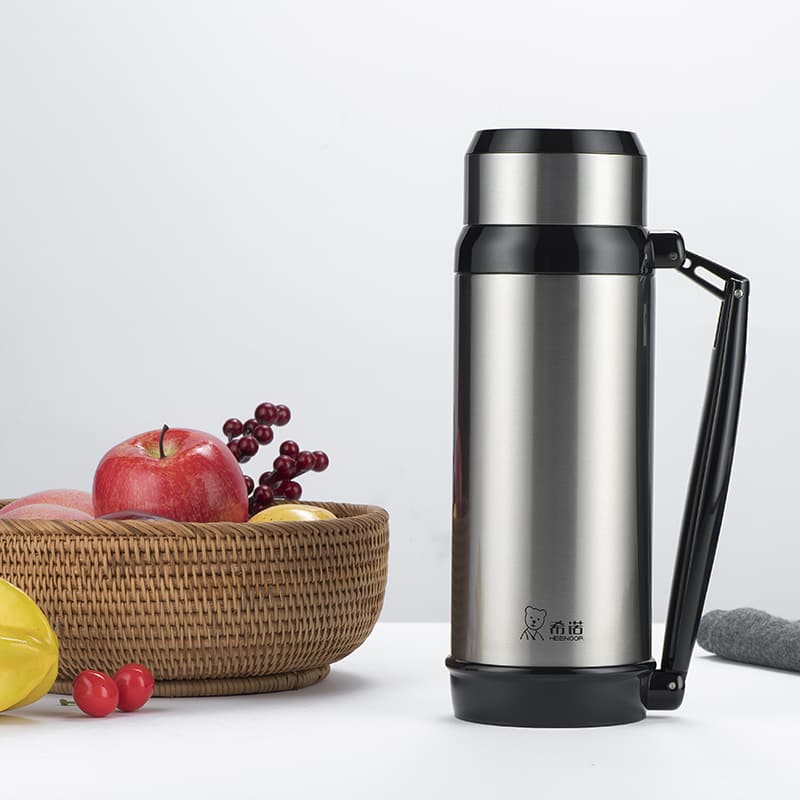
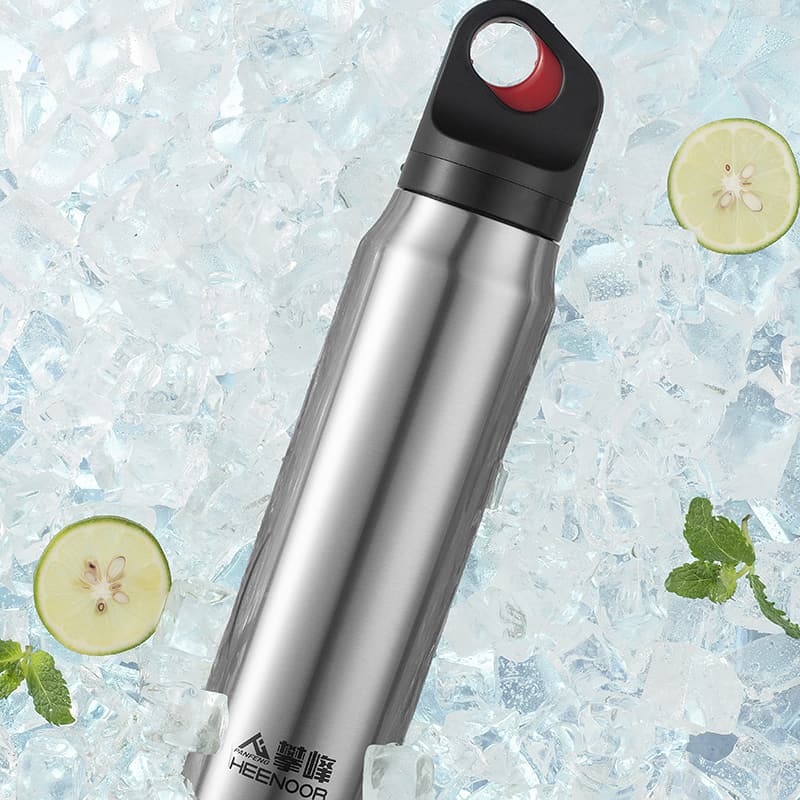 Stainless Steel Vacuum Flask with Antibacterial 316L LinerThis 630ml outdoor flask pairs a 316L liner with silver-ion coating and vacuum insulation, making it a durable, hygienic choice for all-day hydration.View Product →
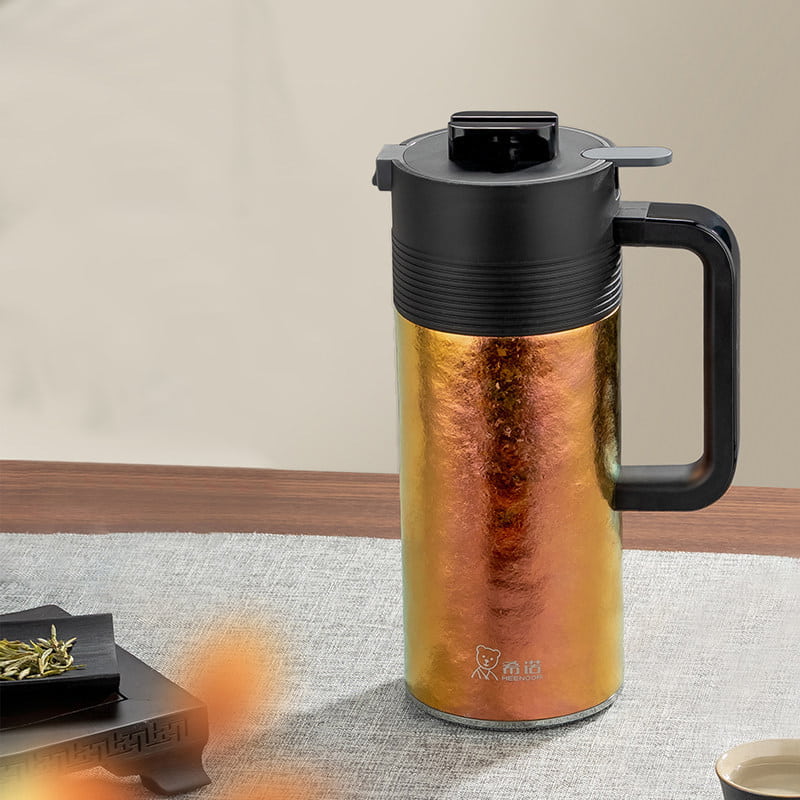
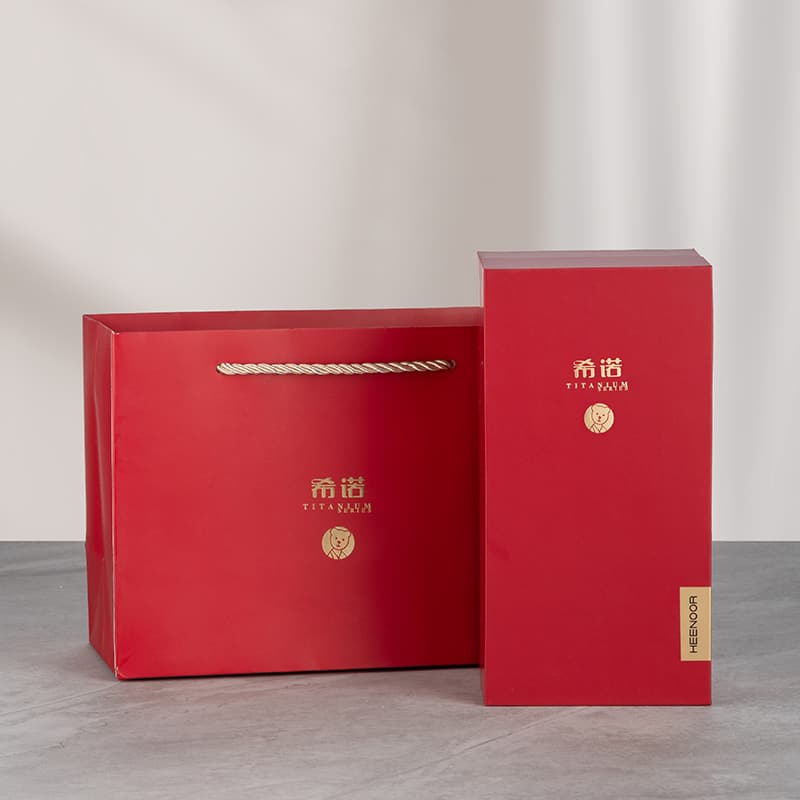 Pure Titanium Vacuum Flask for Lightweight PortabilityWeighing 43% less than steel and made of TA1 titanium, this bottle resists acids and alkalines, preserving tea's flavor for travel and outings.View Product →
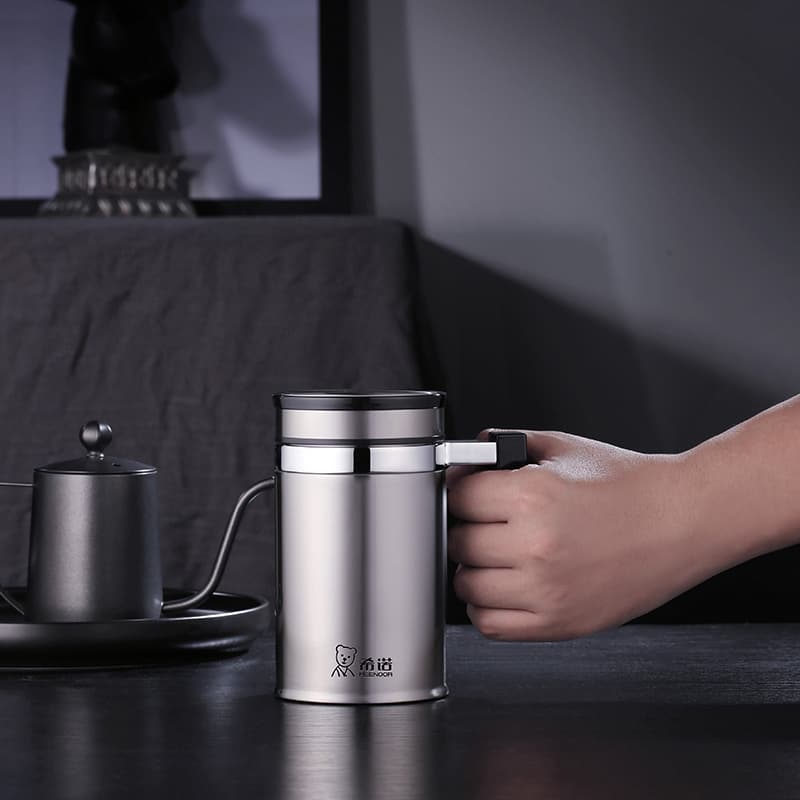
 Master Series Office Flask with Double-Wall Vacuum DesignEngineered with 316L inner and 304 outer steel, this 420-500ml flask suits office use and gifting, backed by Heenoor's refined manufacturing.View Product →
How Do Insulated Water Bottles Work? The Science of Keeping Drinks Hot or Cold
Content
We have all been there: you fill a bottle with iced water before a hike, and hours later the ice cubes are still clinking against the sides. Or you pour a fresh cup of coffee in the morning, screw the lid shut, and it is still pleasantly warm at lunchtime. That kind of performance does not happen by accident. It is the result of a carefully engineered structure built around some very elegant physics.
At Heenoor, we have spent more than two decades designing and manufacturing insulated drinkware, and we still find the science behind it genuinely fascinating. So let's walk through exactly how insulated water bottles work, one layer at a time.
The Three Ways Heat Travels
Before we talk about bottles, we need to talk about heat itself. Heat does not simply drift away on its own; it moves from warmer areas to cooler areas through three distinct mechanisms:
- Conduction is heat transfer through direct physical contact. Touch a hot stove and heat flows straight into your hand because the metal molecules are vibrating and passing that energy along.
- Convection happens when heat moves through a fluid, whether liquid or gas. Warm air rises, cool air sinks, and those circulating currents carry thermal energy with them.
- Radiation is heat that travels as electromagnetic waves, similar to light. The warmth you feel from a campfire on your face, even from a distance, is radiant heat.
An insulated water bottle essentially fights all three of these mechanisms at once. The clever part is that each layer of the bottle targets a different form of heat transfer.
Double-Wall Construction: Two Bottles in One
Look at an insulated water bottle in cross-section and you will see that it is really two bottles nested inside each other. The inner wall holds your drink, while the outer wall is the part your hand touches. Between those two walls lies a thin gap, and that gap is where all the magic happens.
If the gap were simply filled with air, the bottle would still offer some insulation, but not very much. Air molecules would bump against the warm inner wall, pick up energy, and carry it through convection currents toward the cooler outer wall. That is why a plain double-wall bottle without vacuum insulation can only keep drinks cool for a short time. The air gap slows heat transfer, but it does not stop it.
The Vacuum Layer: The Heart of Insulation
The real breakthrough comes when the air is removed from that gap. A vacuum is a space with virtually no molecules inside it. And here is the key insight: conduction and convection both rely on molecules to carry heat. Remove the molecules, and those two mechanisms simply cannot operate.
In a properly sealed vacuum-insulated bottle, the inner wall and outer wall are fused together at the neck, and the air between them is pumped out during manufacturing. The resulting vacuum gap is an almost perfect barrier against conduction and convection. In manufacturing, achieving and preserving that vacuum is one of the hardest steps. The two steel walls must be welded together with a perfect seal, because even a microscopic leak will eventually let air back in and destroy the insulating performance.
That leaves radiation as the only remaining pathway. To handle it, many high-quality bottles add a thin reflective coating, often copper or silver, on the inner wall's exterior surface. This coating bounces radiant heat back toward the liquid, much like a thermal blanket. Between the vacuum and the reflective layer, there is very little left that can steal warmth from your drink.
This is also why a well-made vacuum bottle stays cool to the touch even when filled with boiling water. The outer wall never heats up because heat physically cannot cross the vacuum gap.
What About the Lid?
If there is one weak point in any insulated bottle, it is the lid. The body of the bottle might have a vacuum barrier, but the lid is a solid piece of plastic or metal, and heat can travel straight through it. That is why lid design matters so much.
Quality bottles use lids with thick walls, double-walled construction, or silicone seals that lock tightly against the rim. Some lids also narrow the opening, which reduces the surface area where heat can escape. Every gram of engineering that goes into the lid translates directly into hours of extra insulation.
Why Material Choice Matters
The materials used for the inner and outer walls play a huge role in performance. Most insulated bottles are made from food-grade 18/8 stainless steel, which is durable, corrosion-resistant, and safe for both hot and cold liquids. Stainless steel is also easy to clean and does not absorb odors or flavors.
Stainless Steel Vacuum Flask with Antibacterial 316L LinerThis 630ml outdoor flask pairs a 316L liner with silver-ion coating and vacuum insulation, making it a durable, hygienic choice for all-day hydration.View Product →
Titanium takes things a step further. It weighs significantly less than stainless steel, making it ideal for travelers and hikers who count every gram. Titanium is also naturally corrosion-resistant and completely inert, so it will never impart a metallic taste to your water or tea.
Pure Titanium Vacuum Flask for Lightweight PortabilityWeighing 43% less than steel and made of TA1 titanium, this bottle resists acids and alkalines, preserving tea's flavor for travel and outings.View Product →
Some premium bottles add a copper sleeve around the inner wall before the outer wall is attached. Copper is an excellent reflector of radiant heat, which further improves insulating performance.
| Material | Weight | Durability | Heat Retention | Price |
|---|---|---|---|---|
| Stainless Steel | Moderate | Excellent | Excellent | Moderate |
| Titanium | Light | Excellent | Excellent | Premium |
| Plastic | Light | Moderate | Poor | Low |
As a manufacturer, we have worked with all of these materials over the years. Each one brings a different balance of weight, durability, and thermal performance, and the right choice depends on how you plan to use your bottle.
Getting the Most from Your Insulated Bottle
Even the best vacuum bottle can be beaten by a few simple mistakes. Here are the habits that make the biggest difference:
- Pre-heat or pre-chill the bottle. Rinse the inside with boiling water before adding hot drinks, or with ice water before adding cold ones. This prevents the bottle's own mass from stealing the first burst of heat.
- Fill it all the way. A partially filled bottle has air above the liquid, and that air will slowly transfer heat through the lid. A full bottle leaves less room for heat exchange.
- Limit how often you open it. Every time the lid comes off, warm or cool air rushes in and the vacuum does the best it can, but opening the bottle is the fastest way to lose the temperature battle.
For a deeper look at what separates a great bottle from a mediocre one, our complete guide to choosing a thermal insulated water bottle covers the key specifications and testing considerations in detail.
Science Meets Craftsmanship
When you look at an insulated water bottle, you are looking at a small engineering marvel. A vacuum gap stops conduction and convection, a reflective coating blocks radiation, and a well-designed lid seals off the last escape route. Each element plays its part, and the result is a bottle that can keep your drink at the right temperature for hours.
The quality of that engineering matters. A vacuum that is not properly sealed, walls that are too thin, or a lid that does not fit snugly can quietly destroy the performance of the whole bottle. That is why at Heenoor, we have spent over two decades refining every step of the manufacturing process, from material selection to final quality checks.
Master Series Office Flask with Double-Wall Vacuum DesignEngineered with 316L inner and 304 outer steel, this 420-500ml flask suits office use and gifting, backed by Heenoor's refined manufacturing.View Product →
So the next time you take a sip of perfectly chilled water on a hot afternoon, you will know exactly what has been working behind the scenes to make it happen.
You may also like…
Copyright © 2025 Heenoor Co., Ltd. All Rights Reserved.
 Custom Stainless Steel Drinkware Manufacturers
BACK TOP