English
 中文简体
中文简体 日本語
日本語 Español
 عربى
عربى Company news
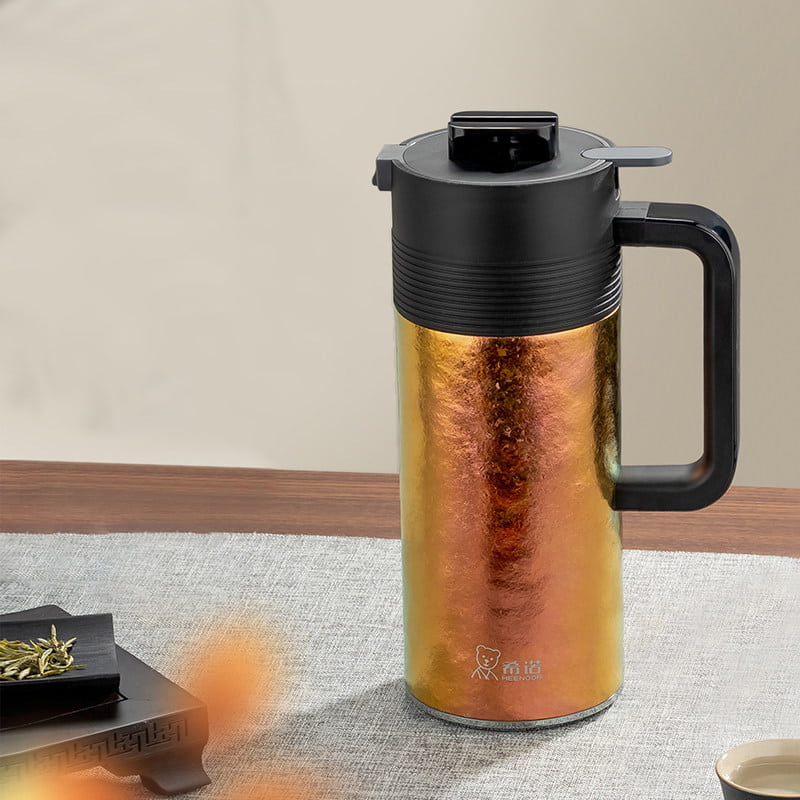
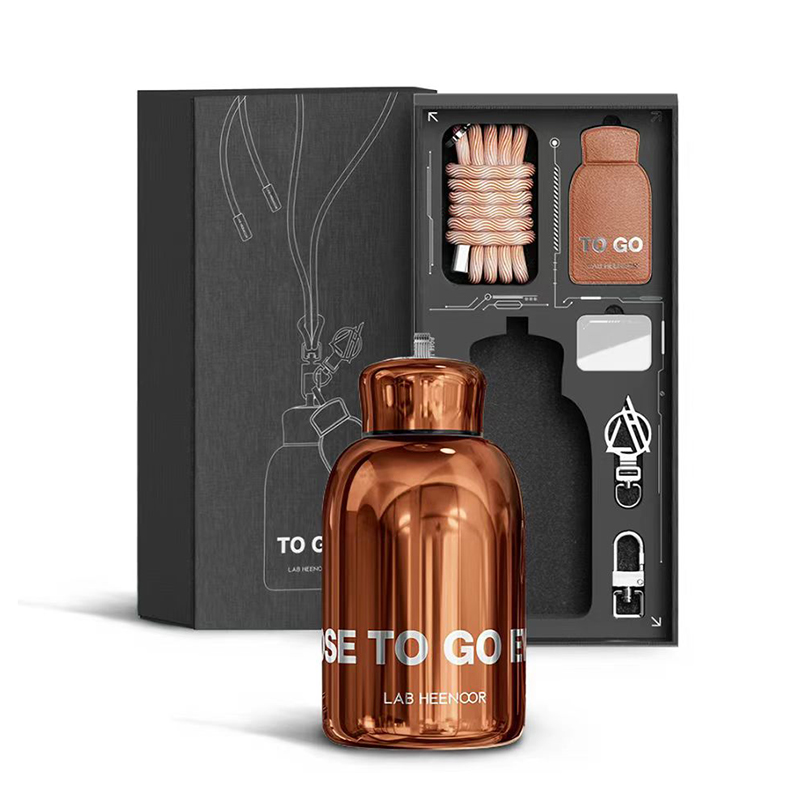
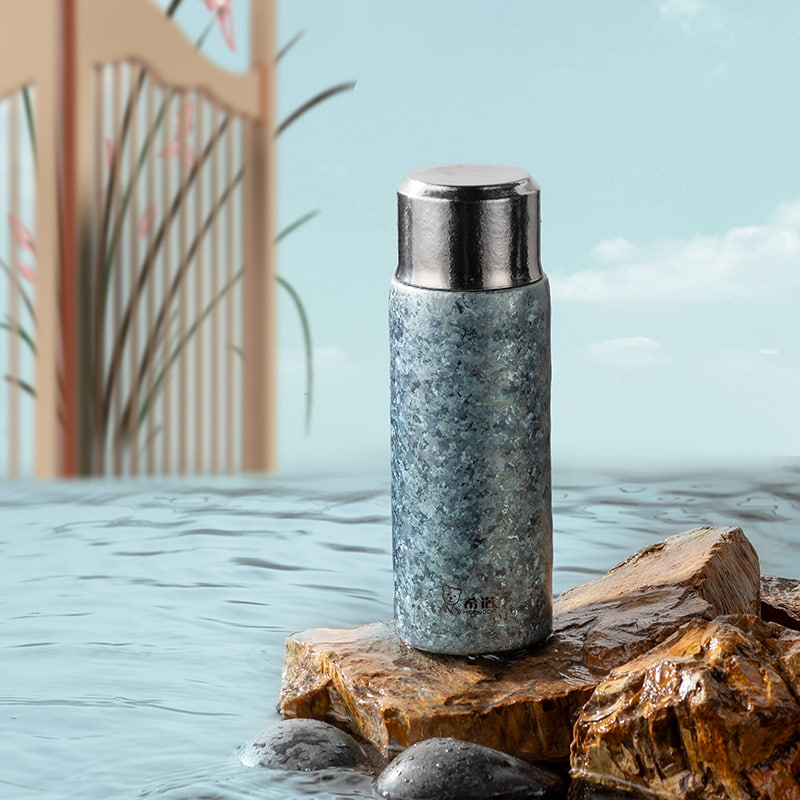
A practical, data backed walkthrough of the specifications that actually determine performance, from steel grade and wall structure to heat retention hours and certification standards.
The right vacuum insulated kettle comes down to five measurable specifications: stainless steel grade (304 or 18/8 food grade steel, not 201), double wall vacuum structure with a genuine vacuum gap rather than foam or air insulation, heat retention performance of at least 6 hours above 60 degrees Celsius for daily use models, capacity matched to use case (0.5 to 1 liter for personal or office use, 1.5 to 2 liters for family or hospitality use), and third party certification such as FDA, LFGB, or SGS food contact safety testing. Everything below explains how to verify each of these before you buy or place a bulk order.
Quick Reference: The Five Specifications That Matter Most
Before going deep into the technical detail, here is the summary table most buyers actually need. Use this as a checklist when comparing product listings or supplier quotations.
| Specification | What to Look For | Why It Matters |
| Steel Grade | 304 stainless steel (18/8) | Resists corrosion, does not leach metal into hot water |
| Wall Structure | Double wall with sealed vacuum layer | Vacuum is the only medium that blocks conductive and convective heat loss |
| Heat Retention | 6 hours or more above 60 degrees Celsius | Indicates a real vacuum seal, not just marketing language |
| Capacity | 0.5L to 2L depending on use | Oversized or undersized kettles waste energy and space |
| Certification | FDA, LFGB, or SGS food contact report | Confirms the interior surface is safe for repeated hot water contact |
Understanding Vacuum Insulation Technology
A vacuum insulated kettle works differently from a standard kettle or a foam lined thermos. Between the inner and outer stainless steel walls, the air is pumped out during manufacturing to create a near vacuum gap, typically measured at pressures below 10 to the negative 2 pascal in quality production lines. Because heat needs a medium to travel through by conduction or convection, removing that medium slows heat loss dramatically. The only remaining heat loss path is radiation, which is why higher end kettles also apply a thin copper or silver reflective coating to the inner wall.
This is fundamentally different from single wall kettles or kettles insulated with foam, plastic, or trapped air. Foam and trapped air still conduct heat, just more slowly than solid metal, so a foam insulated bottle typically loses noticeable temperature within 3 to 4 hours, while a true vacuum insulated kettle can hold usable heat for 8 to 12 hours or longer.
How to tell if a kettle is truly vacuum insulated
- Check the product listing or datasheet for the phrase double wall vacuum insulation, not just double wall or insulated
- Look for a stated heat retention duration in hours with a starting and ending temperature, for example 100 degrees Celsius to 60 degrees Celsius over 6 hours
- Genuine vacuum kettles are noticeably heavier than foam insulated ones due to the double steel wall construction
- Tap the outer wall gently, a vacuum insulated kettle produces a duller, more solid sound compared to a thin single wall kettle
Stainless Steel Grade and Wall Thickness
The steel grade used for both the inner and outer wall directly affects safety, durability, and long term performance. Two grades dominate the kettle market.
| Steel Grade | Chromium and Nickel Content | Corrosion Resistance | Recommended For |
| 304 (18/8) | About 18 percent chromium, 8 percent nickel | High, resists rust and acid from tea, coffee, or fruit infusions | Food and beverage contact, daily use, export products |
| 201 | Lower nickel, higher manganese | Moderate, more prone to staining and pitting over time | Budget items only, not recommended for prolonged hot liquid contact |
| 316 | Adds molybdenum for extra resistance | Very high, used mainly in marine or medical grade equipment | Premium or specialized kettles, higher cost |
Wall thickness also matters, though it is less commonly listed. Inner wall thickness of 0.4 to 0.5 millimeters and outer wall thickness of 0.3 to 0.4 millimeters is typical for a durable mid range kettle. Thinner walls reduce cost but are more prone to denting and can compromise the vacuum seal if the kettle is dropped.
Ask the supplier for a mill test certificate or material report confirming the steel grade used. Reputable manufacturers can provide this on request, and its absence is a warning sign for budget listings claiming 304 steel at unusually low prices.
Heat Retention Performance: How Long Should It Keep Water Hot
Heat retention is the single most tested performance metric for vacuum insulated kettles, and it is usually measured using a method similar to ASTM F2769, where boiling water is sealed inside the kettle and temperature is logged at fixed intervals in a controlled ambient environment, typically around 20 degrees Celsius.
Below is a general benchmark table drawn from common industry testing ranges. Actual results vary by brand, capacity, and lid design, but this gives a realistic expectation for comparison purposes.
| Time Elapsed | Entry Level Vacuum Kettle | Mid Range Vacuum Kettle | Premium Vacuum Kettle |
| 1 hour | 90 to 92 degrees Celsius | 93 to 95 degrees Celsius | 96 to 98 degrees Celsius |
| 6 hours | 55 to 60 degrees Celsius | 65 to 70 degrees Celsius | 72 to 78 degrees Celsius |
| 12 hours | Below 45 degrees Celsius | 50 to 55 degrees Celsius | 58 to 65 degrees Celsius |
| 24 hours | Not typically rated | 35 to 40 degrees Celsius | 42 to 48 degrees Celsius |
If the number of a listing seems too high without a clear testing method noted, treat it with caution. A trustworthy manufacturer or seller will state the ambient temperature, the fill level used, and the type of lid closure used during testing, since an open pour spout loses heat faster than a screw down or push button sealed lid.
Capacity and Use Case Matching
Capacity should be chosen based on how the kettle will actually be used, not simply the largest available option. Oversized kettles take longer to heat, are heavier to pour, and often perform worse per liter because a partially filled large kettle has more empty headspace, which slightly reduces retained heat efficiency.
| Use Case | Recommended Capacity | Typical Users |
| Personal desk or travel | 0.35L to 0.6L | Individual office workers, commuters, students |
| Home kitchen, small household | 0.8L to 1.2L | 1 to 2 person households |
| Family kitchen | 1.5L to 1.8L | 3 to 5 person households |
| Office pantry, hospitality, hotel room | 1.5L to 2L | Shared spaces, B2B and hospitality supply |
| Outdoor and camping | 0.5L to 1L, lightweight preferred | Hikers, campers, field use |
Lid, Spout, and Pour Control Design
Lid and spout design affects both heat retention and daily usability, and this is where many otherwise good kettles fail in practice.
Best sealing performance and highest heat retention. Slightly slower to open and close, best suited for kettles used for storage rather than frequent pouring.
Convenient one hand operation, good for office and kitchen use. Sealing is slightly less airtight than screw down designs, moderate heat retention.
Fast pouring and easy cleaning. Tends to have the lowest heat retention among common lid types due to a larger opening area.
Prevents accidental spills during transport or travel. Recommended for kettles intended for camping, hospitality carts, or shared office kitchens.
Also check the seal material. Food grade silicone gaskets outperform rubber or plastic gaskets in both temperature resistance and long term elasticity, since low grade rubber can harden and crack after repeated exposure to boiling water.
Base Compatibility and Heating Method
Not every vacuum insulated kettle is meant to be heated directly. Many are thermal carafes designed to store water that has already been boiled by a separate kettle, while others are stovetop safe kettles with vacuum walls that can go directly on a heat source.
- Thermal carafe type, not heat safe, used purely for storage and pouring, often paired with an electric kettle or water boiler
- Stovetop safe type, compatible with gas flame and sometimes induction, requires a flat, magnetic base layer for induction compatibility
- Electric vacuum kettle, combines a heating base with a removable vacuum insulated body, useful for keeping water hot after boiling without continuous power draw
If induction compatibility is required, confirm the base plate contains a magnetic stainless steel layer, since 304 grade steel alone is only mildly magnetic and may not trigger induction cooktops reliably without an added ferromagnetic disc.
Certifications and Safety Standards to Check
Because a vacuum insulated kettle holds hot liquid for extended periods, food contact safety certification is not optional, especially for products intended for import, retail, or hospitality use.
| Certification | Region | What It Confirms |
| FDA | United States | Food contact material safety for the interior steel surface |
| LFGB | Germany and broader EU market | Food safety and material migration testing under European standards |
| SGS Test Report | International | Independent third party verification of material composition and safety |
| BPA Free | Global | Confirms no bisphenol A in plastic components such as lids or seals |
For buyers sourcing in bulk or for private label products, request the actual test report document rather than accepting a certification claim printed only on packaging or product photos.
Price Range and Value Comparison
| Tier | Typical Price Range | What You Get | What Is Often Missing |
| Budget | Low cost entry tier | Basic double wall construction, simple lid | Often 201 steel, unverified retention claims, weaker seals |
| Mid Range | Moderate price tier | 304 steel, tested retention specs, silicone seals | May lack premium finishes or advanced lid mechanisms |
| Premium | Higher price tier | Thicker walls, reflective inner coating, extended retention, full certification set | Higher unit cost, longer lead time for custom orders |
For most household or office buyers, the mid range tier offers the best balance of safety, durability, and heat performance. Budget tier products should be treated cautiously unless the seller can provide material certification, since the price gap between 201 and 304 steel is often the main reason for the lower cost.
Vacuum Insulated Kettle vs Regular Kettle
| Factor | Vacuum Insulated Kettle | Regular Kettle |
| Heat Retention | 6 to 24 hours depending on grade | Cools within 20 to 40 minutes after boiling |
| Reheating Frequency | Low, water stays usable for hours | High, often needs to be reboiled multiple times per day |
| Energy Use Over a Day | Lower, fewer reheating cycles | Higher, repeated boiling adds up |
| Weight | Heavier due to double wall steel | Lighter, single wall construction |
| Best Fit | Office, travel, hospitality, households that value convenience | Households that boil water fresh each time and prioritize low upfront cost |
Common Mistakes to Avoid When Buying
- Trusting the word insulated alone without checking for double wall vacuum construction specifically
- Ignoring steel grade and assuming all stainless steel kettles are equally safe for hot liquid contact
- Choosing capacity based on the largest available size rather than actual daily usage
- Overlooking lid seal quality, which has a major effect on real world heat retention
- Buying stovetop use kettles without confirming induction compatibility if that is required
- Skipping certification verification when purchasing for resale, hospitality, or bulk gifting purposes
Where to Source Quality Vacuum Insulated Kettles
For individual buyers, checking the specifications above against any retail listing is usually enough to make a confident decision. For buyers who need wholesale quantities, private label production, or custom capacity and finish options, working directly with an experienced manufacturer is generally more reliable than sourcing through general marketplaces, since a manufacturer can provide material certificates, retention test data, and consistent quality control across production batches.
Recommended Manufacturer
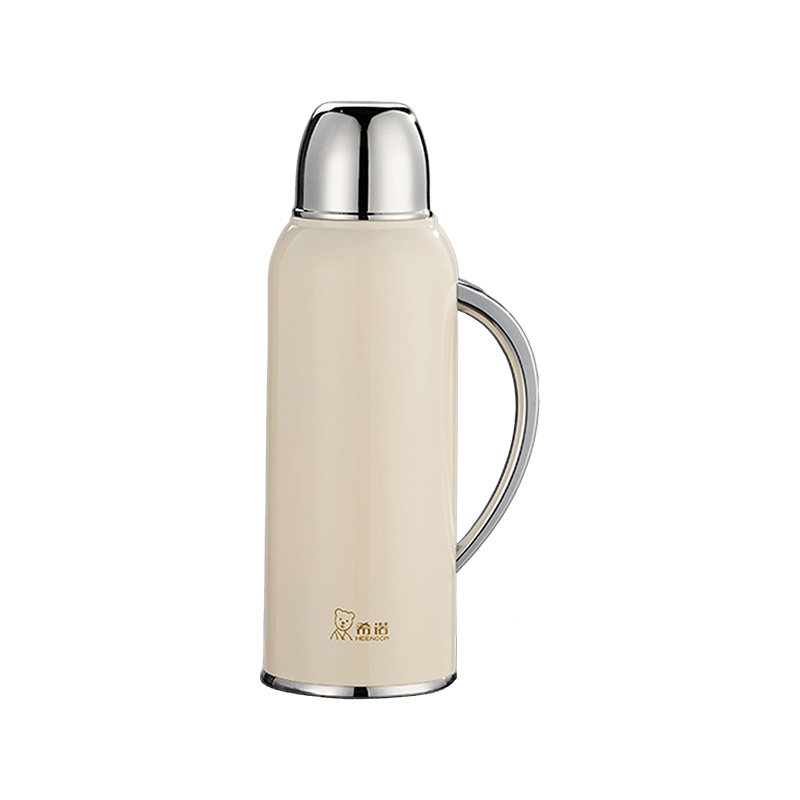
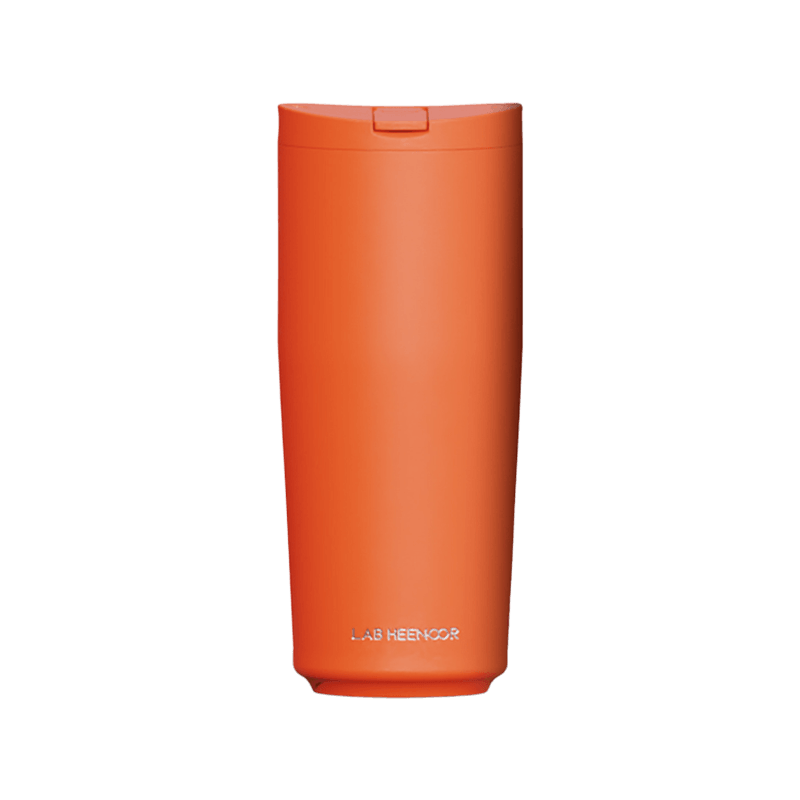
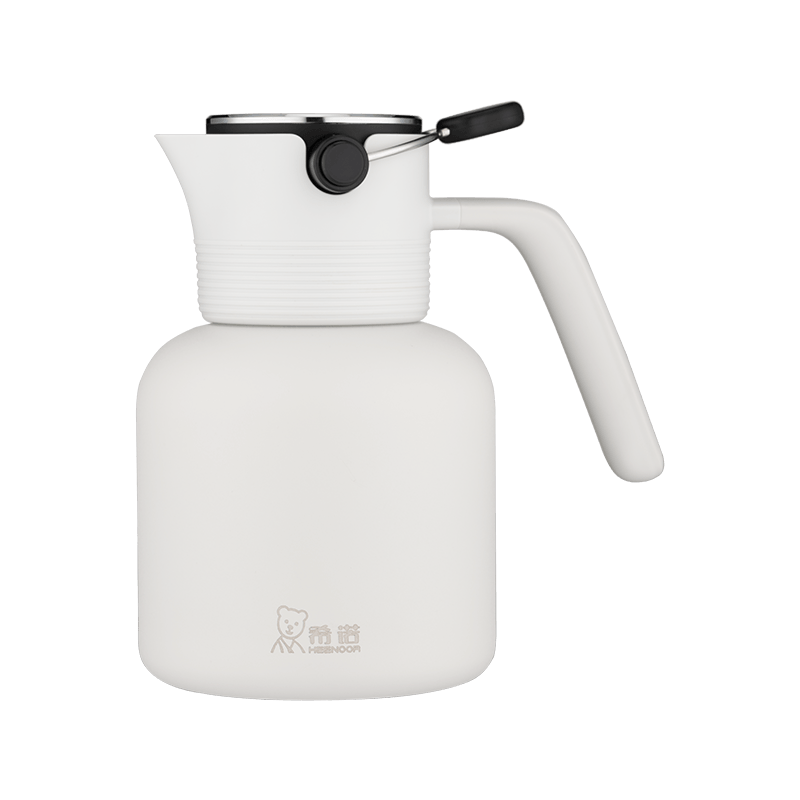
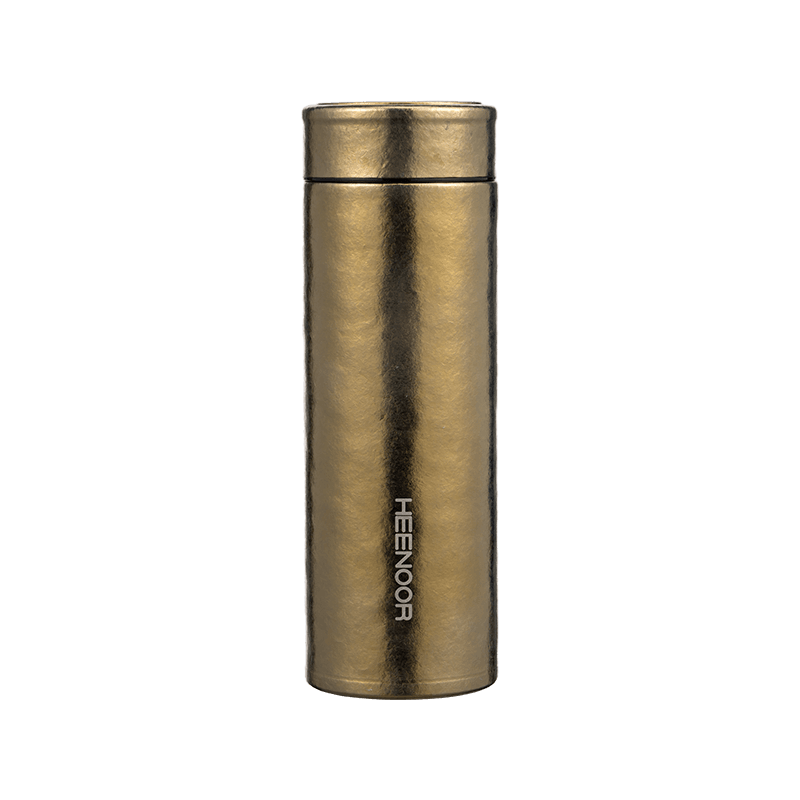
Heenoor Co., Ltd. specializes in stainless steel vacuum insulated kettles and drinkware, offering 304 food grade steel construction, tested heat retention performance, and support for OEM and ODM orders including custom capacity, lid design, and branding. For buyers evaluating suppliers for bulk or private label vacuum insulated kettles, requesting sample units and test reports directly from a manufacturer such as Heenoor Co., Ltd. is a practical way to confirm the specifications covered in this guide before committing to a full order.
Final Checklist Before You Buy
- Confirm 304 or 18/8 stainless steel for both inner and outer walls
- Verify double wall vacuum insulation, not foam or single wall construction
- Check stated heat retention hours along with the testing conditions used
- Match capacity to actual daily use rather than the largest size available
- Choose a lid and seal design suited to how the kettle will be used day to day
- Confirm heating method compatibility if the kettle will be used on a stove or induction cooktop
- Request FDA, LFGB, or SGS certification, especially for bulk or resale purchases
- For wholesale or custom orders, work with an established manufacturer such as Heenoor Co., Ltd. to secure verified specifications and consistent quality