 English
 中文简体
 日本語
 Español
 عربى

Search
Categories
Recommend
Categories
 Company news
Recommend
-
 Industry news
-
 Industry news
-
 Industry news
-
 Industry news
Nov 11, 2026 - By admin
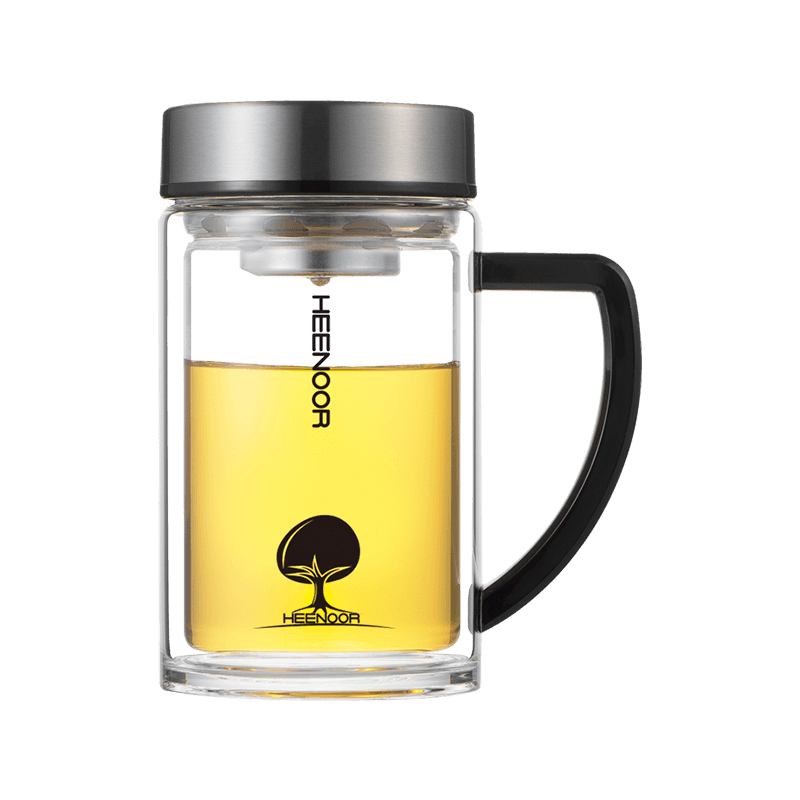
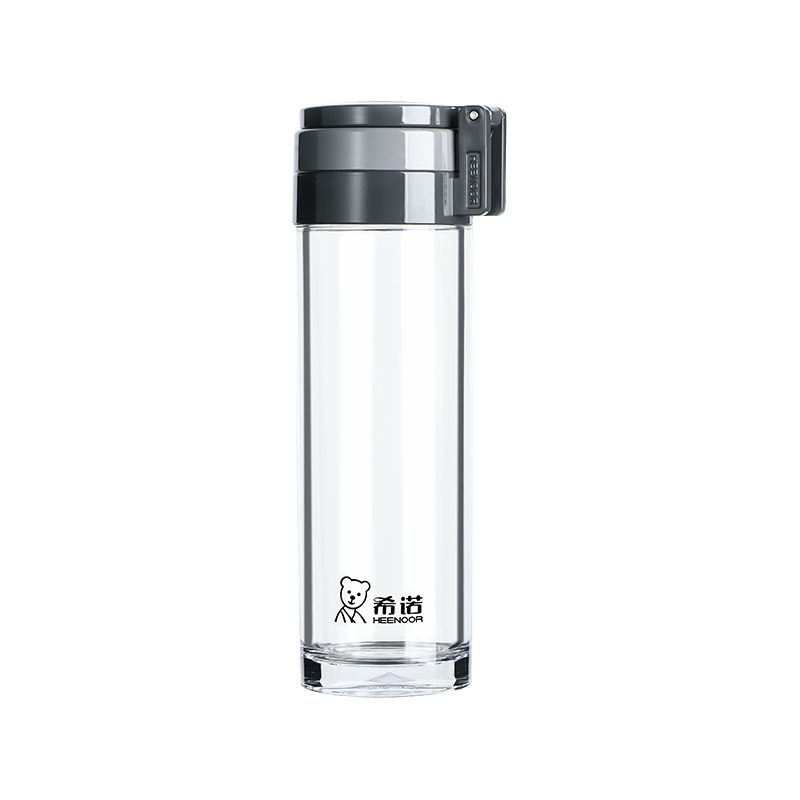
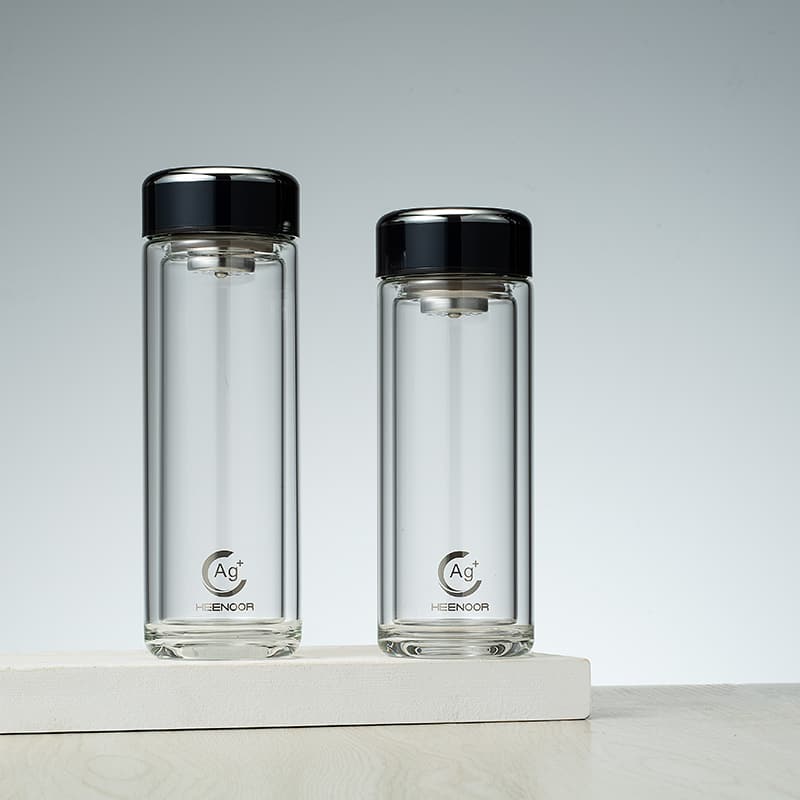 Double-Layer Antibacterial Glass Bottle with Lotus FilterA glass-bodied bottle with a visible interior, silver-ion antibacterial liner, and lotus filter, suited to office or home tea drinking.View Product →
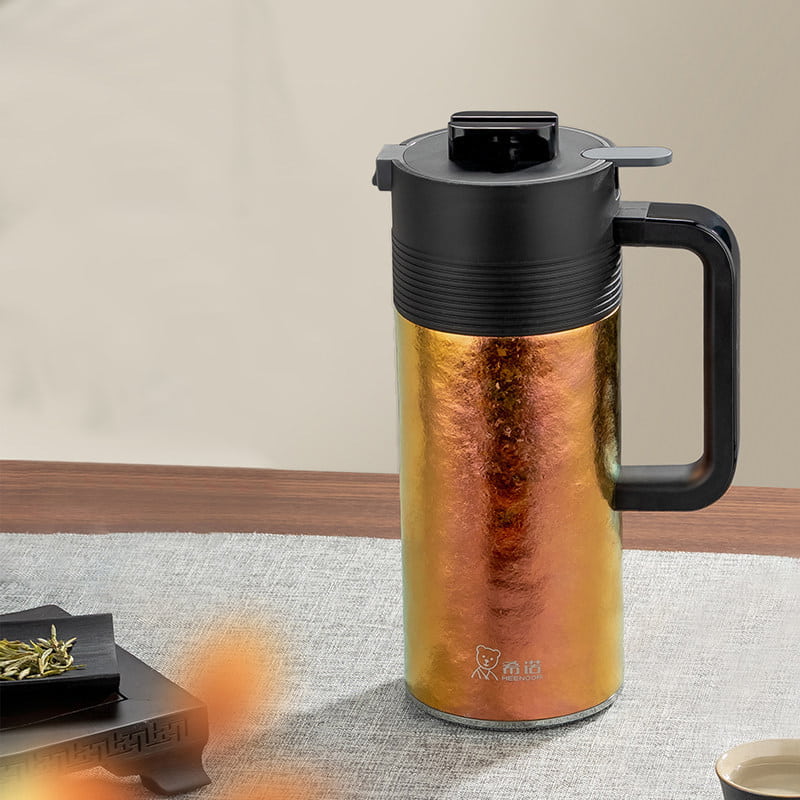
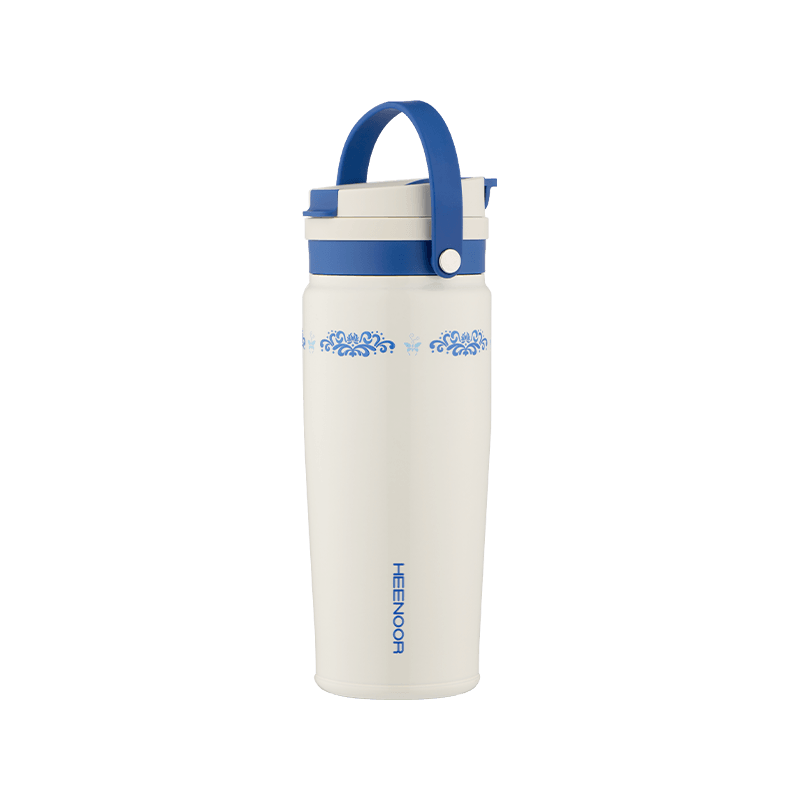
 Pure Titanium Portable Vacuum FlaskA lightweight TA1 titanium flask with double-layer vacuum insulation and a lotus filter, suited to travel, commuting, and office tea.View Product →
Black Mold in a Water Bottle: Why It Grows and How to Remove It for Good
Content
Few things end a good hydration habit faster than tilting your bottle toward the light and seeing dark specks clustered around the gasket. You scrub it, you rinse it, and two weeks later the spots are back. Black mold in a water bottle is one of the most common complaints we hear, and after more than twenty-five years of making drinkware, we have learned that it is almost never a mystery. It is a moisture problem, a design problem, or both — and both can be fixed.
Is It Really Black Mold?
First, some calm framing. The dark rings, speckles and fuzzy patches inside a bottle are usually a mixture of common molds and mildew rather than one notorious species. The fungus most often labelled "black mold" is Stachybotrys chartarum, which prefers wet cellulose such as drywall and paper. Stainless steel, glass and titanium offer it nothing to eat, though a bottle holding juice, smoothie, coffee or tea residue is a different story.
Identifying mold by eye is unreliable, and a photo on a forum is not a diagnosis. Treat dark growth as "mold, probably several kinds", clean it properly, then watch whether it returns. The routine is the same whatever the species turns out to be.
Why It Grows in a Bottle
Mold needs three things: moisture, organic food and time. A sealed water bottle supplies all three generously.
- Water left sitting for days, especially in a warm room or a hot car.
- Residue from anything other than plain water: coffee, tea, juice, smoothies, milk, protein shakes, even electrolyte tablets.
- Hidden geometry — lid gaskets, threads, straw bases, bite valves, the seam where a spout meets a cap.
- Fine scratches in plastic, which hold both moisture and residue.
- A closed lid and a dark gym bag, which together make a warm, humid container.
One practical detail worth knowing: the metal body is rarely the problem. On stainless steel and titanium bottles the growth almost always sits in the rubber seal and the plastic parts around it, which is why replacing a gasket often does more for a smelly bottle than hours of scrubbing the body.
Should You Worry About Drinking From It?
Most people who swallow a little mold from a bottle notice nothing at all. Others report a mild upset stomach, a scratchy throat, or allergy-type symptoms such as sneezing, watery eyes or a cough. Being honest about the evidence: serious illness from a neglected bottle is uncommon, and much of what circulates online overstates the danger.
Some people should still be more careful — anyone with asthma or a known mold allergy, people whose immune system is compromised, young children and older adults. If symptoms persist after you have cleaned or replaced the bottle, speak to a clinician rather than self-diagnosing from a photograph.
How to Clean Black Mold Out of a Water Bottle
- Take the bottle fully apart. Remove the gasket, straw, valve and any cap insert. Mold that survives is usually mold you could not reach.
- Wash everything in hot soapy water with a brush that reaches the base, the shoulder and the threads. Scrub the gasket groove specifically — it is the single most overlooked spot.
- For staining or mineral film, soak for 30 minutes in one part white vinegar to two parts water, or work a baking soda paste into the marks with a soft brush.
- If you want to sanitize, use a dilute bleach solution — roughly one teaspoon of household bleach per quart or litre of cool water, with two minutes of contact — or food-grade hydrogen peroxide. Never mix bleach with vinegar, and never combine cleaning products.
- Rinse thoroughly, then air-dry completely upside down with the lid off, ideally somewhere with airflow rather than inside a closed cabinet.
A dishwasher helps only if every part is rated for one; heat can warp gaskets and open the gaps mold loves. And a vinegar soak is not a sterilizing step — it is good for odour and mineral film, not a substitute for washing.
When Cleaning Stops Working
Some parts are consumables. Gaskets stretch and go cloudy, plastic interiors etch, and lids crack along the seam. If a smell returns within days of a proper clean, or the seal looks pitted and stained no matter what you do, replacement is the honest answer.
| Material | Most likely hiding places | Practical takeaway |
|---|---|---|
| Plastic (Tritan, PC) | Scratches, straw tubes, valve parts | Replace once the interior looks etched or cloudy |
| Glass | Lids, gaskets, threaded collars | Non-porous and fully visible; check the rim for chips |
| Stainless steel | Gasket groove, lid threads, spout seams | The body outlasts the seals — replace seals, not the bottle |
| Titanium | Same as stainless steel | Light, non-porous and resistant to staining and odour |
If you are starting over because the inside of your old bottle became impossible to inspect, glass is a sensible choice: you can see the entire interior, and it does not scratch the way plastic does.
Double-Layer Antibacterial Glass Bottle with Lotus FilterA glass-bodied bottle with a visible interior, silver-ion antibacterial liner, and lotus filter, suited to office or home tea drinking.View Product →Prevention Habits That Actually Work
- Empty and rinse the same day, every day. Topping up with fresh water does not clean a bottle.
- Wash the lid and gasket weekly, not just the body — that is where the growth lives.
- Dry fully before storage, and store with the lid off.
- Do not leave a sealed bottle in a gym bag, backpack or car for days at a time.
- Keep one spare gasket per bottle and swap it out when it turns cloudy.
- Treat anything other than water as food: if you drank a smoothie or a latte from it, wash it that evening.
For anyone who wants a body that will not stain, hold odour or collect scratches, a titanium flask is the low-maintenance route — the material is naturally non-porous, and the interior stays easy to inspect at a glance.
Pure Titanium Portable Vacuum FlaskA lightweight TA1 titanium flask with double-layer vacuum insulation and a lotus filter, suited to travel, commuting, and office tea.View Product →A Note for Brands and Buyers
We build bottles for a living, and complaints about mold shape how we design them. A bottle that is easy to clean is not an accident: wide mouths that a brush actually reaches, gaskets that pull out without tools, thread geometry that does not trap water, lids that come apart for drying. Our team has been making drinkware since 1999 — our company story covers how we work — and much of that experience now goes into the design stage, including custom lid development, where cleanability is treated as a specification rather than an afterthought.
Black mold in a water bottle is rarely a sign that the bottle is ruined. It is usually a sign that something stayed damp a little too long, in a spot a brush never reached. Clean it properly once, replace the gasket if it has gone cloudy, and let the bottle dry open between uses — that single habit resolves most of the cases we hear about.
You may also like…
Copyright © 2025 Heenoor Co., Ltd. All Rights Reserved.
 Custom Stainless Steel Drinkware Manufacturers
BACK TOP