 English
 中文简体
 日本語
 Español
 عربى

Search
Categories
Recommend
Categories
 Company news
Recommend
-
 Industry news
-
 Industry news
-
 Industry news
-
 Industry news
Nov 04, 2026 - By admin
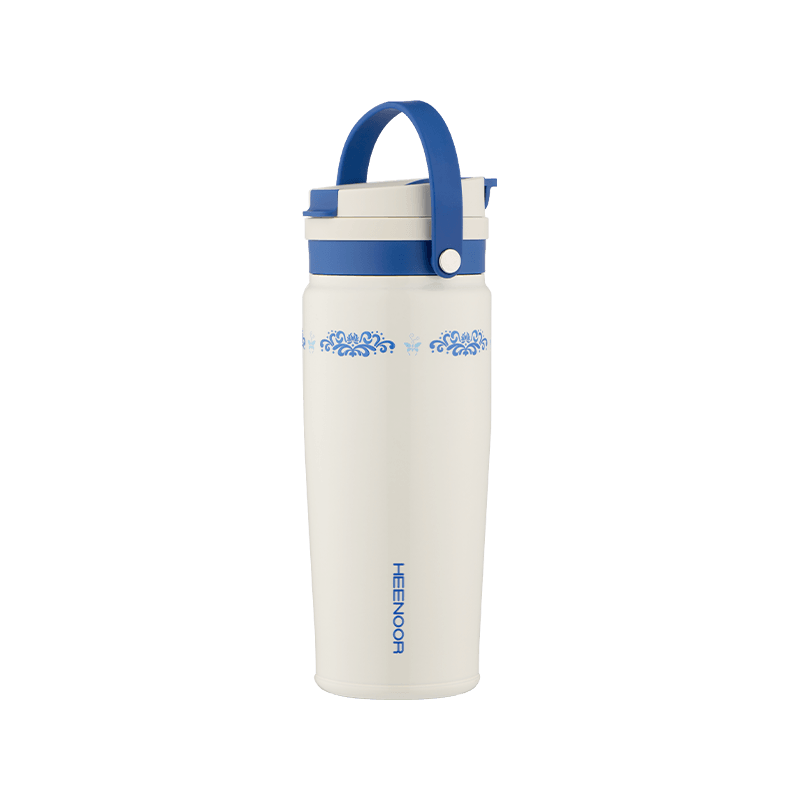
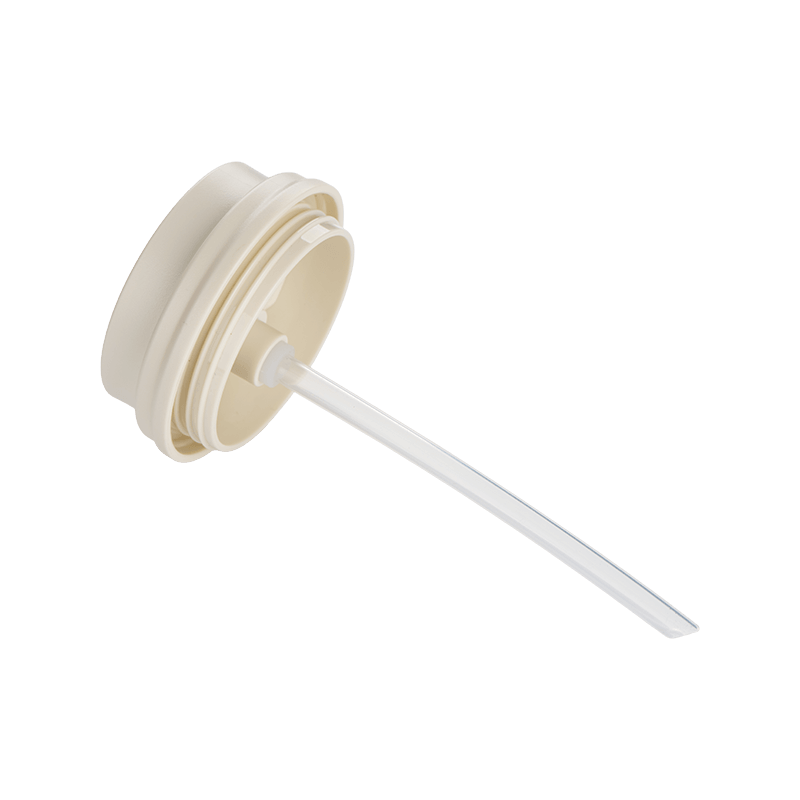
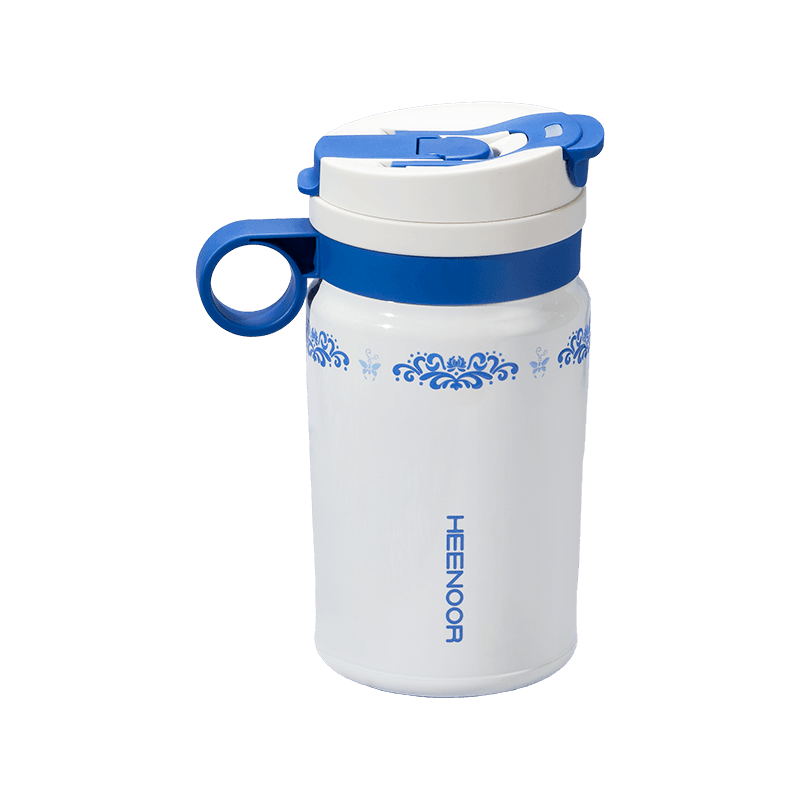
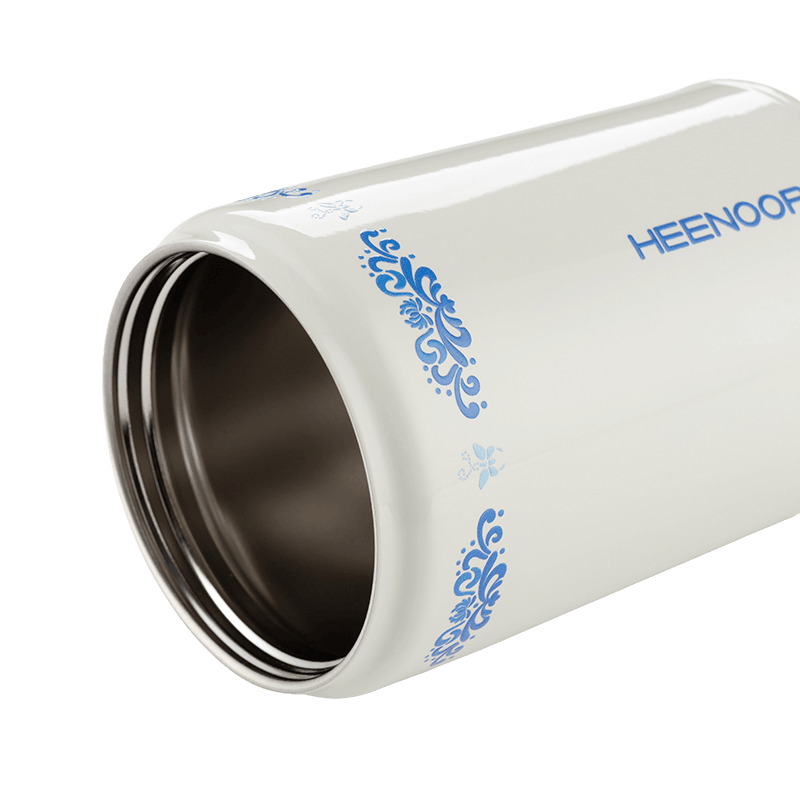 HEENOOR Xinyao Dual-Drink Insulated Coffee Tumbler 380 mlA 380 ml stainless steel vacuum tumbler with a dual-drink lid, tea strainer, and leak-resistant sealing ring for commuting or desk use.View Product →
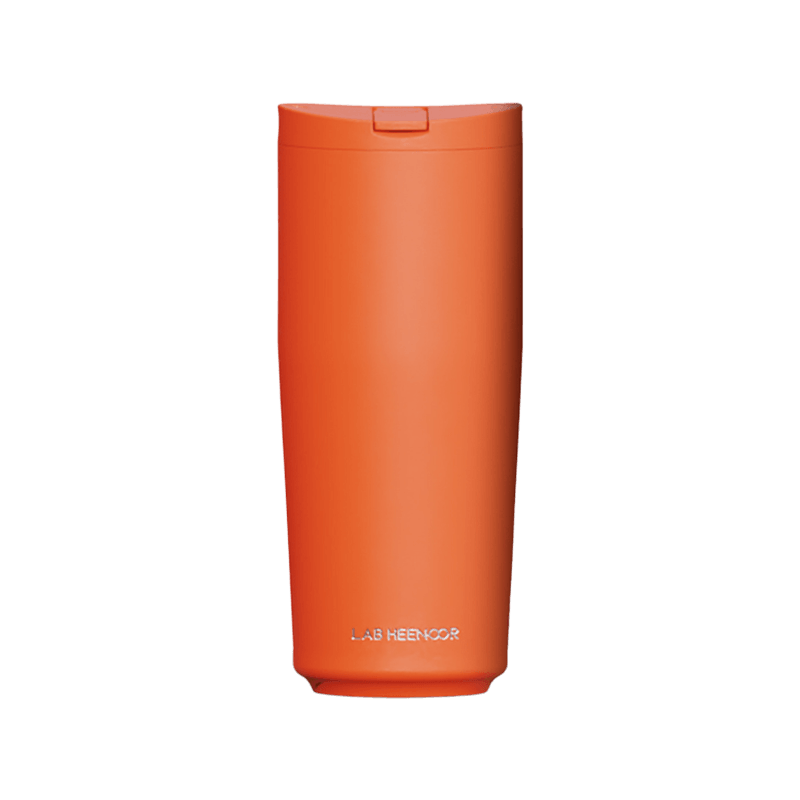
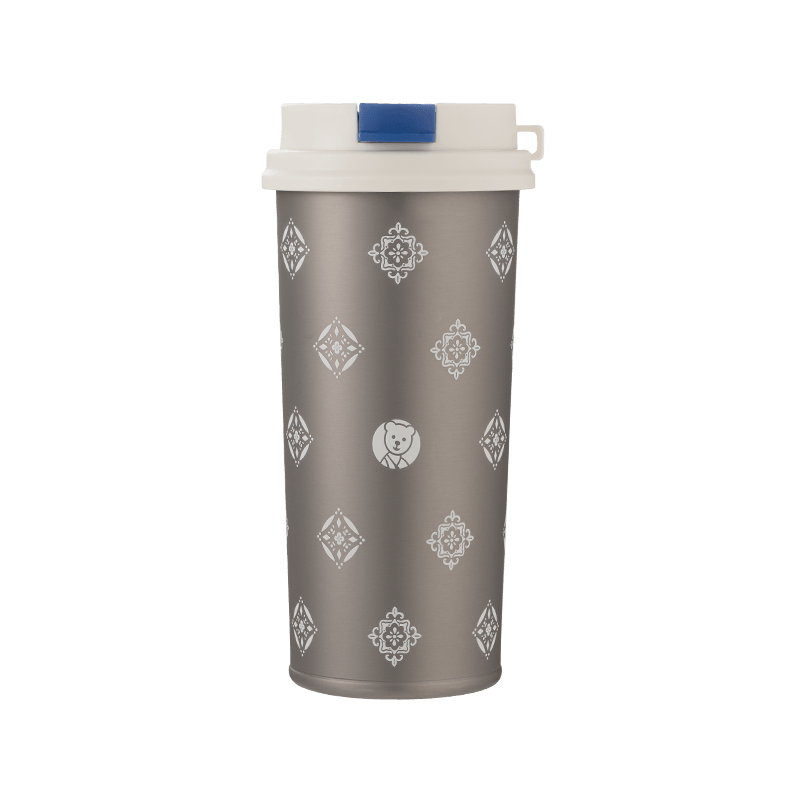
 HEENOOR Xinyao Portable Insulated Coffee Tumbler 510 mlA 510 ml vacuum-insulated tumbler with 316L stainless steel liner, one-push lid, and wide opening for commuting, camping, or gym drinks.View Product →
Baking Soda Coffee Hack: A Tiny Pinch for Smoother, Less Bitter Coffee
Content
The first time someone suggested adding baking soda to coffee, I pictured a fizzy kitchen experiment. But the baking soda coffee hack is less dramatic than it sounds. It is a small adjustment for people who love coffee but find certain cups too sharp, sour, or bitter. Used carefully, a tiny pinch can round off the edges without turning your morning brew into a science project. Used carelessly, it can make coffee taste salty and flat. The difference is mostly in the dose.
What the Baking Soda Coffee Hack Actually Does
Baking soda is sodium bicarbonate, an alkaline powder. Coffee is naturally acidic, though the exact pH depends on the bean, roast, and brew method. Compounds such as chlorogenic acid, citric acid, malic acid, and acetic acid contribute to that brightness. When you add a very small amount of baking soda, it neutralizes some of those acids.
The result is not an acid-free cup. It is a cup with less sharpness and, often, less perceived bitterness. That happens partly because sourness and bitterness balance each other; when the acidic edge drops, harsh notes can feel softer. The hack does not remove caffeine, improve stale beans, or replace good brewing. It is a tuning tool.
How Much Baking Soda Should You Add?
Start lower than you think you need. A pinch is about 1/16 teaspoon, but even that can be too much for a small, delicate cup. Stir it into the finished coffee, wait about 30 seconds, and taste before adding more. If you are adjusting a whole pot, dissolve the baking soda in a spoonful of hot coffee first so it distributes evenly.
| Brew size | Starting amount | What to expect |
|---|---|---|
| 8-10 oz cup | 1/16 tsp, a small pinch | Stir and taste after 30 seconds; add no more than another 1/16 tsp. |
| 12-16 oz mug | 1/16 to 1/8 tsp | Dissolve in a spoonful of coffee first, then stir in. |
| 8-cup pot | 1/8 to 1/4 tsp | Begin at 1/8 tsp; add more only after tasting. |
| 16 oz cold brew, diluted | 1/16 tsp | Stir into the finished drink, not the concentrate. |
For repeatable results, use a measuring spoon. For everyday use, a small pinch between thumb and finger is enough. If the coffee tastes salty, soapy, or oddly flat, you crossed the line; next time use half as much.
Three Ways to Try It
In the Cup
Brew your coffee as usual. Add a small pinch to an 8-10 ounce cup, stir, and wait half a minute. This is the safest method because you can adjust one cup at a time. It works with drip, French press, pour-over, and espresso, though espresso needs an extra-light hand because the volume is so small.
In the Grounds
Some people mix a pinch into the dry grounds before brewing. I find this less predictable. The baking soda can cling to the filter or change extraction, and it is harder to correct once the whole pot is made. If you want to try it, use half the amount you would add to a cup and taste before serving.
In Cold Brew
Cold brew is often smooth already, but a harsh batch can benefit from a tiny pinch. Add it after diluting the concentrate, not before. Stir, taste, and stop there. Cold brew also changes as it sits, so judge the cup you are drinking rather than the whole bottle.
What It Does to Flavor, Temperature, and Your Routine
Temperature changes how you perceive acidity and bitterness. A coffee that tastes balanced when hot can seem sour as it cools, and a cup left on a warmer can turn harsh. The baking soda adjustment is easiest to judge at a steady drinking temperature. That is where good drinkware helps. An insulated tumbler will not alter the chemistry, but it keeps the coffee at a consistent temperature so you can taste what you actually mixed. In our own drinkware work, we have learned that heat retention is only useful when it is paired with a comfortable drinking experience.
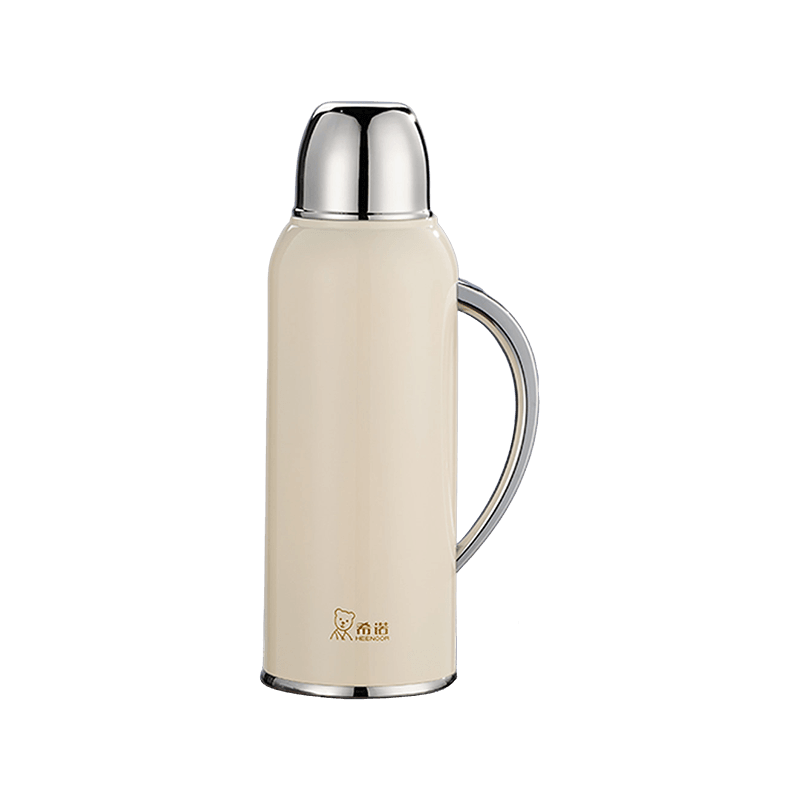
For larger batches, a stainless steel vacuum flask can keep the coffee hot without continuing to cook it. For a single serving, a double-drink coffee tumbler is handy if you like to switch between sipping and a straw.
HEENOOR Xinyao Dual-Drink Insulated Coffee Tumbler 380 mlA 380 ml stainless steel vacuum tumbler with a dual-drink lid, tea strainer, and leak-resistant sealing ring for commuting or desk use.View Product →
A portable coffee tumbler is easier to carry on a commute or to a desk, and it lets the coffee settle at a drinkable temperature before you take the first sip.
HEENOOR Xinyao Portable Insulated Coffee Tumbler 510 mlA 510 ml vacuum-insulated tumbler with 316L stainless steel liner, one-push lid, and wide opening for commuting, camping, or gym drinks.View Product →Who Should Be Careful With Baking Soda in Coffee
Sodium is the main caution. A 1/16 teaspoon of baking soda contains roughly 80 mg of sodium; 1/8 teaspoon is closer to 150 mg. That is modest, but it adds up if you are on a sodium-restricted diet or drink several cups. Baking soda can also interact with medications and is not suitable for everyone with kidney or heart conditions. If you are trying to manage acid reflux or another health issue, speak with a clinician. Do not use coffee as a delivery system for a baking soda regimen.
Common Myths
- More is not better. A tablespoon will not make a super-smooth cup; it will make a salty, soapy one.
- Baking powder is not a swap. It contains an acid and cornstarch, so it behaves differently.
- It does not remove caffeine. It changes the acid balance, not the stimulant.
- It is not a health tonic. The amount in a cup is small and should not replace medical advice.
Frequently Asked Questions
Does baking soda change the caffeine content of coffee?
No. It does not add or remove caffeine. It changes how acidic and bitter the coffee tastes, which can make the cup feel softer.
Can I use baking powder instead?
No. Baking powder contains an acid and cornstarch, and it will not give you the same effect. Use plain baking soda, and only a tiny amount.
Will it work with cold brew?
Yes, but add it after dilution. Cold brew concentrate is strong, and it is easy to overdo the baking soda. Start with 1/16 teaspoon per 16 ounces of diluted cold brew.
How do I know if I added too much?
The coffee may taste salty, soapy, metallic, or flat. There is no reliable fix except dilution or making a fresh pot, so start with less next time.
A Simple Starting Recipe
- Brew 8-10 ounces of your usual coffee.
- Measure 1/16 teaspoon of baking soda, or take a small pinch.
- Stir it into the hot coffee and wait 30 seconds.
- Taste. If the cup is still sharp, add another tiny pinch.
- Write down what you used so the next cup is easier to repeat.
Final Thoughts
The baking soda coffee hack is a small, practical trick, not a magic fix. It works best when you use less than you think you need and judge the result in the cup rather than in the pot. If you love bright, acidic coffee, you may not want it at all. If you want a softer, rounder daily cup, a tiny pinch can be a useful tool, especially when your coffee stays at a steady drinking temperature.
You may also like…
Copyright © 2025 Heenoor Co., Ltd. All Rights Reserved.
 Custom Stainless Steel Drinkware Manufacturers
BACK TOP