 English
 中文简体
中文简体 日本語
日本語 Español
 عربى
عربى
Search
Categories
Recommend
Categories
 Company news
Recommend
-
 Industry news
 -
 Industry news
 -
 Industry news
 -
 Industry news
Oct 09, 2026 - By admin
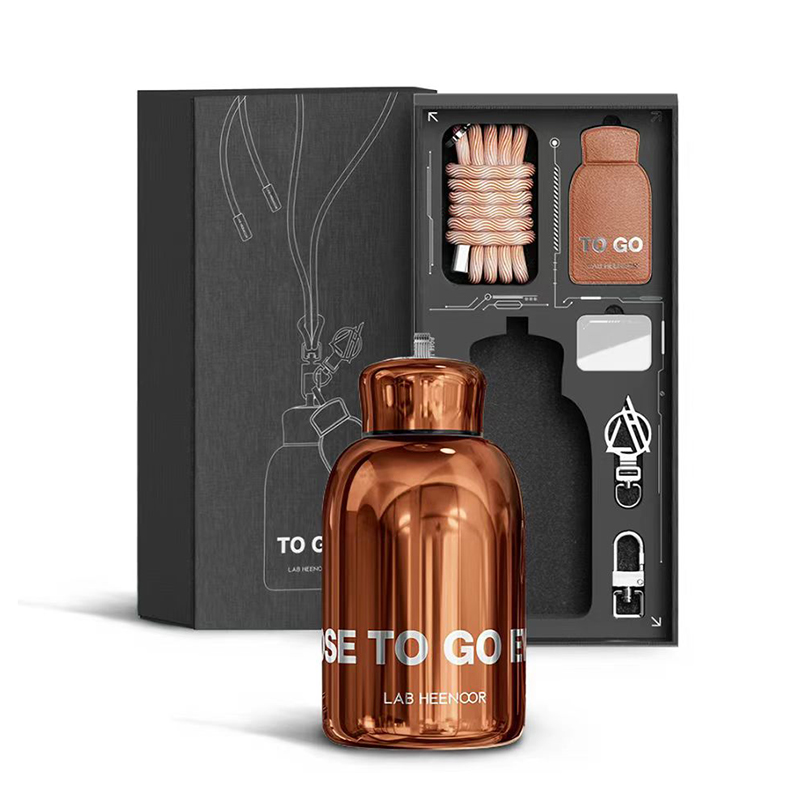
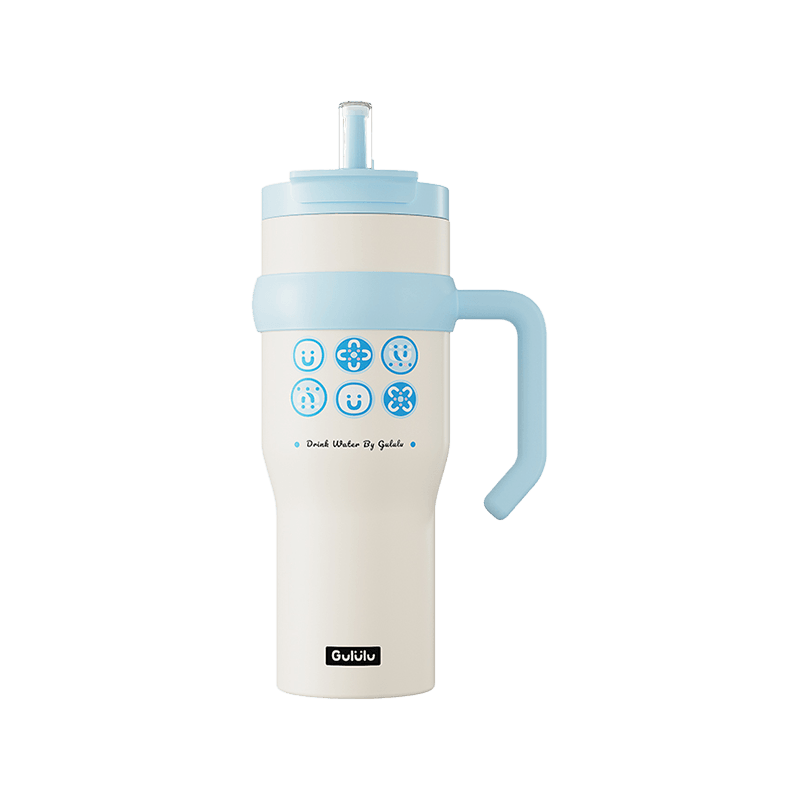
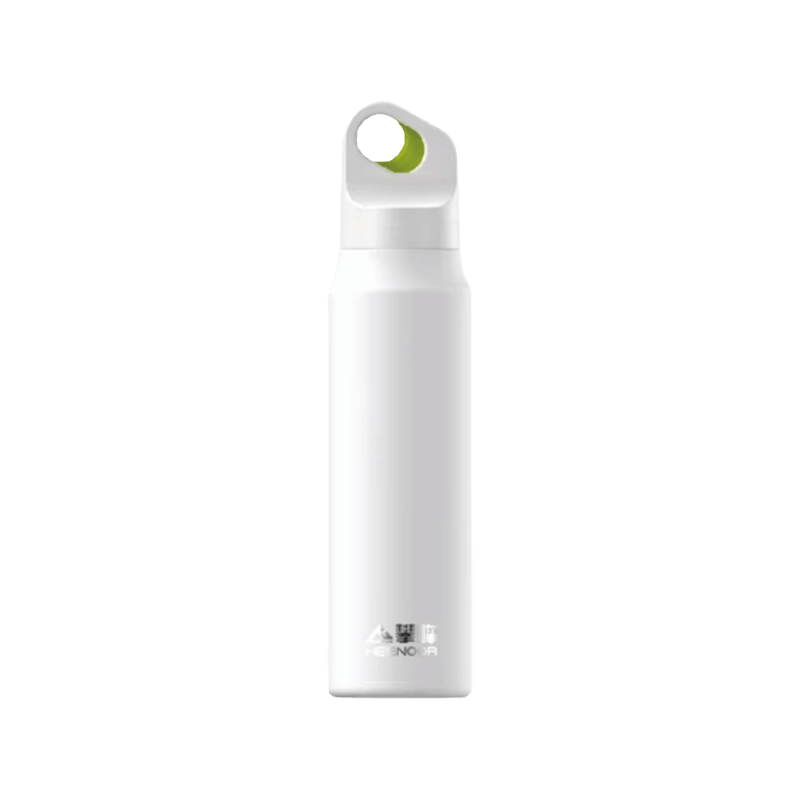
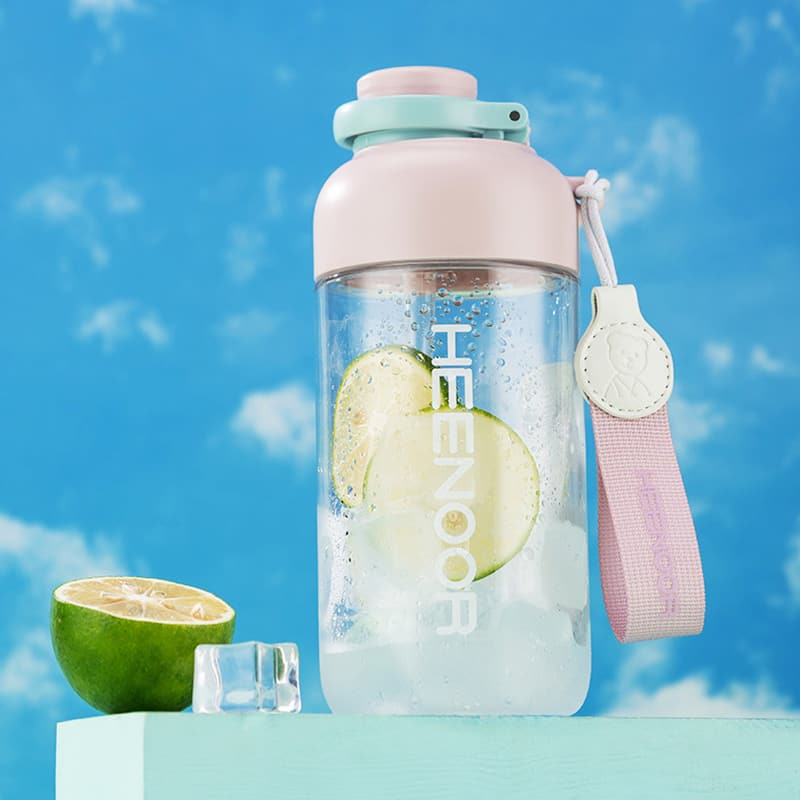 Tritan Sports Straw Bottle with Leak-Proof Locking LidA reusable BPA-free Tritan sports bottle with leak-proof lid, straw, and carry options, suited to daily commuting and outdoor hydration.View Product →
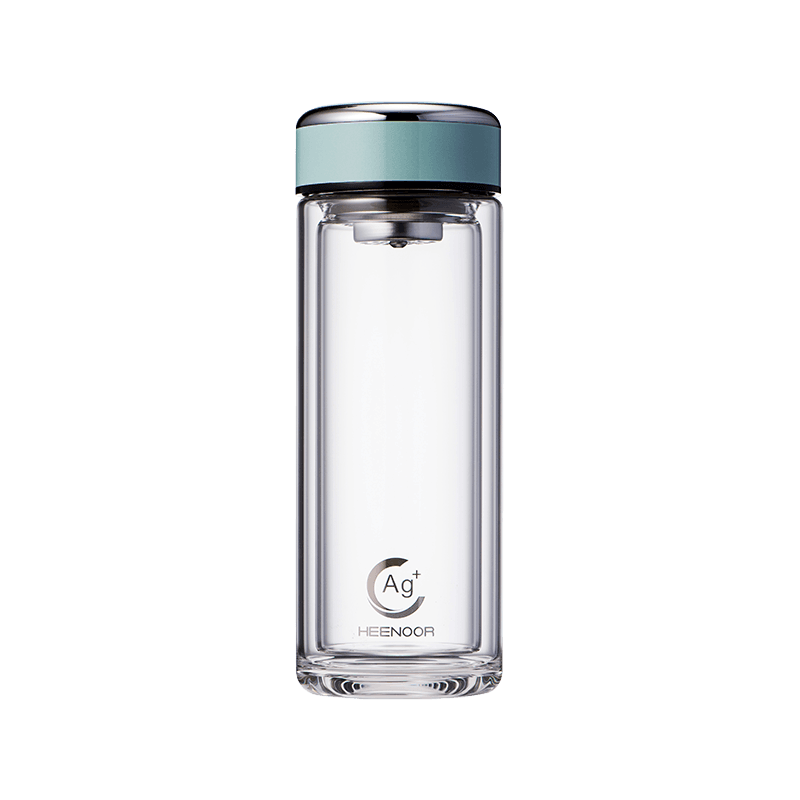
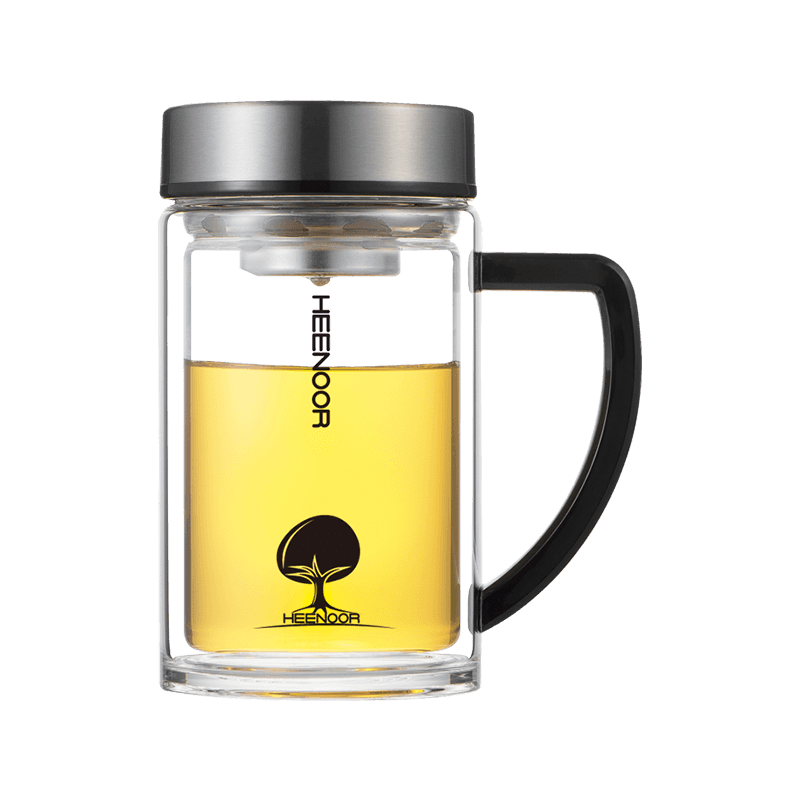
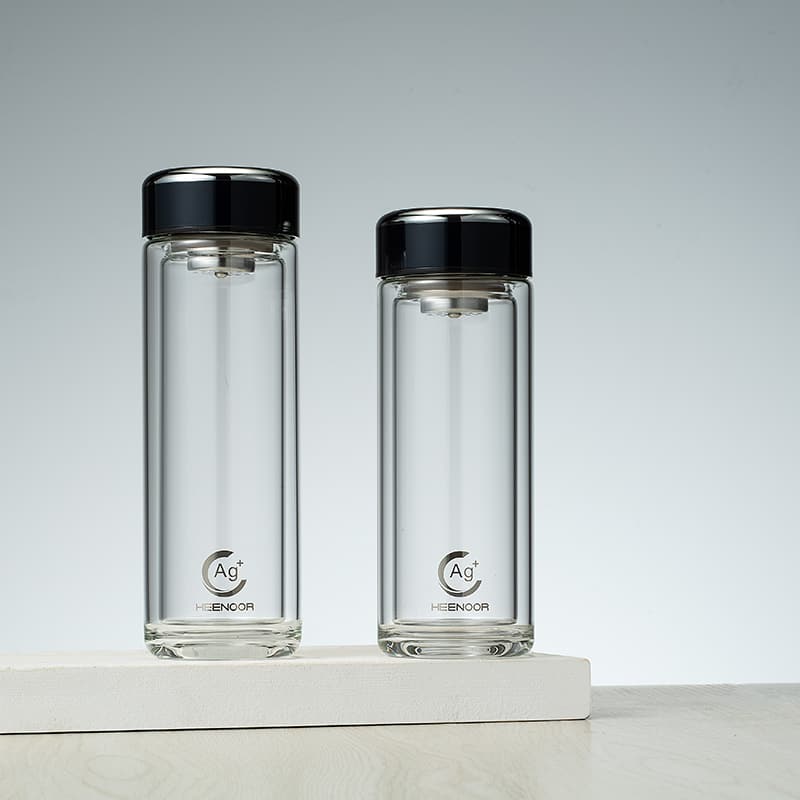 Double-Layer Antibacterial Glass Tea Cup with Steel FilterA vacuum double-layer borosilicate glass bottle with 304 stainless steel filter and silver-ion antibacterial liner, suited to office or home tea drinking.View Product →
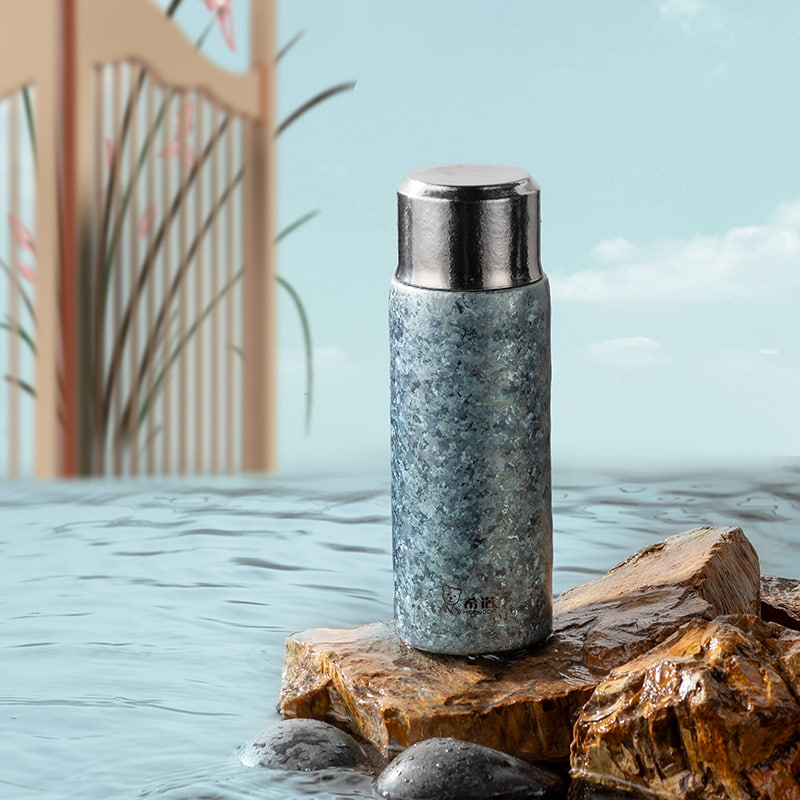
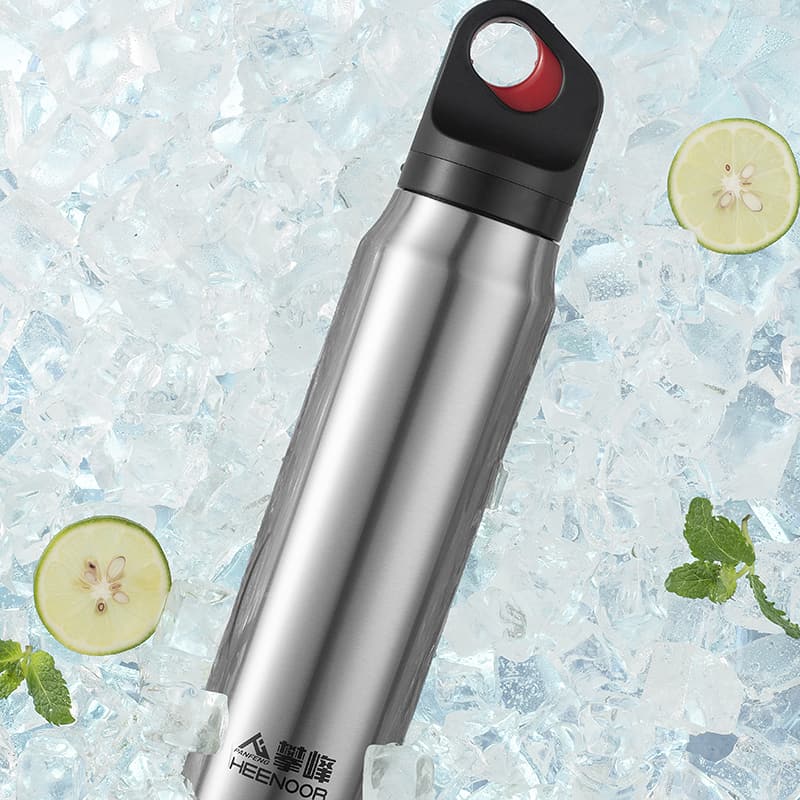 Stainless Steel Vacuum Flask for Outdoor SportsA 630 ml vacuum flask with SUS316L inner, silver-ion antibacterial liner, one-hand lid, and non-slip base for commuting, camping, and workouts.View Product →
are plastic cups bad for you: Applications, Selection Criteria, and Practical Guidance
Content
- 1 The Short Answer: Sometimes, and Usually for Predictable Reasons
- 2 What in a Plastic Cup Actually Raises Concern
- 3 Which Plastics Are Considered Lower Risk
- 4 Everyday Habits That Make Any Plastic Cup Riskier
- 5 Signs It Is Time to Retire a Plastic Cup
- 6 If You Would Rather Not Think About It: Glass, Stainless Steel and Titanium
- 7 How to Keep Using Plastic Cups More Safely
- 8 Quick Answers to Common Questions
Ask anyone who works in the drinkware business and they will tell you the same thing: "are plastic cups bad for you" is one of the most common questions we hear. The honest answer is that plastic is not a single material, and "bad" depends on which plastic you mean, what you pour into it, and how long you keep using it. A clean, correctly labelled cup holding cold water is a very different object from a scratched, decade-old shatterproof bottle filled with boiling coffee. Here is what the evidence actually supports, and where you can reasonably stop worrying.
The Short Answer: Sometimes, and Usually for Predictable Reasons
For most people, drinking cold or lukewarm water from a clean, undamaged, food-grade plastic cup is not considered a serious health risk. Food-safety authorities in the EU, the US and elsewhere permit these materials for food contact, and they set limits on how much of any additive may migrate into your drink.
The concern appears when those limits are pushed: hot liquids, microwave heating, harsh dishwasher cycles, deep scratches, a sun-baked car, and years of repeated reuse. Bisphenol A and phthalates are the additives most often studied, and the newer research on microplastics adds a layer we are all still learning to read.
What in a Plastic Cup Actually Raises Concern
Three things do most of the work here: the additives that give plastic its useful properties, the particles it sheds, and the conditions we put it through.
Bisphenol A and Its Replacements
BPA is a building block of polycarbonate, the hard, clear, nearly unbreakable plastic used in older reusable bottles and cups. Because it can interfere with hormone signalling, many countries restricted BPA in baby bottles and children's drinking products more than a decade ago. Manufacturers responded with "BPA-free" lines, often built on BPS or BPF instead. Later research suggests those substitutes are not automatically harmless, so BPA-free is reassuring rather than a guarantee.
Phthalates and Other Plasticizers
Phthalates are what make rigid plastics flexible. They are most strongly associated with PVC, which is rare in modern drinkware but still turns up in cheap novelty items and some seals. Because phthalates are fat-soluble, they are more likely to move into milk, creamy coffee or oily drinks, particularly when the liquid is warm.
Microplastics and Heat
Every plastic surface sheds tiny particles over time. Studies have found that the amount released climbs with temperature, which makes hot water in a plastic container the worst-case scenario. What those particles do inside the human body is still an open question, and that uncertainty is exactly why a precautionary approach makes more sense than either panic or denial.
Which Plastics Are Considered Lower Risk
The number inside the recycling triangle on the base of a cup tells you what you are holding. It is not a complete safety rating, but it is a useful starting point.
| Code | Material | Where you see it | Worth knowing |
|---|---|---|---|
| #1 | PET | Clear water and soda bottles | Designed for one fill; heat and reuse increase migration. |
| #2 | HDPE | Milk jugs, thicker bottles | Low concern for cold drinks; not intended for hot liquids. |
| #3 | PVC | Novelty cups, some seals | Often contains phthalates; best avoided. |
| #4 | LDPE | Flexible lids, sport caps | Soft and generally low concern. |
| #5 | PP | Reusable cups, lunch boxes | Heat-resistant and widely regarded as the safer reusable option. |
| #6 | PS | Foam and takeaway cups | Can release styrene with hot drinks; not for reheating. |
| #7 | PC / Other | Older shatterproof bottles | Often polycarbonate with BPA; check before daily use. |
If you are deliberately buying a reusable plastic bottle, look for #5 polypropylene or a BPA-free copolyester such as Tritan. Both are made for repeat use rather than a single trip home from the shop, which is why we build our own sports bottles from them.
Tritan Sports Straw Bottle with Leak-Proof Locking LidA reusable BPA-free Tritan sports bottle with leak-proof lid, straw, and carry options, suited to daily commuting and outdoor hydration.View Product →Everyday Habits That Make Any Plastic Cup Riskier
Material matters, but behaviour matters just as much. The same cup can be a sensible choice at room temperature and a poor one at 90°C.
- Pouring boiling water or hot tea into a thin plastic cup.
- Microwaving, or washing on the hottest dishwasher cycle.
- Scrubbing with abrasive pads, leaving scratches where residue and particles collect.
- Leaving bottles in a hot car or in direct summer sun.
- Storing acidic juices or milky drinks for days.
- Refilling single-use bottles marked #1, which were never designed for a second life.
- Keeping a cloudy, scratched cup simply because it still holds water.
Signs It Is Time to Retire a Plastic Cup
Plastic does not fail suddenly, it ages. These are the signals we look for on a returned sample.
- A surface that has gone cloudy, chalky or visibly scratched.
- Cracks around the rim, threads or base.
- A smell that survives washing.
- Flaking, peeling or discoloured inner surfaces.
- An unidentified plastic, or a #7 marking with no further information.
- Two or more years of daily use with hot drinks.
None of these makes a cup instantly dangerous, but together they mean the material is no longer being used under the conditions it was tested for. Replacing a cup costs very little, and that is the whole point.
If You Would Rather Not Think About It: Glass, Stainless Steel and Titanium
This is where we spend most of our engineering time, not because plastic is villainous, but because plenty of people would rather not run a mental calculation every morning.
Glass
Glass is inert. It needs no additives to be clear or rigid, so there is nothing to migrate into your drink, and it does not hold on to flavours. The trade-offs are weight and breakage, which is why double-wall designs with a protective outer shell exist.
Double-Layer Antibacterial Glass Tea Cup with Steel FilterA vacuum double-layer borosilicate glass bottle with 304 stainless steel filter and silver-ion antibacterial liner, suited to office or home tea drinking.View Product →
Stainless Steel and Titanium
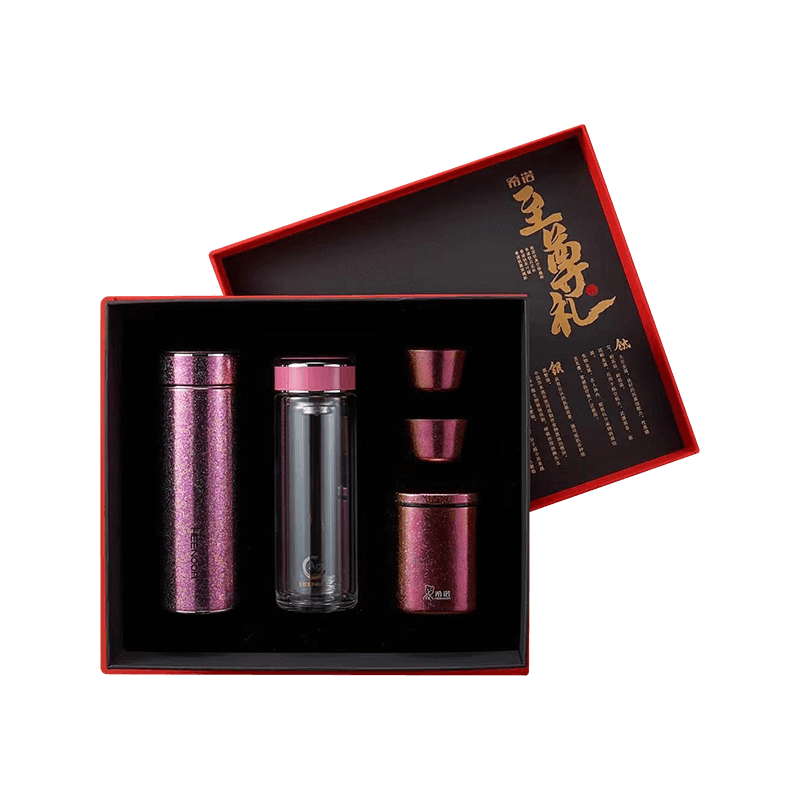
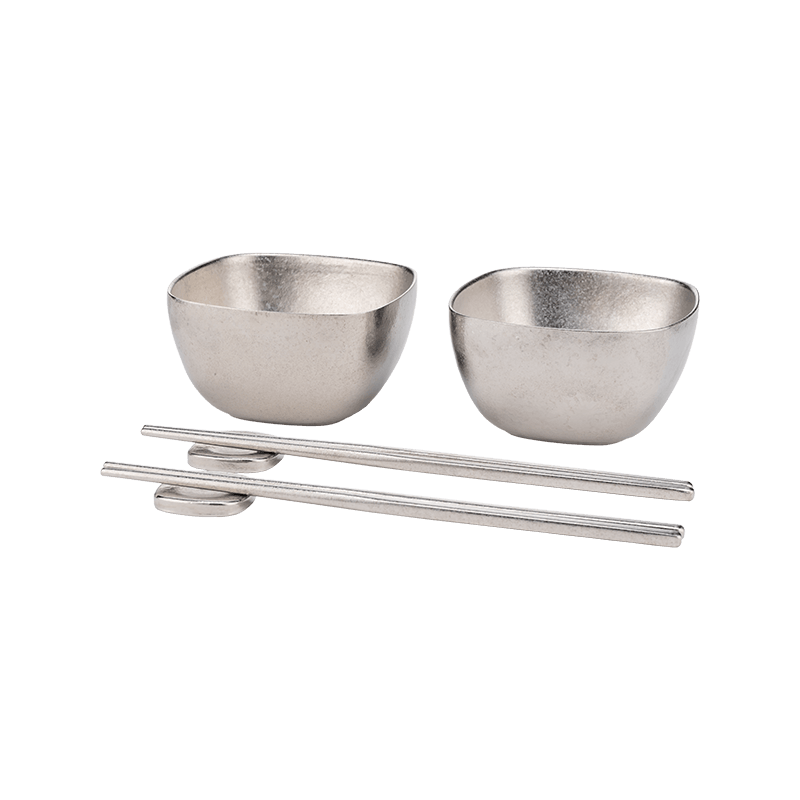
Vacuum-insulated stainless steel keeps drinks hot or cold for hours with no plastic anywhere in the drinking path, provided the steel is a food-grade 304 or 316. Titanium goes a step further: it is lighter, completely inert and adds no metallic taste, which is why we use it across our tea and coffee ranges. If insulation performance is what you are weighing up, our guide to choosing an insulated water bottle covers the details that actually change daily experience.
Stainless Steel Vacuum Flask for Outdoor SportsA 630 ml vacuum flask with SUS316L inner, silver-ion antibacterial liner, one-hand lid, and non-slip base for commuting, camping, and workouts.View Product →How to Keep Using Plastic Cups More Safely
If plastic cups stay in your routine, a few simple habits keep them within the range they were designed for.
- Match the material to the drink: cold or lukewarm in plastic, hot drinks in glass, stainless steel or titanium.
- Check the resin code and buy from suppliers who can tell you exactly what the material is.
- Avoid microwaving plastic cups and bottles, even ones labelled microwave safe.
- Wash by hand with a soft sponge and mild soap, and run the dishwasher on a gentler cycle.
- Retire single-use bottles after a single fill.
- Replace anything with deep scratches, cracks or a lingering smell.
- Keep plastic out of hot cars and prolonged direct sunlight.
Quick Answers to Common Questions
Is drinking from a plastic cup every day harmful?
For most healthy adults, there is no clear evidence that daily use of a clean, undamaged, food-grade plastic cup causes harm. Risk rises with heat, wear and age, so treat plastic as a cool-drink material and rotate older cups out of service.
Are plastic cups worse than plastic bottles?
Not inherently. What matters is resin type, wall thickness and how the item is used. A thick #5 cup for cold water is usually a lower concern than a thin #1 bottle refilled for weeks on end.
Does "BPA-free" mean safe?
It means BPA was replaced, most often with a chemically similar substitute. That is a genuine improvement for the specific concern of BPA, but it is not proof that nothing else can migrate.
Does freezing plastic release chemicals?
Cold slows migration rather than speeding it up. Heat and wear are the bigger variables, so a bottle frozen overnight is far less of a worry than the same bottle left on a sunny dashboard.
Plastic cups are neither poison nor perfectly inert. They are a useful material with clear limits, and those limits are mostly about temperature, wear and time. Use the right material for the right drink, replace cups that have aged, and do not heat plastic you intend to drink from. That covers the vast majority of the concern.
We have been making drinking vessels since 1999, across plastic, glass, stainless steel and titanium. If you would like to see how that work is organised and tested, our factory and quality story is a good place to start.
You may also like…
Copyright © 2025 Heenoor Co., Ltd. All Rights Reserved.
 Custom Stainless Steel Drinkware Manufacturers
BACK TOP