 English
 中文简体
中文简体 日本語
日本語 Español
 عربى
عربى
Search
Categories
Recommend
Categories
 Company news
Recommend
-
 Industry news
 -
 Industry news
 -
 Industry news
 -
 Industry news
Aug 14, 2026 - By admin
What Is the Best Thermal Insulated Water Bottle : The Complete Practical Buyer Guide
Content
- 1 What Is the Best Thermal Insulated Water Bottle
- 2 How Insulated Water Bottles Work: The Physics That Determines Performance
- 3 Insulated Water Bottles: What Features Actually Matter and Which Are Marketing Noise
- 4 Plastic Water Bottle: When It Outperforms Insulated Stainless Steel
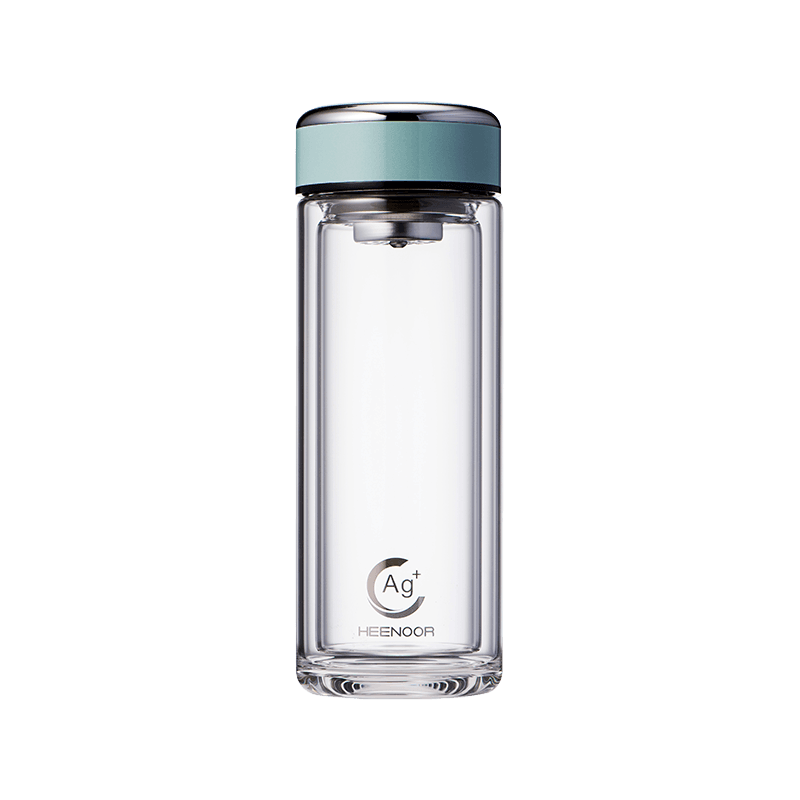
- 5 Glass Water Bottle: The Purity Choice and When It Makes Sense
- 6 Choosing Between Insulated Water Bottles, Plastic Water Bottle, and Glass Water Bottle: The Complete Decision Guide
- 7 Caring for Insulated Water Bottles, Plastic Water Bottle, and Glass Water Bottle
- 8 Frequently Asked Questions
- 8.1 1. What is the best thermal insulated water bottle for daily use?
- 8.2 2. How long do insulated water bottles actually keep drinks cold?
- 8.3 3. Is a plastic water bottle safe to use every day?
- 8.4 4. Can I put hot coffee in a glass water bottle?
- 8.5 5. Why do some insulated water bottles sweat on the outside and others do not?
- 8.6 6. What is the difference between a plastic water bottle and an insulated water bottle for sports?
- 8.7 7. How do I remove the smell from my insulated water bottle?
- 8.8 8. Is a glass water bottle better than plastic for taste?
- 8.9 9. What size insulated water bottle should I buy?
- 8.10 10. How long does a quality insulated water bottle last?
What Is the Best Thermal Insulated Water Bottle
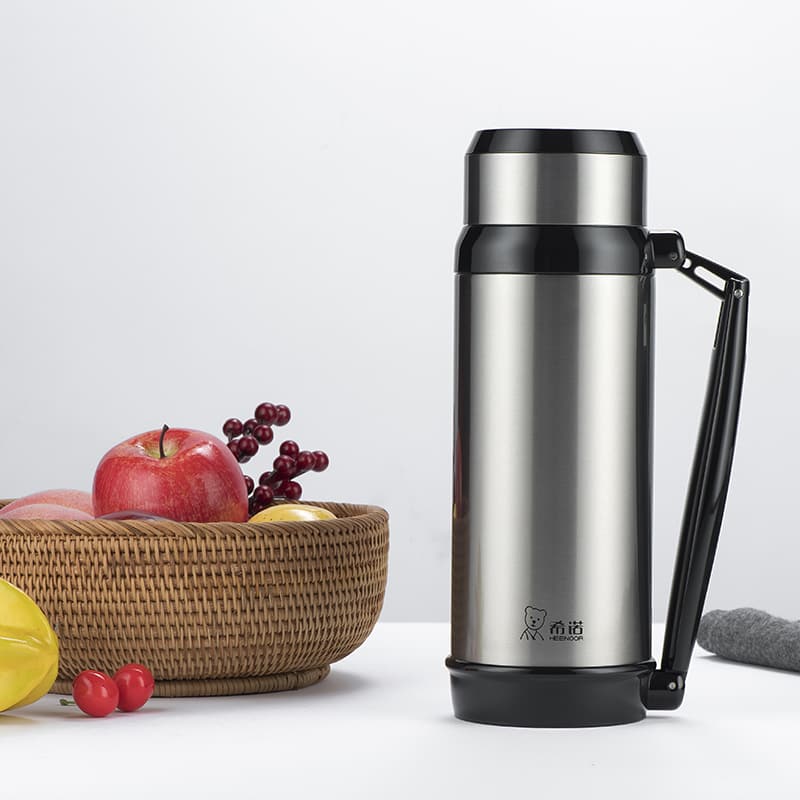
The best thermal insulated water bottle for most people is a double-wall vacuum-insulated stainless steel bottle in the 20 to 32 ounce (600 to 950 ml) size range, with a leakproof lid, a powder-coated exterior for grip and durability, and a wide mouth for easy filling, cleaning, and ice insertion. In this category, bottles from established brands consistently keep beverages cold for 24 hours and hot for 12 hours under real-world conditions, which is the performance benchmark that separates genuine vacuum insulation from cheaper single-wall or foam-insulated alternatives.
That said, the best insulated water bottle for any individual depends on three practical factors: where the bottle will be used (gym, office, hiking, commuting), what it will carry (cold water, hot coffee, protein shakes, carbonated drinks), and how important weight versus durability is for the activity. A plastic water bottle is lighter and often more suitable for high-output exercise where frequent drinking from a soft squeeze body matters more than temperature retention. A glass water bottle delivers the purest taste with zero chemical interaction risk and is the best choice for users who prioritize flavor integrity over durability and portability. For the majority of daily use cases where temperature retention, durability, and long-term value are the priority, vacuum insulated water bottles made from 18/8 food-grade stainless steel are the clear winner.
How Insulated Water Bottles Work: The Physics That Determines Performance
Understanding how insulated water bottles work explains immediately why some bottles keep drinks cold for 6 hours while others keep them cold for 24, and why you should never judge thermal performance from marketing claims alone without checking the specific insulation technology used.
The Three Heat Transfer Pathways That Insulated Water Bottles Must Block
Heat moves from the environment into your cold drink (or out of your hot drink) through three physical mechanisms, and effective insulated water bottles must address all three:
- Conduction: Heat travels through direct contact between materials. A single-wall metal bottle conducts heat directly from your warm hand or the warm air around the bottle into the liquid inside. Double-wall construction with a vacuum gap between the inner and outer walls eliminates the solid material path for conduction, because a vacuum contains no molecules to conduct heat through.
- Convection: Heat transfers through the movement of fluid (liquid or gas) between the bottle wall and the contents, or between the bottle exterior and the surrounding air. The vacuum layer in double-wall insulated water bottles eliminates convective heat transfer in the wall because a vacuum contains no gas molecules to circulate and carry heat.
- Radiation: All objects emit thermal radiation (infrared energy) proportional to their temperature. Even across a vacuum, the inner and outer walls of a double-wall bottle can exchange heat by radiation. Premium insulated water bottles apply a reflective coating (typically copper or mirror-polished stainless steel) to the interior surfaces of the vacuum gap to reflect this radiated heat back, reducing radiative heat transfer by 90% or more and extending cold retention from approximately 8 hours (uncoated vacuum) to 24 hours (copper-coated vacuum).
Double Wall Vacuum vs Single Wall vs Foam Insulated: Real Performance Comparison
| Insulation Type | Cold Retention | Hot Retention | Condensation on Exterior | Typical Weight (20 oz) | Price Range |
|---|---|---|---|---|---|
| Double wall vacuum (copper-coated) | 20 to 24 hours | 12 hours | None | 290 to 360 g | USD 25 to USD 65 |
| Double wall vacuum (uncoated) | 8 to 12 hours | 6 to 8 hours | None | 260 to 320 g | USD 15 to USD 30 |
| Foam insulated (plastic outer) | 4 to 6 hours | 2 to 3 hours | Minimal | 200 to 280 g | USD 10 to USD 20 |
| Single wall stainless or plastic | 1 to 2 hours | Under 1 hour | Heavy (cold drinks) | 100 to 180 g | USD 5 to USD 15 |
| Glass water bottle (single wall) | 1 to 2 hours | Under 1 hour | Yes (cold drinks) | 300 to 500 g | USD 15 to USD 40 |
The performance gap between a copper-coated double-wall vacuum bottle and any other insulation type is not marginal — it is the difference between a drink that is still cold when you reach the summit of a trail at midday and one that has warmed to ambient temperature within two hours. For anyone who intends to use a bottle for genuinely active outdoor use in warm weather, the vacuum-insulated option is the only practical choice.
Insulated Water Bottles: What Features Actually Matter and Which Are Marketing Noise
The market for insulated water bottles is flooded with products claiming 24-hour cold retention, leak-proof lids, and premium materials at every price point. Knowing which features are genuinely performance-relevant and which are superficial helps narrow a purchase decision to what delivers real value.
Material: 18/8 Stainless Steel Is the Standard That Matters
The inner wall of a stainless steel insulated water bottle is the only surface that contacts your drink. Food-grade 18/8 stainless steel (also called 304 stainless, containing 18% chromium and 8% nickel) is the quality benchmark for insulated water bottles because:
- It imparts no taste or odor to the contents, unlike lower-grade steel or aluminum, which can leave metallic or chemical aftertastes, particularly with acidic drinks like lemon water, sports drinks, or coffee.
- It does not react with hot liquids or acidic beverages and will not leach compounds into the drink over time, unlike some plastics that may release trace compounds with repeated use or elevated temperature exposure.
- It is dishwasher safe (body only in most designs, lid by hand), survives years of daily use without surface degradation, and maintains its hygienic properties without the surface micro-scratches that accumulate on plastic bottles and harbor bacteria.
Budget insulated water bottles sometimes use 201 stainless steel (lower chromium and nickel content, cheaper, more prone to corrosion) or do not specify the steel grade at all. Always verify that any insulated water bottle you purchase specifies 18/8 or 304 stainless steel for the inner wall before buying.
Lid Design: The Single Biggest Factor in Daily Usability
The lid determines how easy the bottle is to drink from, whether it leaks in a bag, how easy it is to clean, and whether it degrades performance by allowing heat exchange at the opening. The four main lid types for insulated water bottles each have a distinct use case:
- Wide mouth screw cap lid: The simplest and most leakproof option. No moving parts to break or wear out, easy to fill with ice cubes, easy to clean thoroughly, and compatible with most drink carriers. The limitation is that you must unscrew the cap to drink, which is inconvenient for cycling or driving. Best for: hiking, gym, office use.
- Straw lid (leakproof with locking mechanism): Allows one-handed drinking without tipping the bottle, making it ideal for driving, cycling, and any activity where looking at the bottle while drinking is difficult. The straw and the lid seal must be cleaned thoroughly after each use to prevent mold buildup. Best for: commuting, gym workouts, casual outdoor use.
- Flip-top or chug lid: A hinged spout lid that opens with one hand and provides a wider drink opening than a straw. Good for high-output exercise where you want to pour a large volume quickly. Not as leakproof as a screw cap under pressure. Best for: running, cycling, high-intensity workouts.
- Travel coffee lid (with sipping valve): Designed for hot beverages, with a smaller sipping opening that reduces heat loss and a locking mechanism to prevent spills. Best for: hot coffee and tea, commuting, office use.
Size and Capacity: Matching the Bottle to the Use Case
The most common sizes for insulated water bottles, and the use cases each size serves best:
- 12 oz (350 ml): Travel coffee cup size. Fits in most car cup holders. Good for a single hot beverage serving. Too small for hydration during exercise.
- 18 to 20 oz (530 to 600 ml): The most versatile everyday size. Fits in most bag pockets and most car cup holders. Covers most people's hydration needs for 2 to 3 hours of moderate activity.
- 32 oz (950 ml): The standard hiking and active outdoor size. Holds enough water for 3 to 4 hours of vigorous activity in moderate heat without refilling. May be too large for standard car cup holders. Weighs approximately 450 to 550 grams full, which is significant for ultralight backpackers.
- 40 to 64 oz (1,200 to 1,900 ml): Large-format bottles for high-hydration demands, long trail days, or users who dislike refilling. Substantially heavier when full (1.2 to 1.9 kg of water alone). Impractical for most bag carry but useful at a desk or in a vehicle.
Exterior Coating: Powder Coat Versus Bare Stainless
The exterior finish of insulated water bottles affects grip, aesthetics, and scratch resistance. A textured powder coat finish provides significantly better grip than bare polished stainless (critical when the bottle is wet or your hands are sweaty), and the coating's matte or textured surface hides scratches and scuffs better than polished metal. Bare stainless steel is sleeker in appearance and easier to wipe clean but shows every scratch and is noticeably more slippery when wet. For outdoor and gym use, a powder-coated finish is more practical and durable in daily use.
Plastic Water Bottle: When It Outperforms Insulated Stainless Steel
Despite the dominance of stainless steel insulated water bottles in the premium segment, a plastic water bottle remains the most appropriate choice for specific users and specific use cases. Understanding when a plastic water bottle wins the practical comparison over heavier insulated alternatives makes the selection process genuinely rational rather than brand-driven.
The Case for a Plastic Water Bottle: Weight, Flexibility, and Cost
- Weight advantage is substantial for endurance sports: A high-quality plastic water bottle in 20 oz size weighs 80 to 130 grams empty, versus 290 to 360 grams for an equivalent double-wall vacuum insulated stainless bottle. In ultramarathon running, cycling, or backpacking where every gram matters across hours of activity, a plastic water bottle can be 200 to 250 grams lighter per bottle, which across two or three carried bottles represents 400 to 750 grams of weight savings that directly translates to reduced fatigue over long distances.
- Squeeze-body design enables faster hydration during intense activity: Soft-bodied plastic water bottles used in running and triathlon allow the user to squeeze the bottle to force a high-volume stream of liquid into their mouth while maintaining pace. No rigid insulated water bottle can replicate this function, and for events where stopping or significantly slowing down to drink from a rigid bottle would cost competitive time, the soft plastic water bottle has no substitute.
- Compatible with most sport racks and holders: Standard 22 mm and 26 mm diameter plastic water bottles fit bicycle bottle cages universally. The larger diameter of many insulated water bottles may not fit standard road bike or mountain bike cages without adapters, making a standard-diameter plastic water bottle the default specification for road cycling and triathlon.
- Cost is the lowest of all reusable bottle types: A quality BPA-free plastic water bottle from an established sports nutrition brand costs USD 8 to USD 20, compared to USD 25 to USD 65 for premium insulated water bottles. For users who lose or damage bottles frequently, the lower cost of a plastic water bottle reduces the financial consequence of each loss.
Material Safety in a Plastic Water Bottle: What BPA-Free Actually Means
Consumer concern about chemicals in plastic water bottles has driven the industry to BPA-free (bisphenol-A free) formulations across almost all mainstream plastic water bottle products, but understanding what this means in practice helps set appropriate expectations:
- Tritan copolyester (BPA-free): The most widely used material in premium plastic water bottles for sport and outdoor use. Tritan is impact resistant, dishwasher safe (top rack), transparent, and does not contain BPA or other bisphenol compounds. It is the material used in Nalgene's BPA-free range and in most branded sport bottles. Tritan does not leach detectable compounds into water under normal use conditions.
- HDPE (High-density polyethylene): Used in softer squeeze bottles. Opaque, flexible, excellent chemical resistance, and one of the safest plastic materials for food contact. HDPE does not contain BPA and is considered among the safest plastics for water contact even at elevated temperatures.
- Polypropylene (PP): Used in caps, lids, and some bottle bodies. Food-grade PP is BPA-free, heat-resistant to boiling point, dishwasher safe, and widely considered one of the safer plastic types for food and beverage contact.
A plastic water bottle made from any of the materials above (Tritan, HDPE, or PP) is considered safe for drinking water under normal use conditions by the FDA and equivalent regulatory authorities globally, provided it is not subjected to prolonged high-heat exposure (such as leaving a plastic bottle in a hot parked car) and is replaced when it shows significant scratching or surface damage that can harbor bacteria.
When a Plastic Water Bottle Is Not the Right Choice
- Hot beverages: No standard plastic water bottle is rated for hot liquid filling. Most are rated to 40 to 60 degrees Celsius maximum, which excludes hot coffee, tea, or any hot beverage. Using a plastic bottle for hot liquids risks deformation of the body, failure of the lid seal, and potential leaching of plastic compounds at elevated temperatures regardless of BPA-free status.
- Temperature retention over multiple hours: A plastic water bottle has no insulation and will equilibrate to ambient temperature within 1 to 2 hours. If keeping drinks cold for extended periods is important, a plastic water bottle requires ice and a cooler bag to approximate the performance that a double-wall vacuum insulated bottle delivers on its own.
- Carbonated beverages: Most plastic water bottles are not pressure-rated and will deform or pop their lids if filled with carbonated drinks. Specialized pressure-rated plastic bottles exist but are not general-use models. Stainless steel insulated water bottles with pressure-safe lids are the correct specification for carbonated beverages on the go.
Glass Water Bottle: The Purity Choice and When It Makes Sense
A glass water bottle occupies a specific and well-defined niche in the reusable bottle market: it is the choice for users who prioritize absolute taste purity and chemical neutrality above all other performance factors, and who use their bottle primarily in settings where breakage risk is manageable and portability weight is secondary.
The Genuine Advantages of a Glass Water Bottle
- Zero taste interaction: Glass is genuinely inert to virtually all beverages. Water, coffee, juice, citrus, essential oil infusions, and acidic sports drinks all taste exactly as they would from the source container with no plastic or metal undertone. For users with heightened sensitivity to taste differences between container materials — which is a real and measurable effect, not merely psychological — a glass water bottle provides an experience that no other reusable bottle material matches.
- Absolute chemical neutrality: Glass does not leach any compounds into beverages under any normal use condition, including hot liquids and highly acidic drinks. Users who remain concerned about trace compound leaching from plastic despite BPA-free certification, or who are sensitive to the trace metallic notes that stainless steel can impart to strongly acidic beverages, have no concerns with a glass water bottle.
- Odor resistance: Glass does not absorb or retain odors from previous contents. A glass water bottle rinsed with water between uses will not carry over the smell of the previous drink into the next fill, which is a genuine practical advantage for users who alternate between coffee, protein shakes, and plain water in the same bottle throughout the day.
- Easy visual inspection: Transparent glass allows you to see any residue, staining, or mold inside the bottle without removing the lid, which makes cleaning verification simple and reliable in a way that opaque stainless steel insulated water bottles do not allow.
Practical Limitations of the Glass Water Bottle That Determine Its Appropriate Use
- Breakage risk: A glass water bottle dropped onto hard pavement, concrete, or rock will break. Protective silicone sleeves (included with most quality glass water bottle products) significantly reduce but do not eliminate this risk, absorbing shock from incidental bumps and providing some protection against drops from low heights onto softer surfaces. For outdoor activities on uneven terrain, the breakage risk of a glass water bottle is prohibitive and stainless steel or plastic is the correct choice.
- Weight is the highest of any bottle type: A standard 16 oz (475 ml) glass water bottle weighs 300 to 500 grams empty (depending on glass thickness), heavier than both plastic and single-wall stainless at equivalent capacity, and within the same weight range as double-wall insulated stainless bottles despite providing no insulation. For travel, exercise, or any use where bag weight matters, the glass water bottle's weight is a significant practical disadvantage.
- No thermal insulation: A glass water bottle has no insulation and will cool or warm to ambient temperature in approximately 1 to 2 hours, similar to a single-wall plastic bottle. For users who want both taste purity and temperature retention, a glass-lined vacuum flask (where the inner contact surface is borosilicate glass but the outer structure is stainless steel vacuum-insulated) is a niche but available solution that combines glass purity with vacuum insulation performance.
Glass Type Matters: Borosilicate vs Soda Lime Glass
Quality glass water bottles use borosilicate glass rather than standard soda-lime glass. The difference is significant:
- Borosilicate glass (brand name: Pyrex, Schott Duran) has a very low coefficient of thermal expansion, meaning it does not expand and contract significantly with temperature changes. It can withstand pouring boiling water directly into a cold glass water bottle without cracking, making it safe for hot beverages. It is approximately twice as impact-resistant as soda-lime glass of the same thickness.
- Soda-lime glass (standard window and container glass) is less expensive but more susceptible to thermal shock cracking. A glass water bottle made from soda-lime glass can crack if hot liquid is poured in while the glass is cold, or if cold water is added to a glass that has been in direct sunlight. Budget glass water bottles without borosilicate labeling should be treated as cold-liquid-only containers.
Choosing Between Insulated Water Bottles, Plastic Water Bottle, and Glass Water Bottle: The Complete Decision Guide
The right bottle type for any buyer becomes clear when lifestyle, activity, and priority are matched systematically to the genuine strengths and limitations of each option. The following selection matrix guides the decision across the most common real-world buyer profiles.
Full Comparison Across All Bottle Types
| Criterion | Insulated Water Bottles (vacuum stainless) | Plastic Water Bottle | Glass Water Bottle |
|---|---|---|---|
| Cold retention | Excellent (20 to 24 hours) | Poor (1 to 2 hours) | Poor (1 to 2 hours) |
| Hot retention | Excellent (12 hours) | Not suitable | Poor (under 1 hour) |
| Taste purity | Very good (18/8 steel) | Good (Tritan BPA-free) | Excellent (neutral) |
| Weight (20 oz, empty) | 290 to 360 g | 80 to 130 g | 300 to 500 g |
| Durability | Excellent | Good (scratches over time) | Poor (breakage risk) |
| Condensation on exterior | None | Yes | Yes |
| Dishwasher safe | Body only (check lid) | Top rack (most models) | Yes (borosilicate) |
| Typical price range | USD 25 to USD 65 | USD 8 to USD 25 | USD 15 to USD 40 |
| Best use case | Hiking, commuting, gym, office, travel | Cycling, running, triathlon, weight-sensitive activity | Office, home, studio, low-breakage environments |
Buyer Profile Matching: Which Bottle Type Suits Each Lifestyle
- Daily commuter and office worker: Insulated water bottles (20 oz vacuum stainless, wide mouth or straw lid). Keeps morning coffee hot during the commute and water cold all day at the desk without a second trip to the kitchen.
- Hiker and trail runner: Insulated water bottles (32 oz vacuum stainless for day hikes; plastic water bottle for ultras and long races where weight savings over 5 to 10 hours matters more than temperature retention).
- Cyclist (road or mountain): Plastic water bottle (standard 22 mm or 26 mm diameter to fit standard bottle cages). Soft squeeze body for one-handed drinking at pace. Replace every 6 to 12 months.
- Yoga or Pilates studio user: Glass water bottle (taste purity, aesthetics, low-breakage risk on studio floor). The 16 to 18 oz borosilicate model with silicone sleeve is the standard choice in this setting.
- Parent equipping a child: Plastic water bottle (BPA-free Tritan, with easy-open flip top or straw lid). Lightweight, unbreakable, dishwasher safe. Replace annually as plastic surface scratches accumulate.
- Backpacker (multi-day): Insulated water bottles (titanium-walled ultralight vacuum models that save weight compared to standard stainless) or high-quality BPA-free plastic with an insulating cozy for camp use.
Caring for Insulated Water Bottles, Plastic Water Bottle, and Glass Water Bottle
The performance and longevity of any reusable water bottle depends critically on correct cleaning and maintenance. Poor cleaning habits are responsible for the most common complaints about water bottle quality: persistent odors, mold growth in lids, and off-taste in subsequent drinks.
Cleaning Insulated Water Bottles Correctly
- Wash after every use, not every few days. Residual drink (especially protein shakes, juice, and coffee) in a warm bottle provides ideal conditions for bacterial and mold growth within 24 hours at room temperature.
- Disassemble the lid completely at each wash. Most straw lids and flip-top lids have multiple components (straw, O-rings, hinge mechanisms) that trap drink residue in their joints. Soak all lid components in warm soapy water, use a straw brush for the straw interior, and allow all components to air dry fully before reassembling and storing.
- Use a bottle brush for the interior, not just a rinse. A long-handled bottle brush with a head sized for the bottle's narrow opening reaches all internal surfaces, including the base of the bottle where residue accumulates from being poured in and rarely washed out by shaking alone.
- Do not put the bottle body in the dishwasher unless explicitly stated as dishwasher safe by the manufacturer. The high heat and harsh detergent of a dishwasher cycle can damage the vacuum seal of insulated water bottles by heating the air in the vacuum space and allowing it to expand past the seal, permanently reducing insulation performance.
- Remove odors with a baking soda soak: Fill the bottle with warm water and 1 to 2 tablespoons of baking soda, shake vigorously, and leave for 30 minutes before rinsing. This removes persistent odors from coffee, protein shakes, or other strongly flavored drinks without damaging the stainless interior surface.
Cleaning and Maintaining a Plastic Water Bottle
- Replace when scratched internally. The inner surface of a plastic water bottle develops micro-scratches over time (from brushing, abrasive cleaning, and normal use) that harbor bacteria and are impossible to sanitize completely. A visibly scratched inner surface is a signal to replace the bottle, typically after 6 to 18 months of regular use depending on care.
- Never leave a plastic water bottle in direct sunlight or a hot vehicle. UV exposure and elevated temperatures accelerate the degradation of plastic polymers and may promote surface micro-cracking. Even BPA-free plastics are not immune to physical degradation from heat and UV over time.
- Use dilute white vinegar (1 part vinegar to 4 parts water) for odor removal in a plastic water bottle, as baking soda can be slightly abrasive to plastic surfaces with vigorous scrubbing.
Cleaning and Protecting a Glass Water Bottle
- Dishwasher safe (borosilicate body), though hand washing extends the life of the silicone sleeve and any printed branding on the glass. Place on the top rack and confirm the lid material is also dishwasher safe (silicone lids generally are; bamboo or wood lids are not).
- Inspect for chips and cracks before each use. A chipped or cracked glass water bottle rim or body presents a cut risk during normal use and should be discarded. Unlike metal or plastic, glass damage propagates: a micro-crack visible today may become a full fracture under the thermal stress of the next hot liquid fill.
- Remove the silicone sleeve periodically and wash both the sleeve and the glass body separately. Moisture can accumulate between the glass surface and the silicone sleeve, creating conditions for mold growth that is invisible during normal use.
Frequently Asked Questions
1. What is the best thermal insulated water bottle for daily use?
The best thermal insulated water bottle for daily use is a double-wall copper-coated vacuum stainless steel bottle in the 20 oz (600 ml) size, with 18/8 food-grade stainless steel inner walls, a powder-coated exterior for grip, and a leakproof wide-mouth lid. This specification keeps beverages cold for 20 to 24 hours and hot for 12 hours, fits in most bag pockets and car cup holders, and is durable enough to withstand years of daily use without performance degradation. At the USD 25 to USD 45 price point, bottles meeting this specification are widely available from established brands and represent the best value per year of service among all reusable bottle types.
2. How long do insulated water bottles actually keep drinks cold?
Premium double-wall copper-coated vacuum insulated water bottles keep drinks cold for 20 to 24 hours in typical conditions (ambient temperature 22 to 30 degrees Celsius, lid opened 3 to 5 times per day). This 24-hour claim is accurate for high-quality bottles but assumes the bottle is pre-chilled before filling, ice is included in the drink, and the bottle is kept out of direct sunlight. Uncoated double-wall vacuum bottles achieve 8 to 12 hours of cold retention. Budget foam-insulated bottles achieve 4 to 6 hours. Single-wall plastic or glass bottles equilibrate to ambient temperature in 1 to 2 hours. The biggest practical factors affecting cold retention are lid-opening frequency (each opening exchanges cold internal air with warm external air) and whether ice is included in the fill.
3. Is a plastic water bottle safe to use every day?
A BPA-free plastic water bottle made from food-grade materials such as Tritan copolyester, HDPE, or polypropylene is considered safe for daily use with cold beverages by the FDA and equivalent international regulatory authorities. The key precautions are: do not use a plastic water bottle for hot beverages above 60 degrees Celsius; do not leave a plastic water bottle in a hot parked vehicle where interior temperatures can exceed 60 degrees Celsius in summer; replace the bottle when the inner surface develops visible scratching (typically every 6 to 18 months of regular use); and always choose bottles that specify BPA-free and food-grade material status. For users with specific concerns about trace compounds from plastics, a glass water bottle or stainless steel insulated bottle provides complete chemical neutrality without any plastic contact surface.
4. Can I put hot coffee in a glass water bottle?
You can put hot coffee in a borosilicate glass water bottle, as borosilicate glass is specifically engineered to withstand rapid temperature changes (thermal shock resistance) and can safely receive boiling liquid. Standard soda-lime glass water bottles should not be filled with very hot liquids as they may crack from thermal shock. A glass water bottle of either type provides essentially no thermal insulation, so hot coffee will cool to room temperature within 30 to 60 minutes. For someone who wants to carry hot coffee and keep it hot, a stainless steel vacuum insulated travel mug with a sipping lid is the correct product rather than any type of glass water bottle. The glass water bottle excels at taste purity for cold or room temperature beverages rather than at thermal retention for hot drinks.
5. Why do some insulated water bottles sweat on the outside and others do not?
Insulated water bottles with effective double-wall vacuum insulation do not sweat (form condensation droplets on the exterior) because the vacuum gap between the inner and outer walls prevents the outer wall temperature from dropping to the dew point of the surrounding air, even when the contents are ice cold. Single-wall plastic, glass, and metal bottles sweat because the cold contents directly cool the bottle wall through conduction, chilling the outer surface to or below the dew point of the ambient air and causing moisture from the air to condense on the surface. If an insulated water bottle that previously did not sweat starts forming condensation on its exterior, the vacuum seal has been damaged or lost, allowing air to fill the space between the walls and conduct cold from the inner to the outer wall. A sweating insulated water bottle has permanently lost its insulation performance and should be replaced.
6. What is the difference between a plastic water bottle and an insulated water bottle for sports?
The key differences for sports use are weight, drink delivery, and temperature retention. A plastic water bottle weighs 80 to 130 grams empty versus 290 to 360 grams for a vacuum insulated stainless bottle at the same capacity, making the plastic bottle 200 grams lighter per bottle — significant over long endurance efforts. A soft-bodied plastic water bottle can be squeezed to force a fast stream of liquid out, enabling drinking without slowing pace significantly, while rigid insulated water bottles require tilting and gulping. Insulated water bottles keep drinks cold for 20 to 24 hours, while a plastic bottle will warm to ambient temperature in 1 to 2 hours. For gym workouts and hiking where brief stops are acceptable, insulated water bottles deliver superior temperature performance. For cycling, road running, and triathlon where minimum weight and fast drinking are priorities, a plastic water bottle is the correct technical specification.
7. How do I remove the smell from my insulated water bottle?
The most effective method for removing persistent odors from insulated water bottles is a baking soda soak: add 1 to 2 tablespoons of baking soda to the empty bottle, fill with warm water, cap and shake for 30 seconds, then leave to soak for 30 minutes before rinsing thoroughly. For stubborn odors (particularly from protein shakes or strongly flavored drinks), add a tablespoon of white vinegar to the baking soda soak, which produces a gentle chemical reaction that lifts residue from the steel surface. Alternatively, fill the bottle with a dilute bleach solution (1 teaspoon household bleach to 1 litre of water), soak for 5 minutes, then rinse three times with clean water and air dry with the cap off. The most reliable way to prevent odor development in insulated water bottles is washing after every use and allowing the bottle and lid to air dry fully with the cap removed before storing — trapped moisture in a sealed bottle is the primary cause of odor and mold development.
8. Is a glass water bottle better than plastic for taste?
Yes, a glass water bottle reliably produces better taste than a plastic water bottle for most beverages, because glass is a completely inert material that has no surface interaction with the liquid it contains. Plastic materials, even high-quality BPA-free Tritan, can impart a very subtle plastic characteristic to beverages (most noticeable with plain water and particularly noticeable to sensitive users), especially in a new bottle before it has been broken in with several wash cycles. Glass has no such effect: water, coffee, juice, and tea in a glass water bottle taste identical to the same beverage in a glass cup. Stainless steel insulated water bottles fall between glass and plastic for taste: high-quality 18/8 stainless is nearly tasteless with most beverages, but users with heightened sensitivity may notice a very faint metallic undertone with strongly acidic drinks in some stainless models.
9. What size insulated water bottle should I buy?
The correct size depends on your primary use and how frequently you can refill during the day. For office use with easy access to a water cooler or kitchen, an 18 to 20 oz insulated bottle covers 2 to 3 hours of normal hydration and refills quickly. For a full workday without leaving your desk, a 32 oz bottle covers most adults' hydration needs for a full 8-hour day. For hiking and outdoor activities, 32 oz is the standard, as it holds enough water for 3 to 4 hours of vigorous activity in moderate heat without refilling. For ultralight backpacking or trail running, two 18 oz bottles totaling 36 oz (1,065 ml) distributes weight better and allows one to be used while the other is being refilled at a water source. Larger 40 to 64 oz formats are best suited for stationary use at a desk or in a vehicle rather than active carry, as the additional weight when full is significant for bag carry over extended periods.
10. How long does a quality insulated water bottle last?
A quality double-wall vacuum insulated stainless steel bottle from a reputable brand should last 5 to 10 years or more with normal use and correct care. The most common failure modes are: damage to the vacuum seal from dishwasher use or physical impact (which manifests as condensation on the exterior and reduced temperature retention), damage to the lid seal from repeated washing causing the gasket to degrade or crack (manifesting as leaking), and exterior finish wear from heavy use. The lid is typically the first component to require replacement on a quality insulated water bottle, and most major brands sell replacement lids separately so the bottle body can continue in use. The bottle body itself, if the vacuum seal remains intact and the stainless interior is not cracked or severely dented, can last indefinitely. A quality insulated water bottle costing USD 35 to USD 50 that lasts 7 to 10 years costs less than USD 7 per year to own, making it significantly more cost-effective per year of use than replacing a plastic water bottle every 6 to 18 months at USD 15 to USD 25 each.
You may also like…
Copyright © 2025 Heenoor Co., Ltd. All Rights Reserved.
 Custom Stainless Steel Drinkware Manufacturers
BACK TOP