Home / Products / Vacuum Flask/Water Bottle / Stainless Steel Vacuum Flask
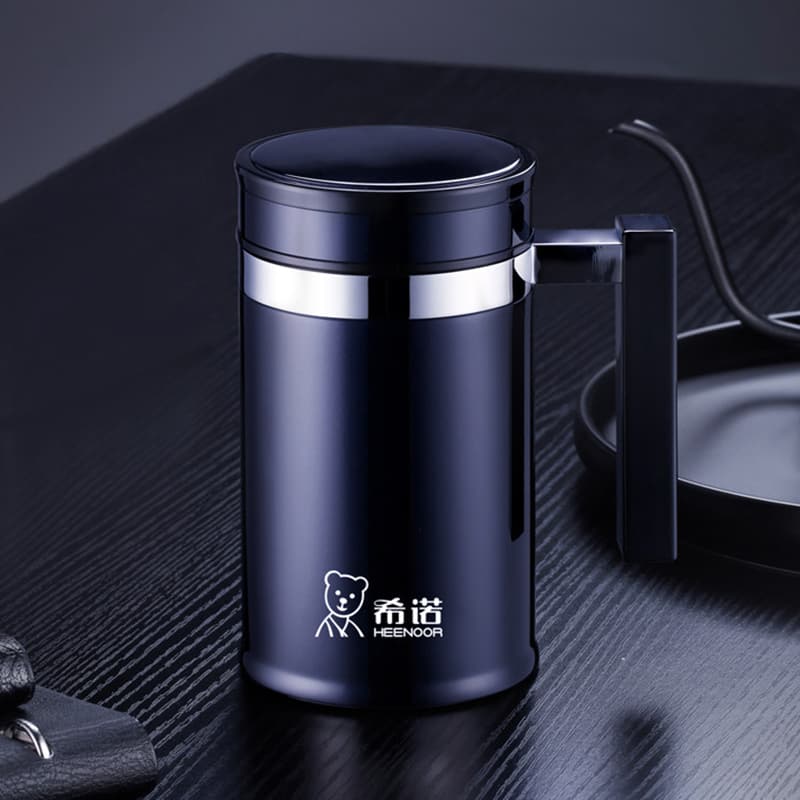
Stainless Steel Vacuum Flask Custom

Stainless Steel Vacuum Flask Suppliers

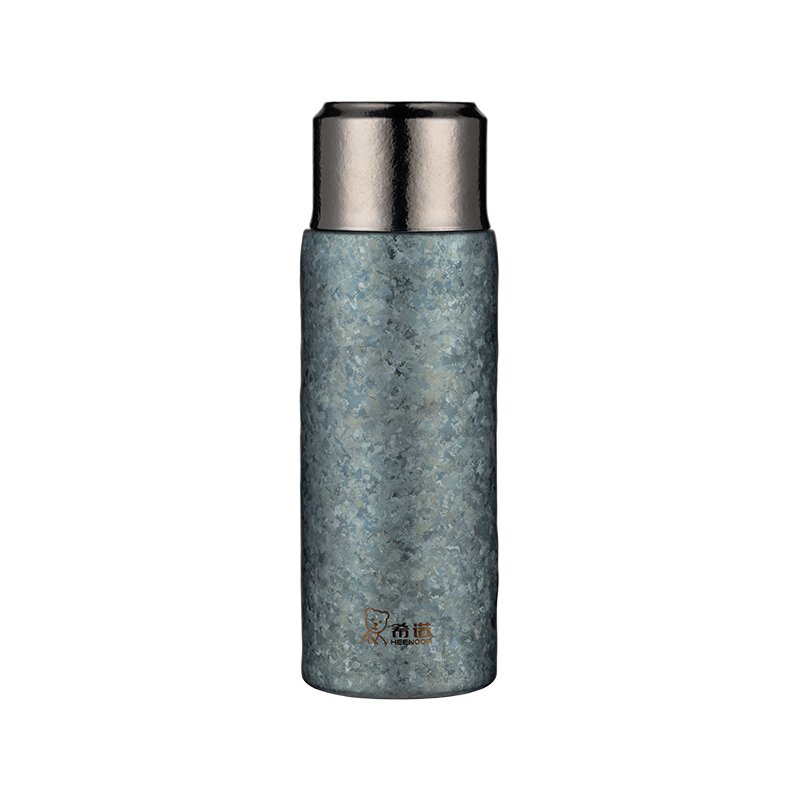
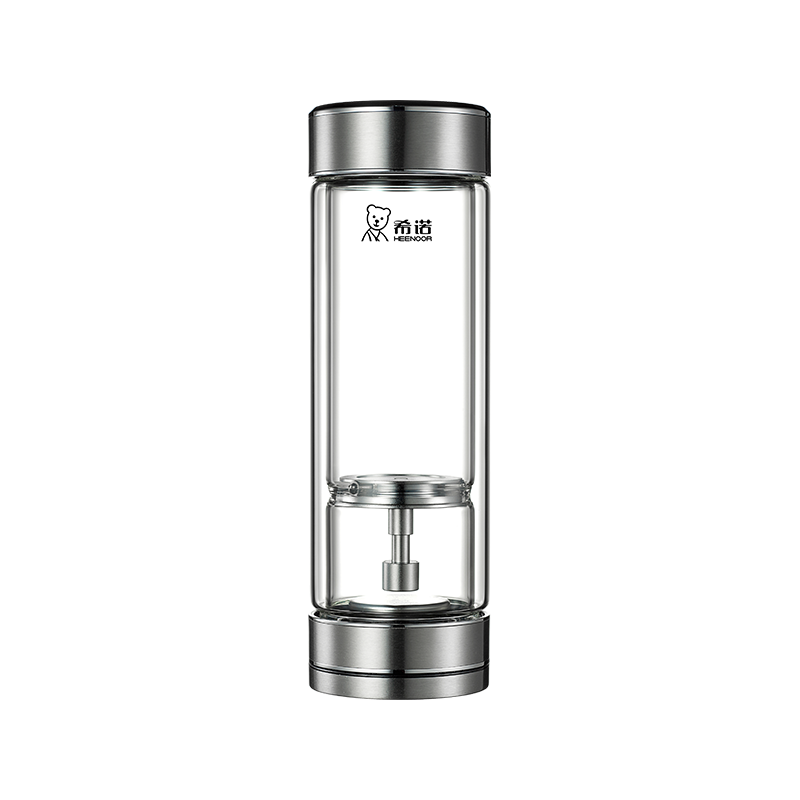
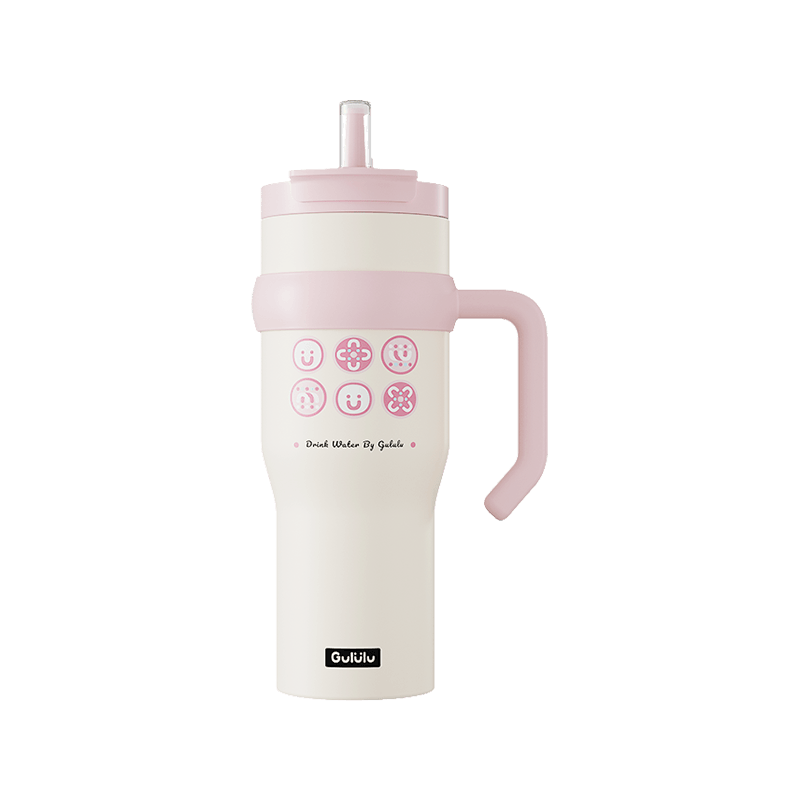
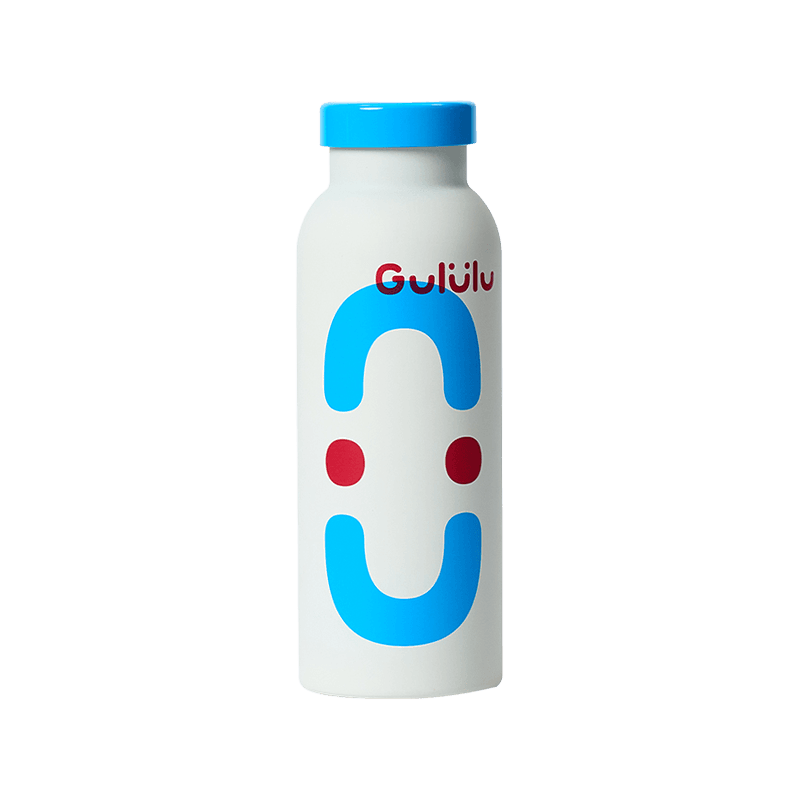
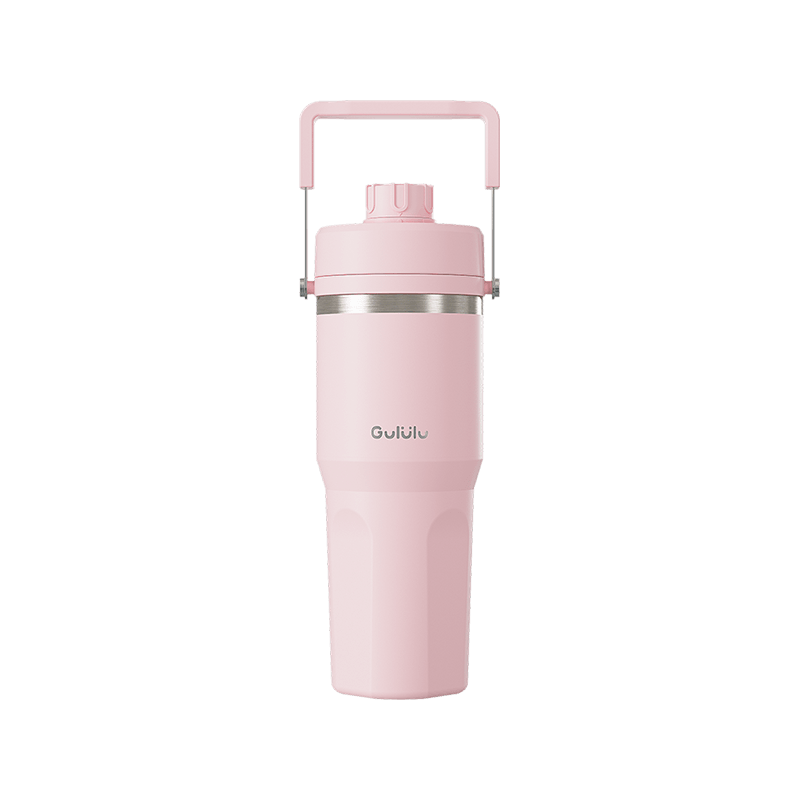
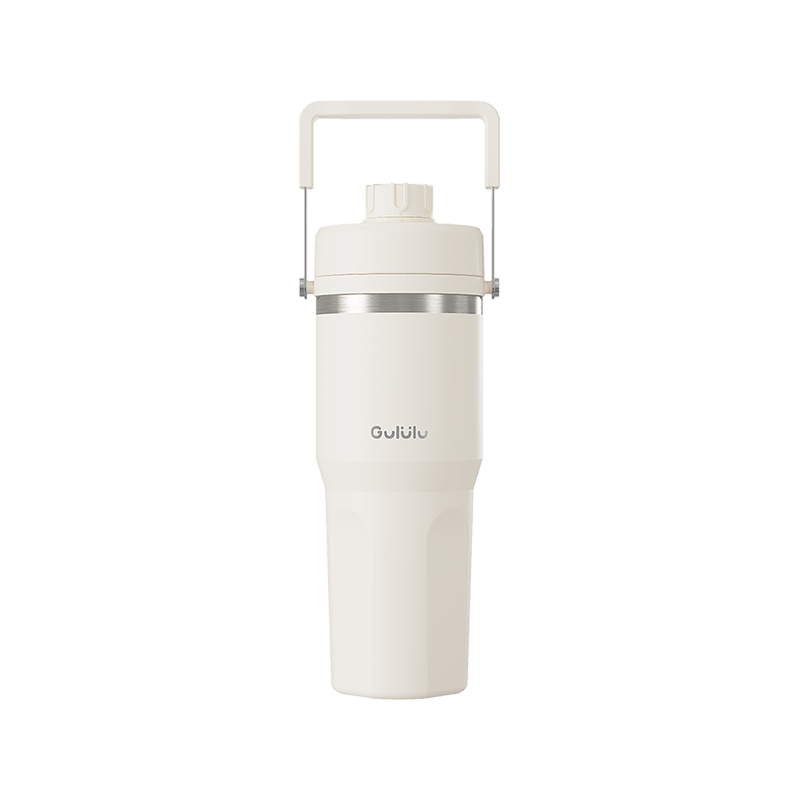
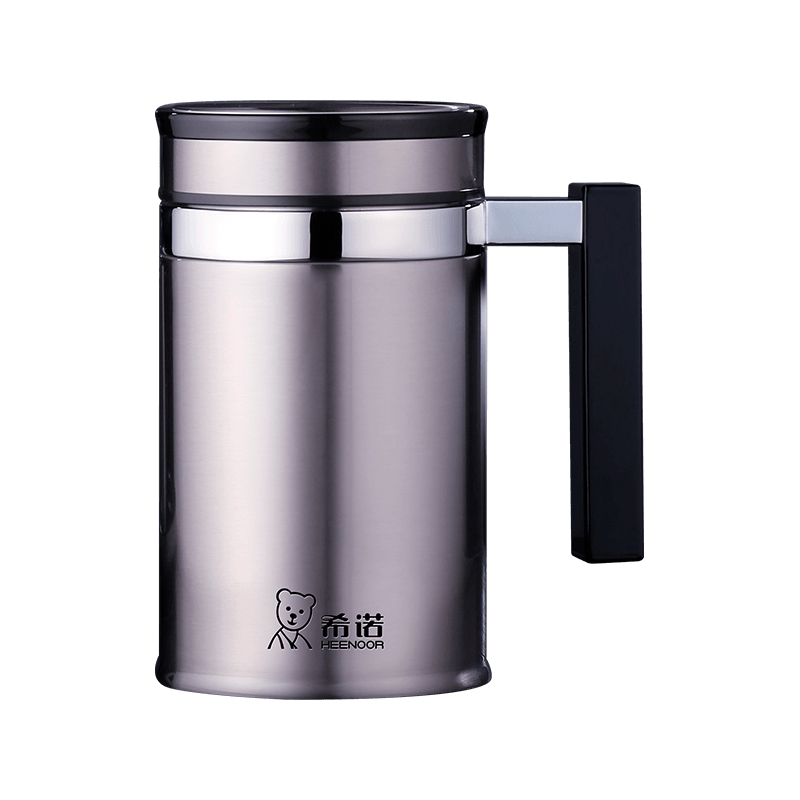
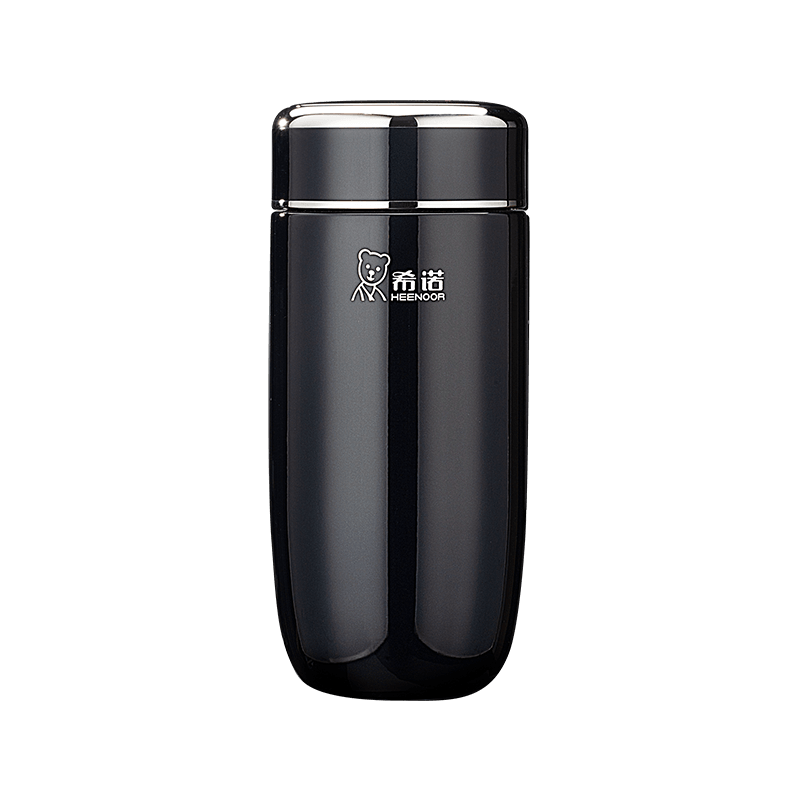
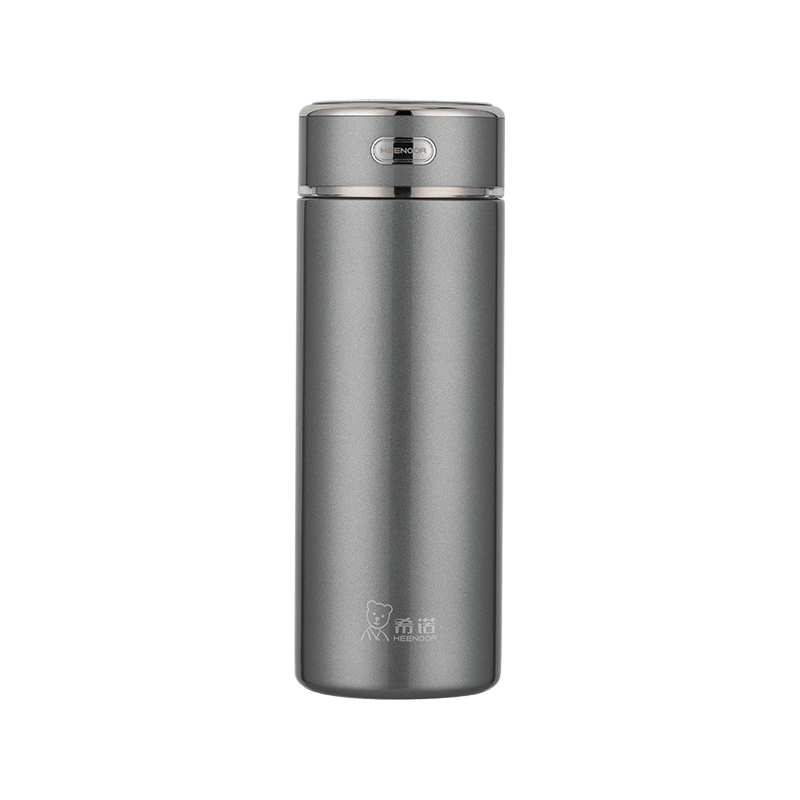
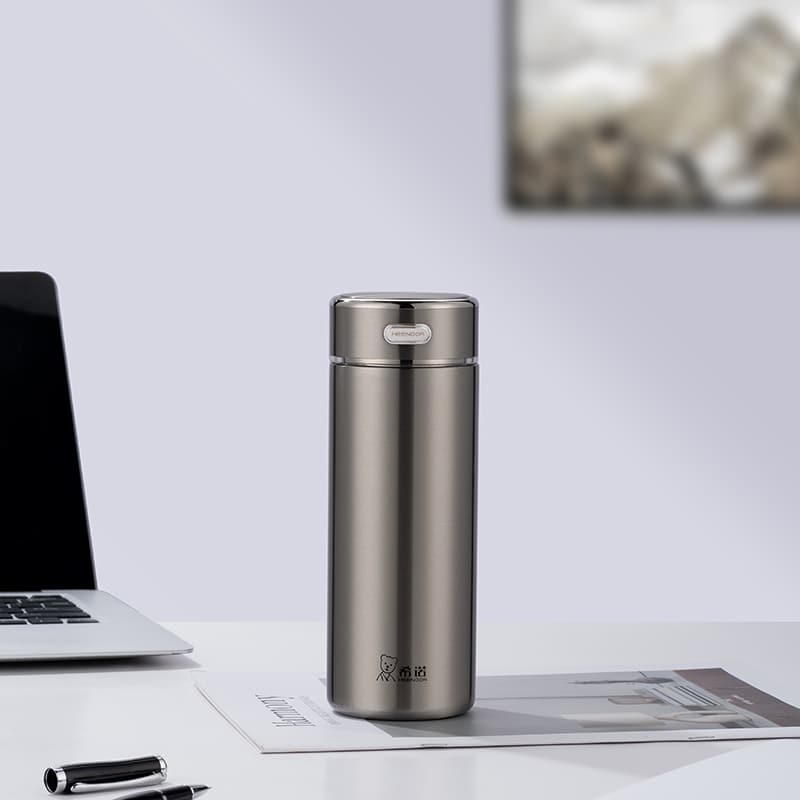
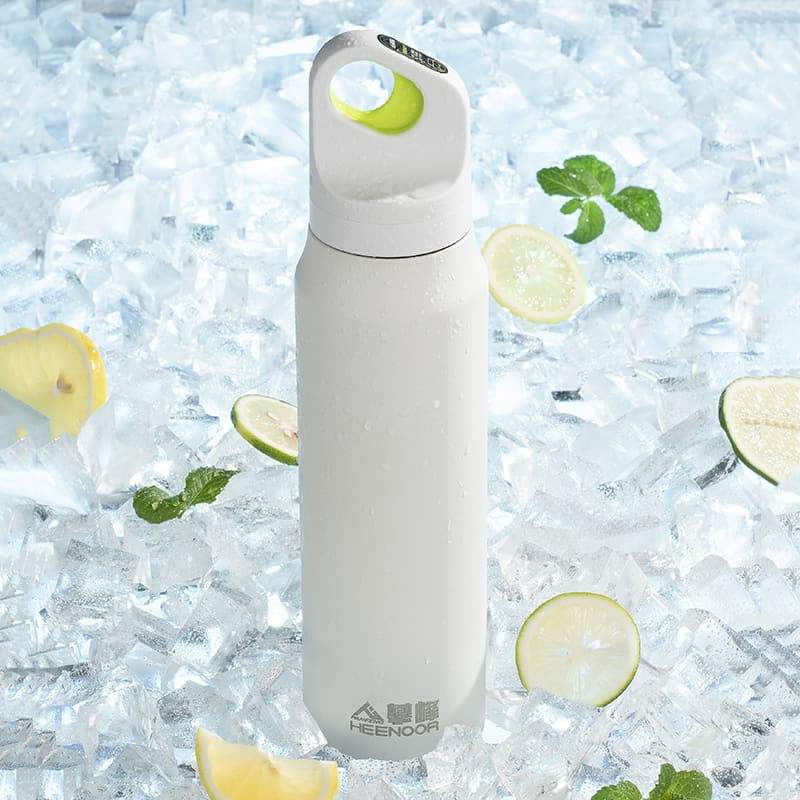
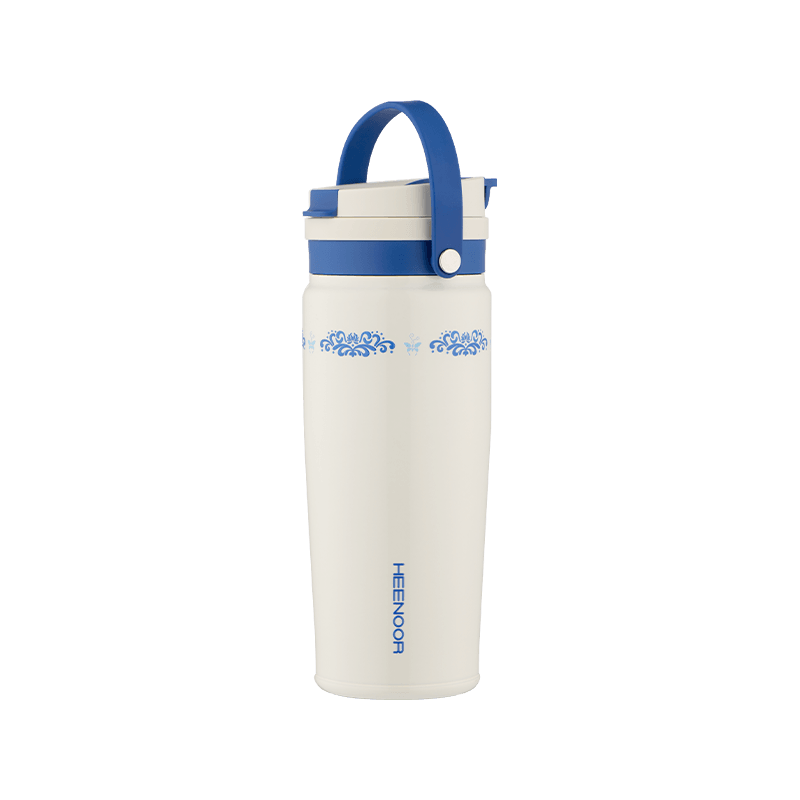
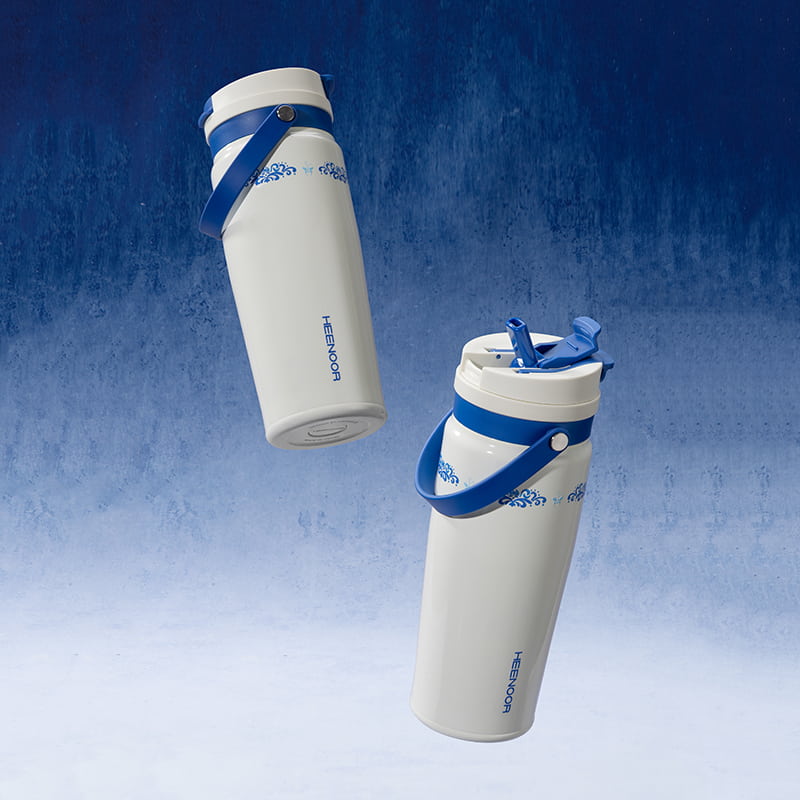
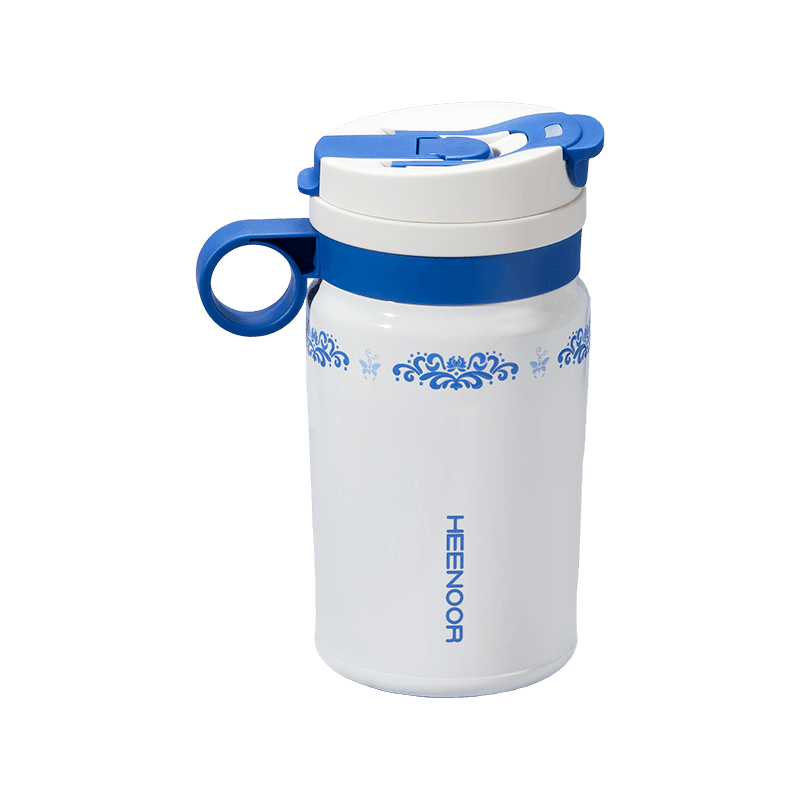
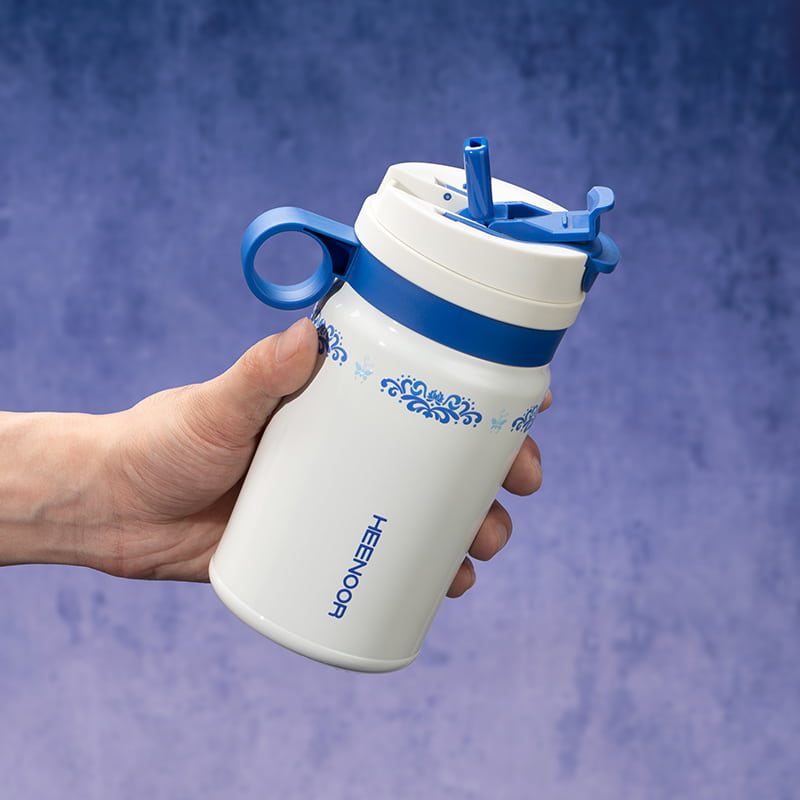
The stainless steel vacuum flask continuously improves the production process based on the original technology. The stainless steel mainly uses 304 and 316 stainless steel coils from Posco, South Korea, which has good corrosion resistance, heat resistance, low-temperature strength and mechanical properties. The insulation effect is good, and the shell feels delicate.

About Us
Heenoor Co., Ltd.

Heenoor Co., Ltd. was founded in 1999 and has grown into a large-scale drinkware manufacturer with a long-term focus on product development and industrial manufacturing. As China Stainless Steel Thermos Flask Manufacturers and Stainless Steel Vacuum Bottle Suppliers, over the past two decades, we've built our engineering, production, and quality capabilities to support reliable, large-volume drinkware programs.

As an integrated manufacturing enterprise, Heenoor combines product design, engineering validation, tooling development, and standardized production under one operational framework. This integrated approach allows us to maintain consistency, control risk, and ensure stable delivery across different product categories and market requirements.

Our experience spans a wide range of drinkware materials and structures, serving diverse application scenarios from daily use to professional and premium segments.

Rather than pursuing short-term trends, we focus on building manufacturable, durable, and scalable products that can perform reliably throughout their lifecycle.

Today, Heenoor works with brands, organizations, and procurement teams that value technical clarity, manufacturing discipline and long-term supply stability.
We position ourselves not simply as a supplier, but as a manufacturing partner committed to responsible execution and continuous improvement.


Certificate Of Honor
  • Vice President Unit of the 5th session
  • High-Tech Enterprise
  • National Intellectual Property Advantageous Enterprise
  • Demonstration Unit for Consumer Confidence in Jiangsu Province
  • Jiangsu Province Biophilic Metal Nanocoating Engineering Technology Research Center
  • Civilized Unit of Jiangsu Province
  • Jiangsu Province May 1st Labor Medal
  • National Model Workers' Home
News
Stainless Steel Vacuum Flask Industry knowledge

Wall Thickness and Raw Material Cost: The Two Variables That Actually Drive Vacuum Flask Pricing

A procurement manager comparing quotes for a Stainless Steel Vacuum Flask order will often notice that two suppliers offering what looks like the same 304 stainless steel spec can differ in price by 8-12% before any tooling or branding cost is added. The difference usually traces back to two things buried in the production sheet rather than the sales pitch: how the wall thickness was set for the inner liner, and how the supplier sources and hedges stainless steel coil. Neither shows up clearly on a standard quotation, but both determine whether a price holds steady across a multi-month production run or starts drifting once raw material costs move.

Where Wall Thickness Decisions Actually Get Made

Inner liner thickness for a stainless steel thermos flask typically sits somewhere between 0.3mm and 0.5mm, and that range isn't arbitrary — it's the working window where insulation performance and weight pull against each other. A thicker liner holds more thermal mass and tends to resist dents better during handling, but it also adds grams that accumulate across a full production run and pushes shipping weight up on bulk export orders. Going below roughly 0.3mm on the inner wall starts introducing risk during the deep-drawing stage, since thinner steel is more prone to micro-tearing at the base radius where the material stretches most during forming.

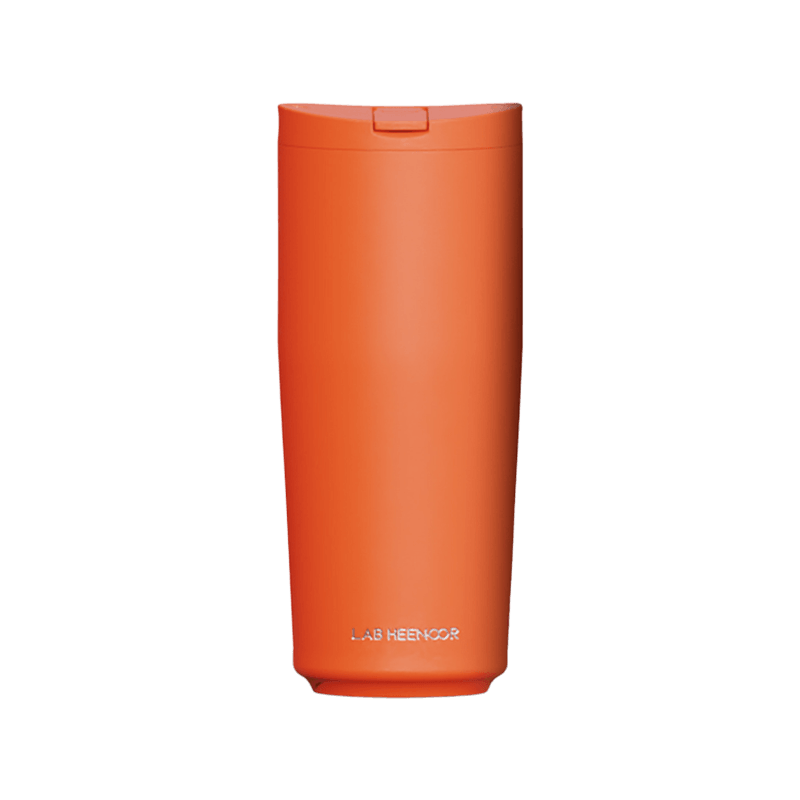
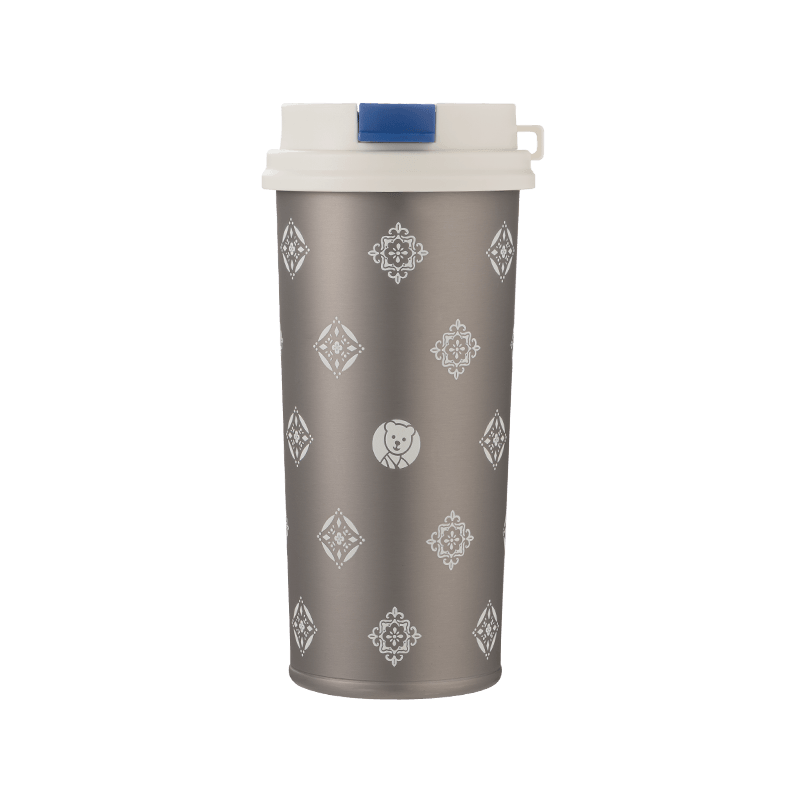
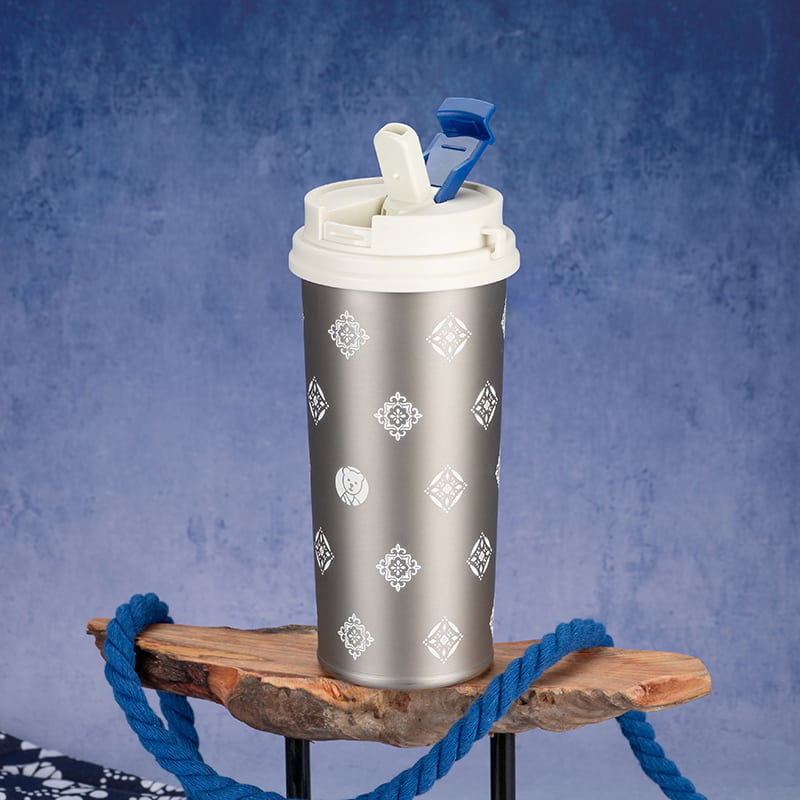
For a Dual-drink Coffee Tumbler, this calculation shifts again because the vessel is taller and narrower than a standard flask body, which changes how stress distributes during stamping. A tumbler wall that would be adequate on a squat, wide-bodied flask can develop thin spots near the shoulder curve of a narrower tumbler if the drawing ratio isn't recalculated for the new geometry. This is one of the less visible reasons why a stainless steel coffee tumbler manufacturer can't simply reuse flask tooling parameters across product lines without adjustment — the same nominal wall thickness behaves differently depending on the body's aspect ratio.

Heenoor Co., Ltd. sets wall thickness targets per product category rather than applying a single company-wide standard, since a Vacuum Flask meant for daily commuting and a taller Dual-drink Coffee Tumbler meant for on-the-go use carry different priorities between insulation retention and pack weight.

Product Type Typical Inner Wall Range Primary Constraint
Standard Vacuum Flask 0.35 – 0.5mm Insulation retention over dent resistance
Dual-drink Coffee Tumbler 0.3 – 0.4mm Even wall distribution around shoulder curve
Custom high-capacity flask 0.4 – 0.55mm Structural rigidity under larger volume load

How Steel Coil Sourcing Feeds Into Quote Stability

304 and 316 stainless steel coil pricing moves with nickel and chromium futures, and a spike in nickel prices — which has happened more than once in recent years — can shift raw coil cost by a meaningful percentage within a single quarter. A manufacturer running month-to-month spot purchasing has little cushion against this, and that volatility eventually lands on the customer's quote, either as a surcharge clause or a renegotiated price mid-contract.

The more common way manufacturers manage this is through forward-purchasing coil in volume ahead of confirmed production schedules, locking in a price for several months of anticipated output rather than buying reactively per order. This requires enough working capital and warehouse capacity to hold raw coil inventory, which smaller job-shop operations often can't sustain. Sourcing consistently from established South Korean steel producers, known for stable supply and consistent chemical composition batch to batch, also reduces the incoming material variability that can otherwise force a supplier to adjust forming parameters mid-run when coil hardness drifts slightly between deliveries.

Heenoor Co., Ltd. maintains coil inventory positions sized against forecasted order volume across its stainless steel vacuum flask manufacturer operations, which allows quoted pricing to hold through a production cycle rather than being re-quoted if nickel prices move during the weeks between order confirmation and final shipment. This matters more for buyers running seasonal or promotional programs, where a mid-cycle price adjustment can disrupt margin planning that was set months earlier based on the original quote.

Sourcing Approach Exposure to Price Swings Typical Trade-off
Spot purchasing per order High, quotes can shift within weeks Lower inventory cost, less price predictability
Forward-purchased coil inventory Lower, price locked for a defined period Requires warehouse space and working capital

Why These Two Factors Get Evaluated Together

Wall thickness and material sourcing aren't separate line items in practice — a thinner wall spec reduces coil consumption per unit, which partially offsets raw material cost pressure, but only if the thinner gauge still holds up structurally for the product's intended use. A custom stainless steel tumblers program built around a lighter wall spec to hit a target price point can end up costing more in warranty claims if the thinner gauge wasn't validated against the specific forming geometry of that tumbler shape. This is part of why quotation stability isn't purely a sourcing question — it's tied to whether the underlying wall thickness decision was engineered correctly for the product category in the first place, rather than copied from an unrelated design.