Home / Products / Vacuum Flask/Water Bottle / Titanium Vacuum Flask
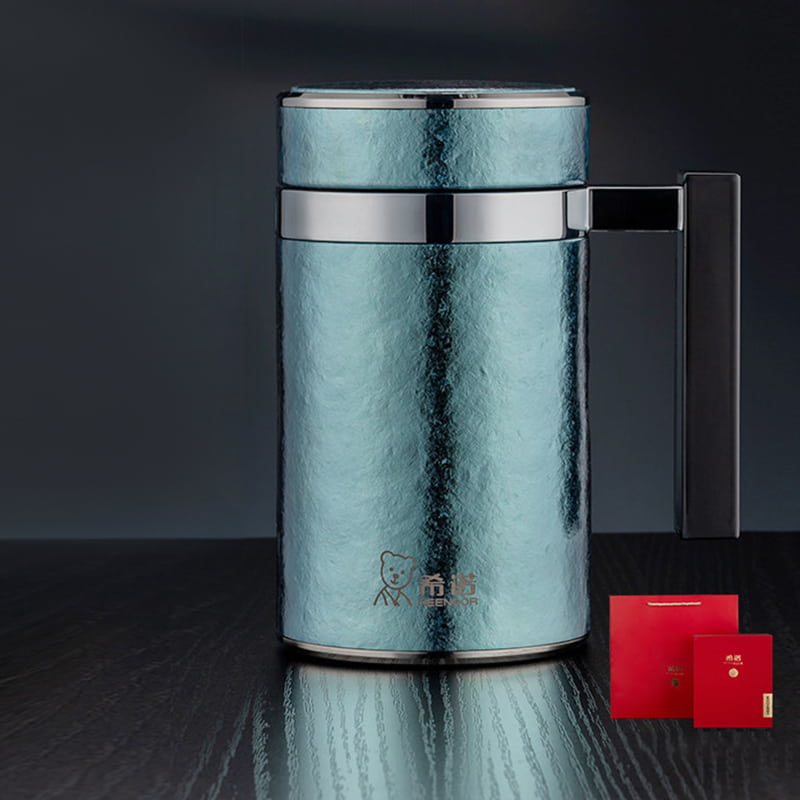
Titanium Vacuum Flask Custom

Pure Titanium Vacuum Flask Suppliers

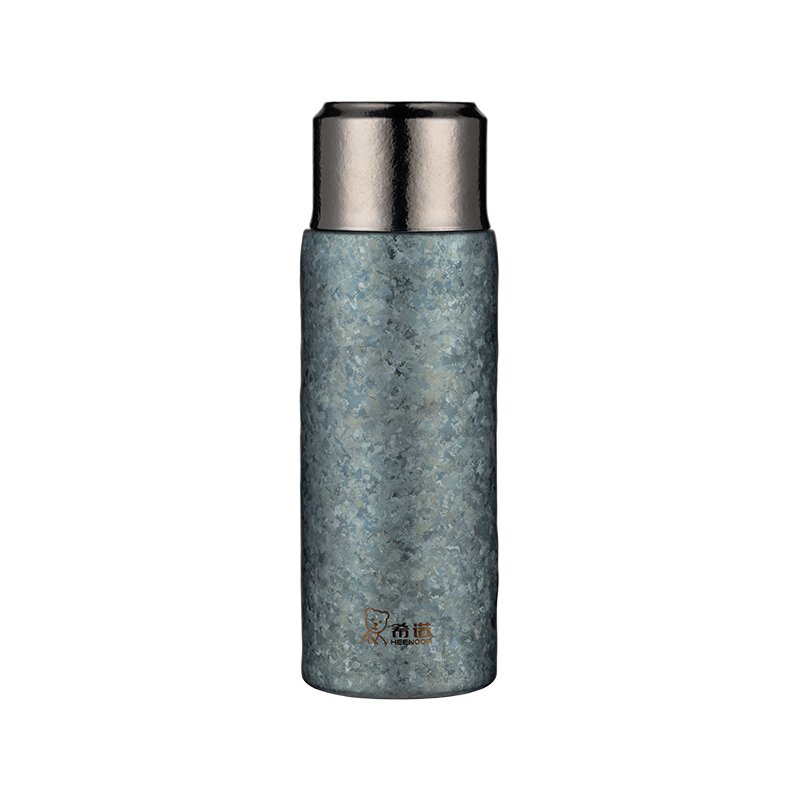
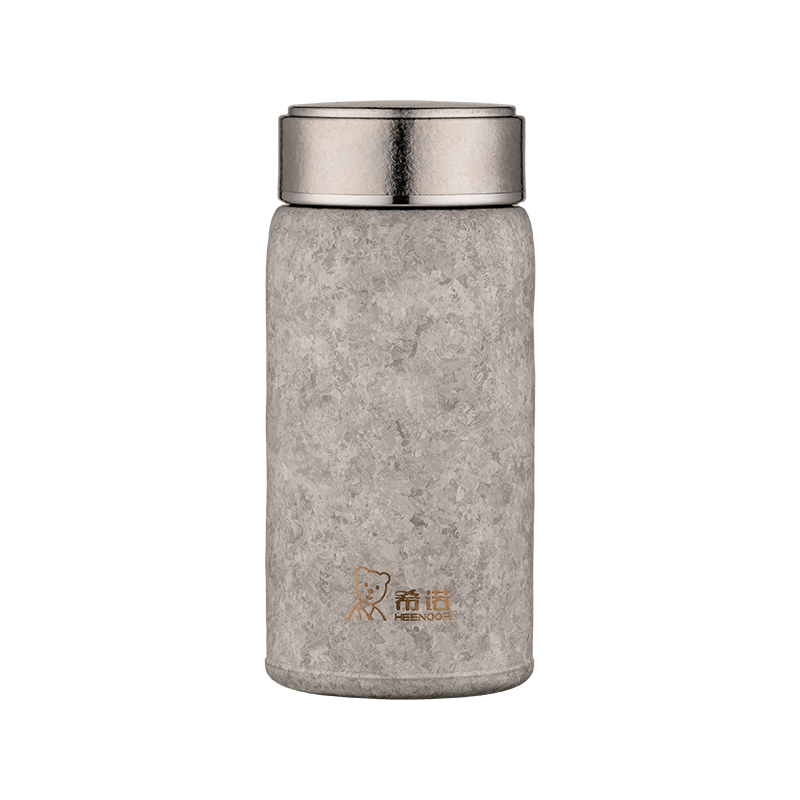
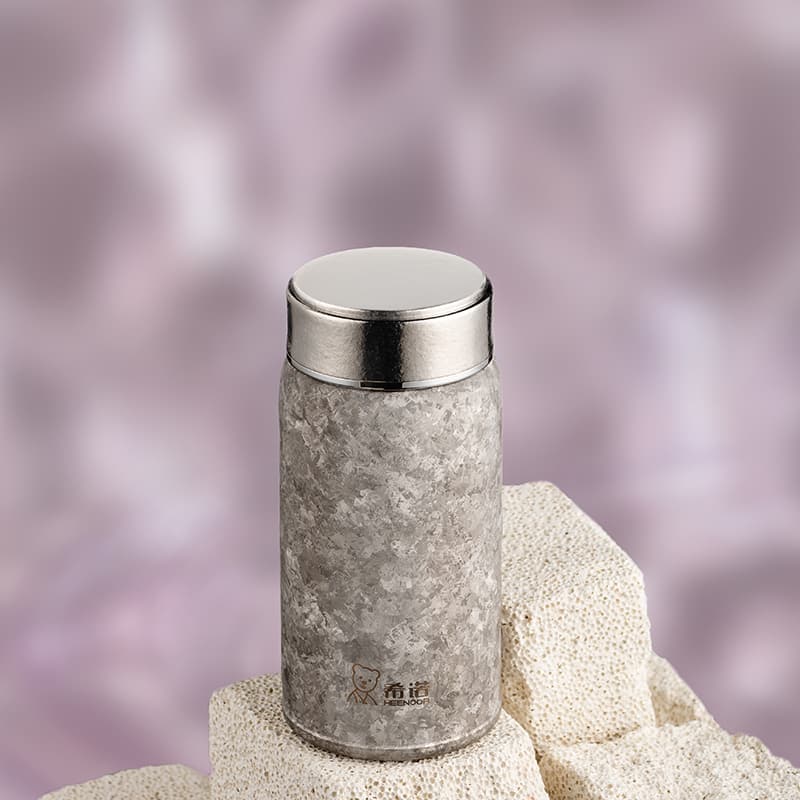
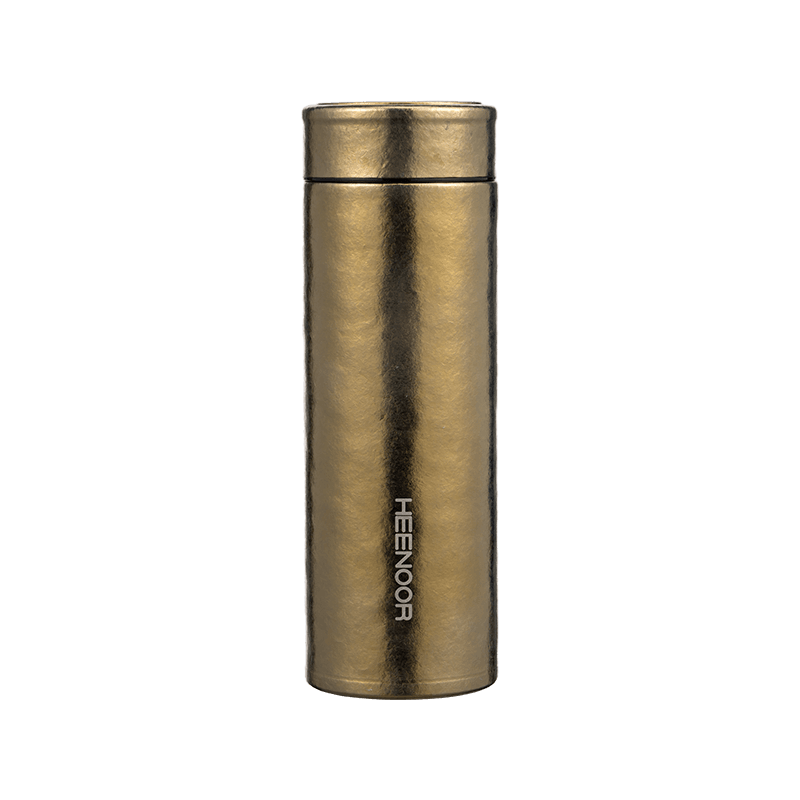
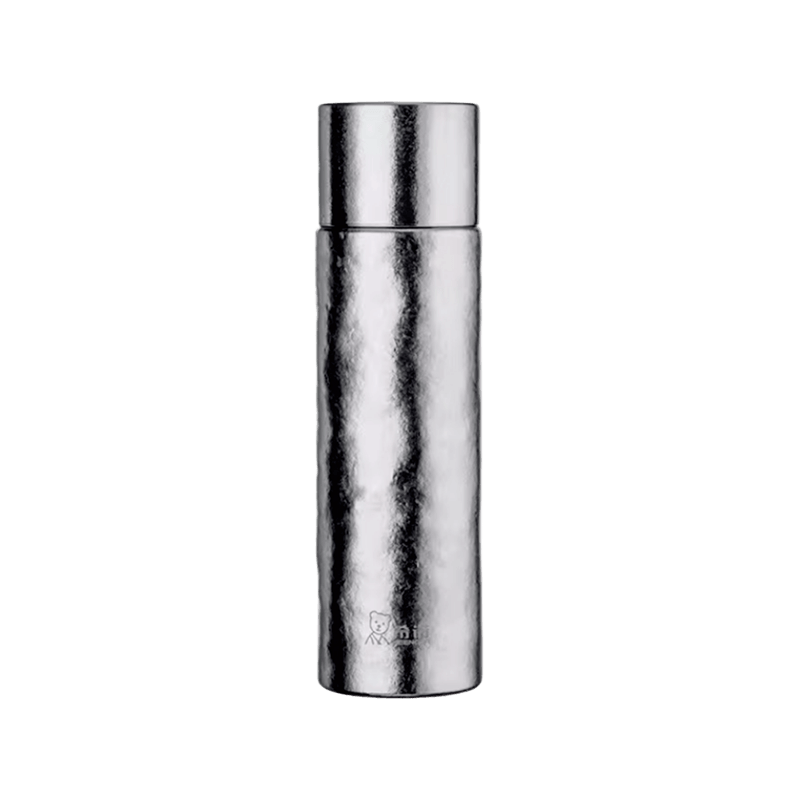
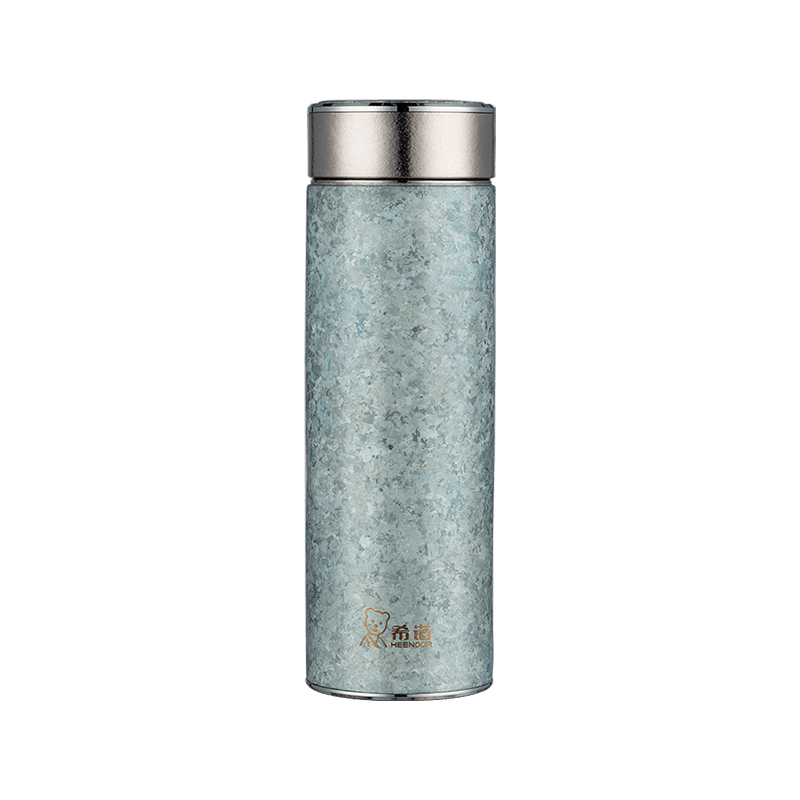
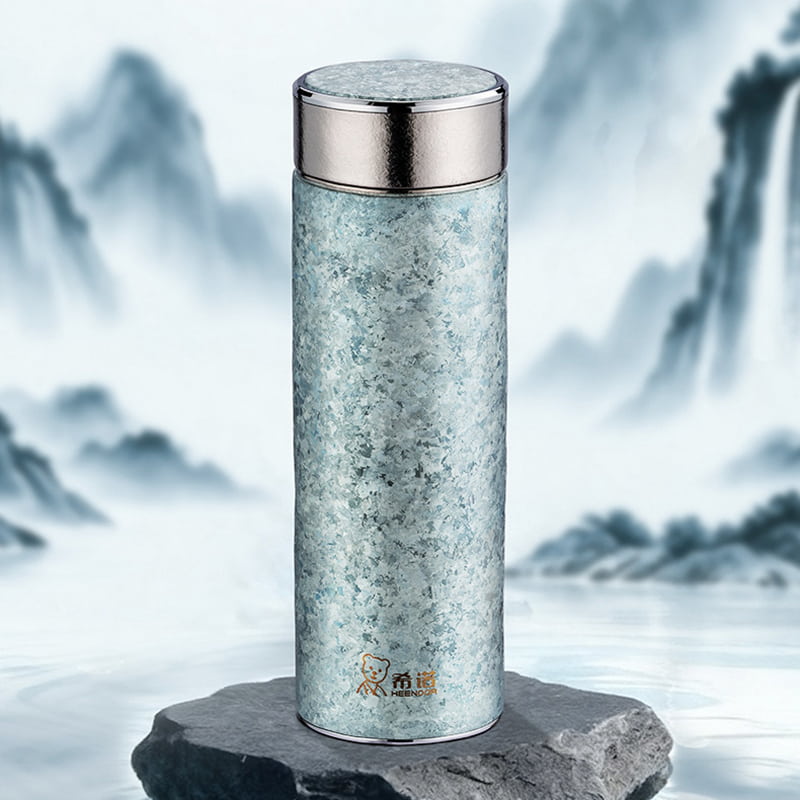
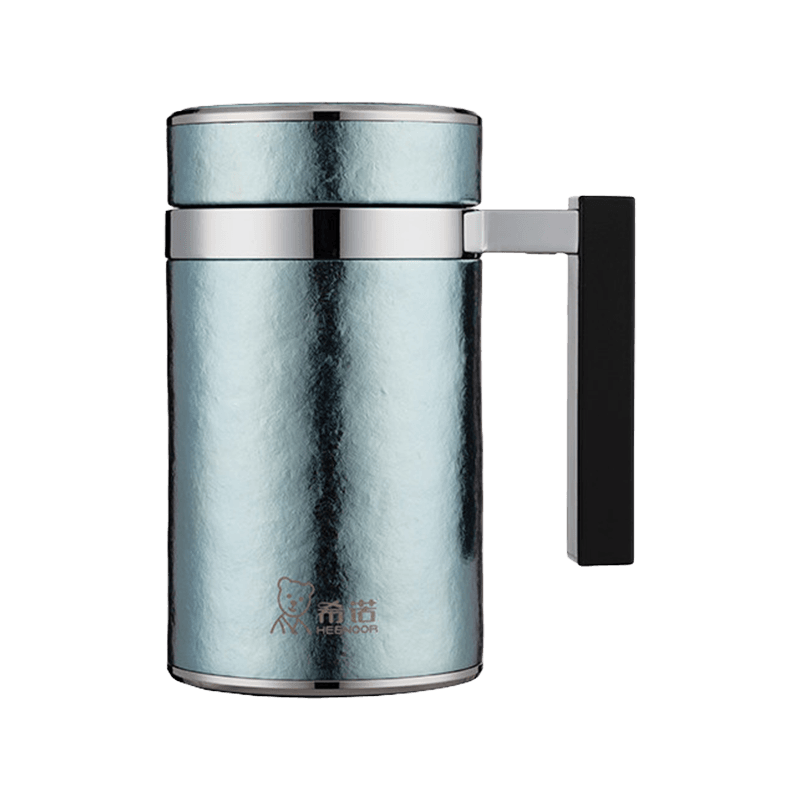
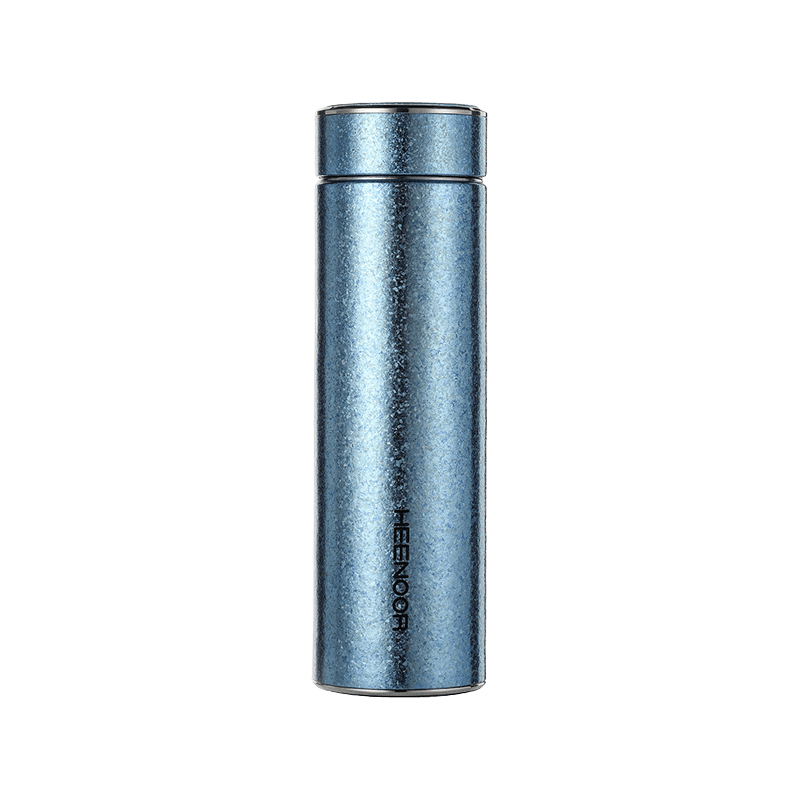
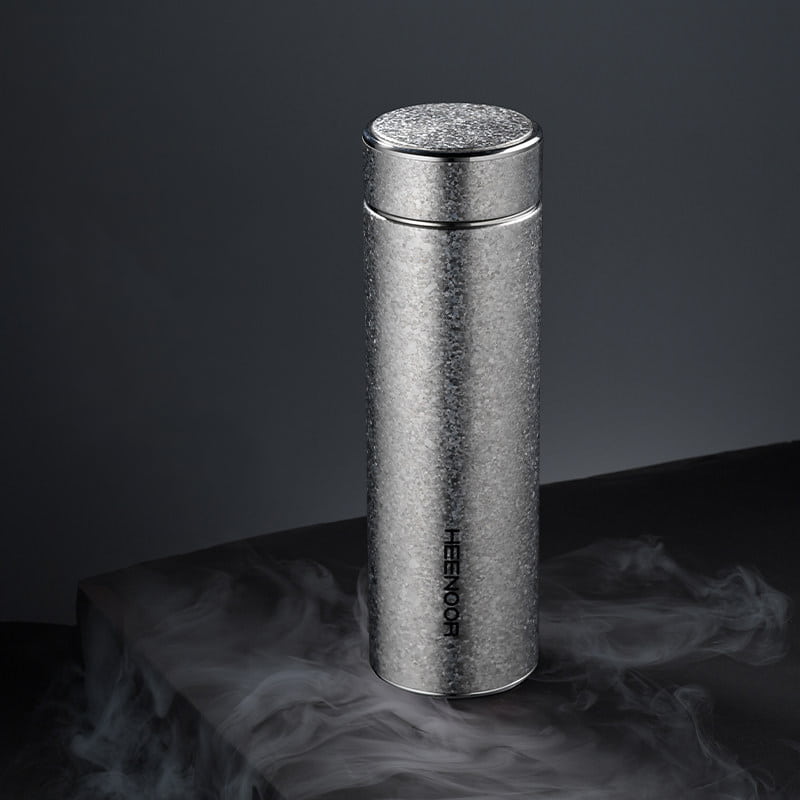
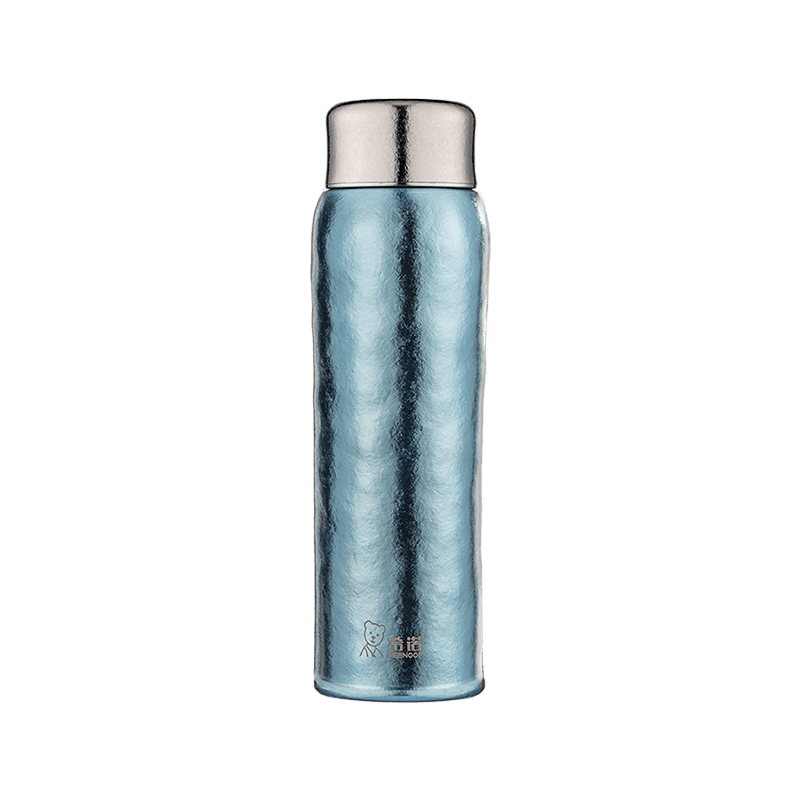
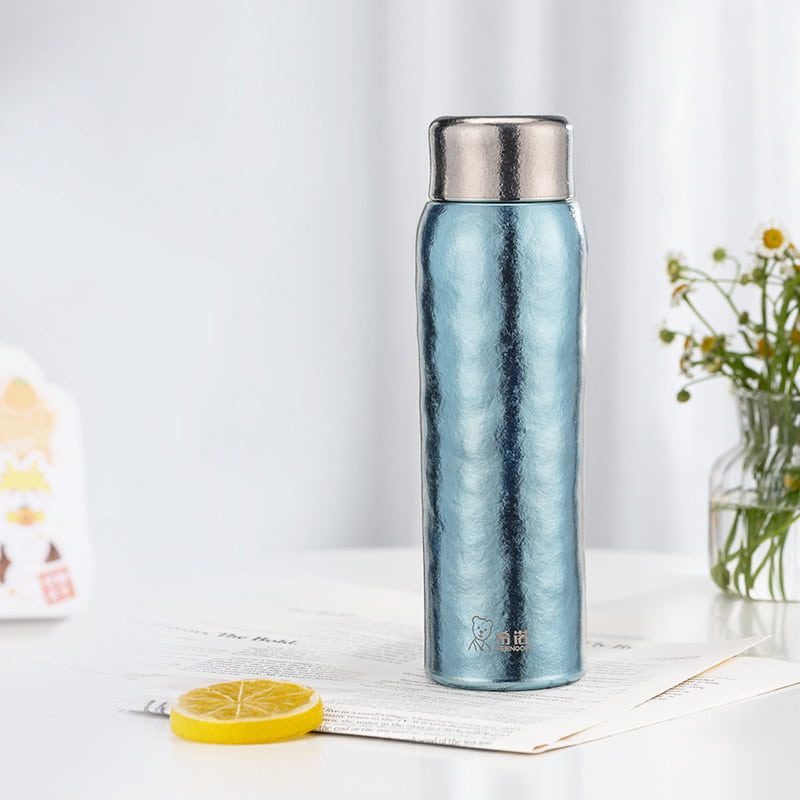
The titanium flask is made of high-purity pure titanium and is light in texture. The surface is anodized and colored without the need for paint. The mouth of the cup is smooth and the filter is fine. It is naturally antibacterial and does not affect the flavor of the drink.

About Us
Heenoor Co., Ltd.

Heenoor Co., Ltd. was founded in 1999 and has grown into a large-scale drinkware manufacturer with a long-term focus on product development and industrial manufacturing. As China Titanium Thermos Bottle Manufacturers and Titanium Vacuum Flask Suppliers, over the past two decades, we've built our engineering, production, and quality capabilities to support reliable, large-volume drinkware programs.

As an integrated manufacturing enterprise, Heenoor combines product design, engineering validation, tooling development, and standardized production under one operational framework. This integrated approach allows us to maintain consistency, control risk, and ensure stable delivery across different product categories and market requirements.

Our experience spans a wide range of drinkware materials and structures, serving diverse application scenarios from daily use to professional and premium segments.

Rather than pursuing short-term trends, we focus on building manufacturable, durable, and scalable products that can perform reliably throughout their lifecycle.

Today, Heenoor works with brands, organizations, and procurement teams that value technical clarity, manufacturing discipline and long-term supply stability.
We position ourselves not simply as a supplier, but as a manufacturing partner committed to responsible execution and continuous improvement.
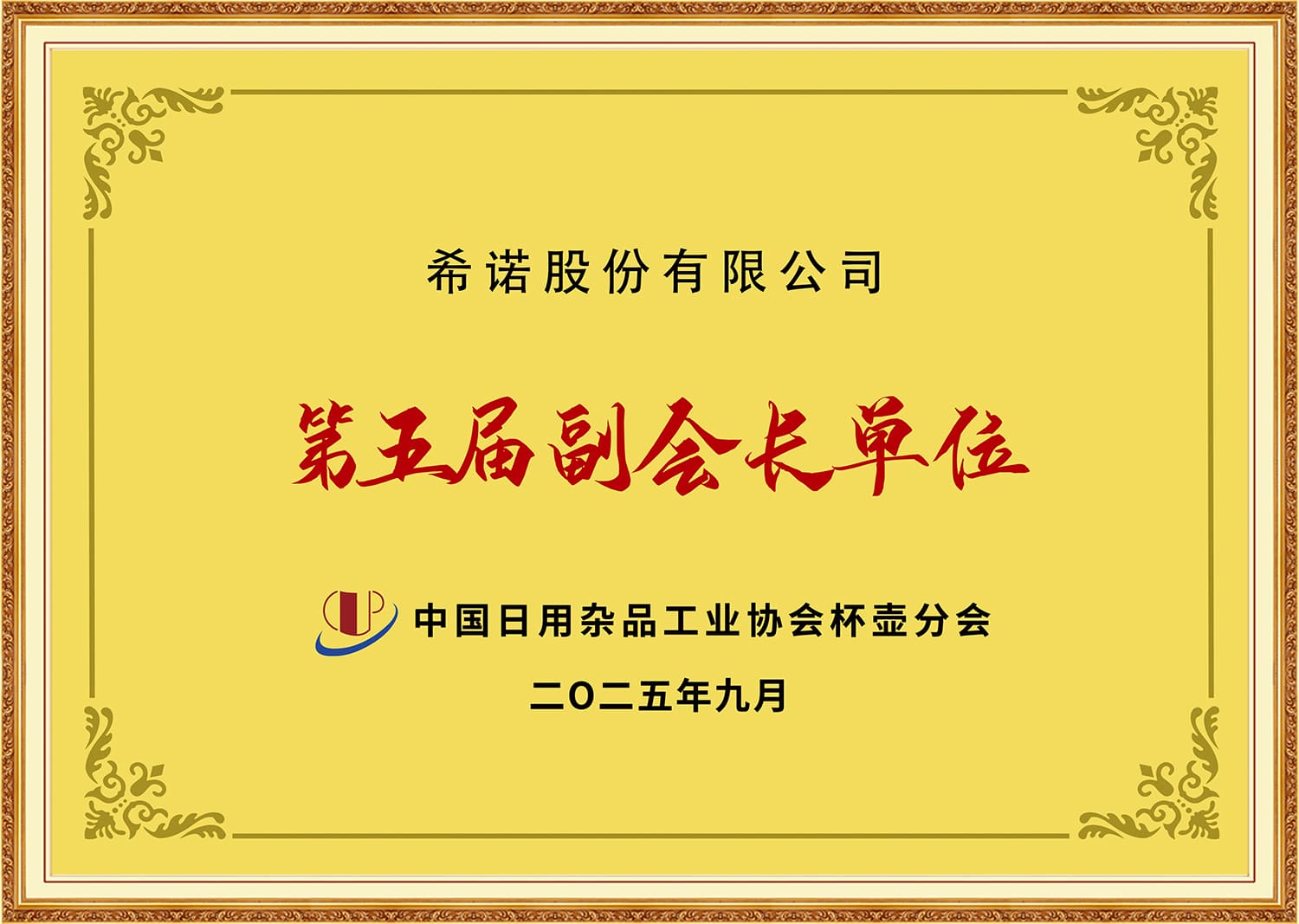
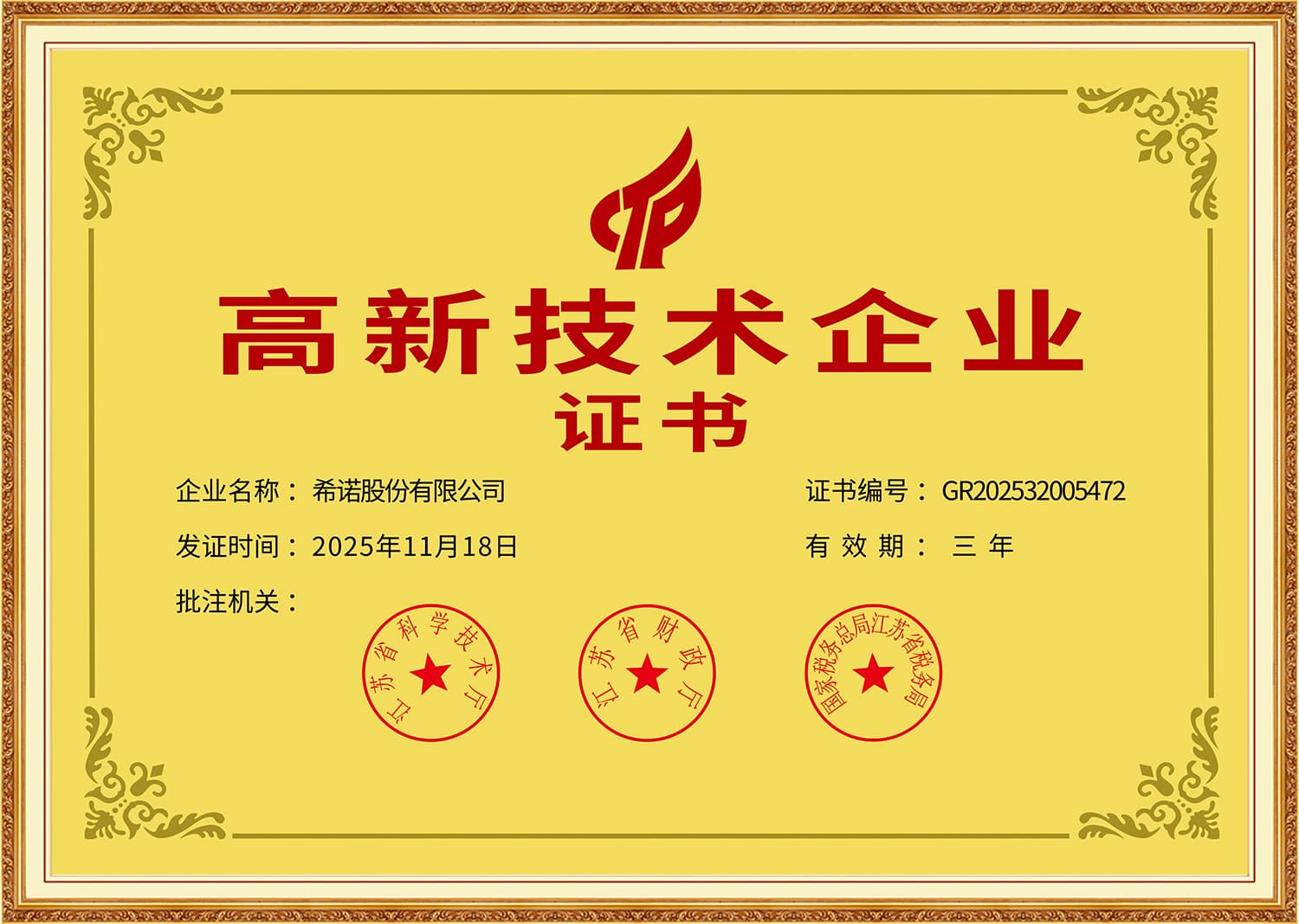
Certificate Of Honor
  • Vice President Unit of the 5th session
  • High-Tech Enterprise
  • National Intellectual Property Advantageous Enterprise
  • Demonstration Unit for Consumer Confidence in Jiangsu Province
  • Jiangsu Province Biophilic Metal Nanocoating Engineering Technology Research Center
  • Civilized Unit of Jiangsu Province
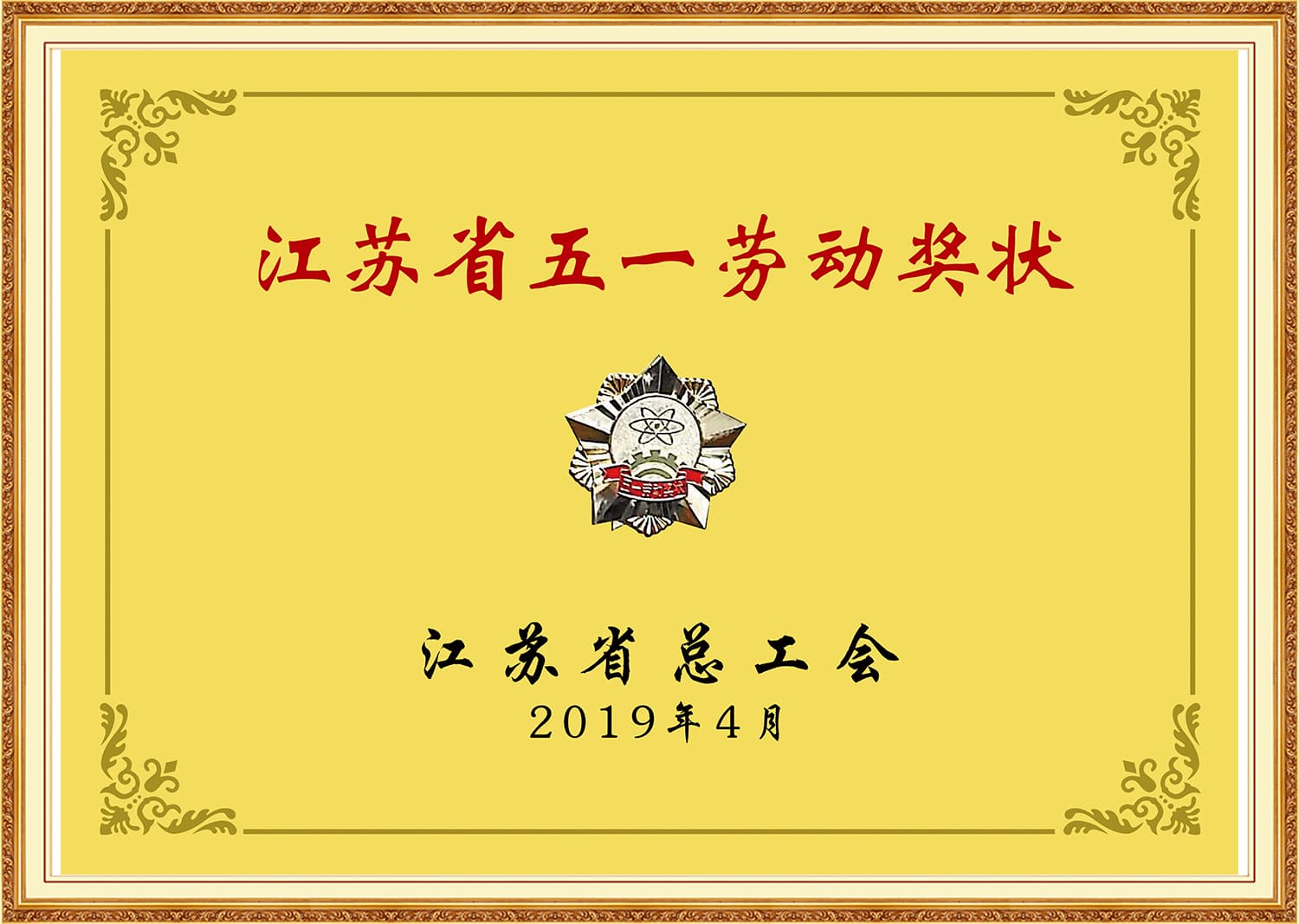
  • Jiangsu Province May 1st Labor Medal
  • National Model Workers' Home
News
Titanium Vacuum Flask Industry knowledge

Thermal Cycling Stability and Manufacturer Selection: Two Questions That Separate Serious Titanium Vacuum Flask Buyers From the Rest

A batch of Titanium Vacuum Flask units passed factory leak testing without issue, then started showing sluggish heat retention after roughly forty cycles of freezer-to-boiling-water use in a field trial. Nothing had physically failed — no visible dent, no cracked seam — yet the vacuum layer had quietly degraded. This kind of slow-onset failure is exactly what separates a supplier who tests for thermal cycling stability from one who only confirms vacuum integrity at a single point in time, and it's a distinction that matters more with titanium than with stainless steel because of how differently the metal responds to repeated expansion and contraction.

Why Thermal Cycling Testing Looks Different for Titanium

Titanium has a lower coefficient of thermal expansion than stainless steel — roughly 8.6 x 10⁻⁶ per °C versus around 17 x 10⁻⁶ per °C for 304 stainless — which sounds like an advantage on paper but creates a specific problem at the weld seam where a Titanium Vacuum Bottle's inner and outer shells meet. If the seam geometry wasn't designed with this expansion differential in mind, repeated cycling between near-freezing and near-boiling temperatures introduces micro-stress at the joint that accumulates gradually rather than causing immediate failure. This is why a single leak test at room temperature, run once before shipment, doesn't reveal much about how the flask will behave after months of daily temperature swings.

A more useful test protocol cycles the flask between roughly -10°C and 95°C repeatedly, checking vacuum pressure at intervals rather than only at the start and end. Some production teams track this using a residual gas analyzer or a simplified pressure-rise test, watching for gradual pressure increase inside the vacuum gap that would indicate a slow leak developing at the seam rather than a catastrophic one. A titanium vacuum flask supplier running this kind of interval testing catches degradation patterns that a pass/fail leak check at ambient temperature simply won't surface.

Heenoor Co., Ltd. builds cycling checkpoints into its testing sequence for titanium product lines specifically because the seam-stress pattern described above doesn't show up in standard single-point vacuum verification, and skipping this step tends to shift the failure discovery from the factory floor to the customer's hands months later.

Test Stage What It Checks Why It Matters for Titanium
Single-point vacuum check Vacuum integrity at time of manufacture Confirms initial seal only, misses cumulative seam stress
Interval pressure-rise monitoring Gradual leak development over repeated cycles Reveals slow seam degradation specific to titanium's expansion behavior
Extended cycling (40+ cycles) Long-term seal stability under real-use conditions Simulates months of freezer-to-hot-drink rotation

What Actually Distinguishes One Titanium Thermos Bottle Manufacturer From Another

Price comparisons between suppliers tend to flatten out once volume and material grade are matched, which pushes the real differentiation into process capability — areas that don't appear on a standard quotation sheet. One is raw titanium purity control. Because the anodized coloring process common on a Pure Titanium Vacuum Flask depends on consistent oxide layer formation, variability in titanium purity between coil lots can produce visible color drift across a production run, something a buyer typically only notices after receiving a full batch rather than a sample.

Forming consistency is another. Titanium's higher springback compared to stainless steel means stamping tolerances have to be recalibrated more frequently, and a manufacturer without dedicated titanium tooling experience tends to show this as slight dimensional variation between units — lids that fit slightly loose on some flasks and slightly tight on others from the same batch. This kind of inconsistency is harder to catch in a spec review and easier to catch by asking a supplier directly how often forming dies are recalibrated for titanium-specific springback.

A third factor worth checking is how a manufacturer handles the antibacterial filter or mouth-opening component common on titanium bottles designed for on-the-go use, since the fine mesh filtration mentioned in product descriptions requires a separate stamping and inspection step from the main body — a step that's easy to skip corners on if it isn't treated as a distinct quality checkpoint.

Capability Indicator What to Ask a Supplier Risk If Overlooked
Titanium purity traceability Coil lot certification and source consistency Color drift in anodized finishes across batches
Springback recalibration frequency How often forming dies are adjusted for titanium Dimensional inconsistency in lid fit and seam alignment
Filter/mouth component QC Whether this is inspected separately from body forming Filter mesh defects affecting flavor neutrality claims

Connecting Testing Discipline to Long-Term Supply Decisions

These two questions — how a supplier tests thermal cycling and how a manufacturer manages titanium-specific process variables — tend to correlate more often than not. A Titanium Vacuum Flask Supplier running interval cycling tests is usually the same supplier tracking coil purity and die recalibration closely, because both practices come from treating titanium as a distinct material requiring its own process discipline rather than adapting stainless steel procedures with minor adjustments. Heenoor Co., Ltd. positions its testing and forming controls this way across its titanium thermos bottle programs, since the two issues discussed here rarely show up in isolation on a production floor that hasn't built dedicated titanium-handling procedures.