 English
 中文简体
中文简体 日本語
日本語 Español
 عربى
عربى
Search
Categories
Recommend
Categories
 Company news
Recommend
-
 Industry news
 -
 Industry news
 -
 Industry news
 -
 Industry news
Sep 25, 2026 - By admin
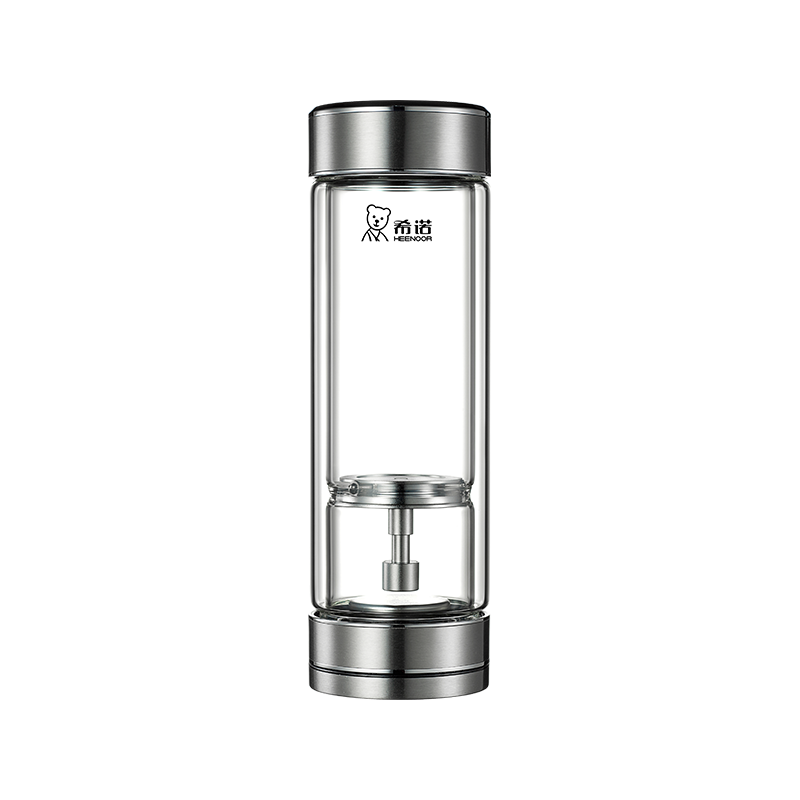
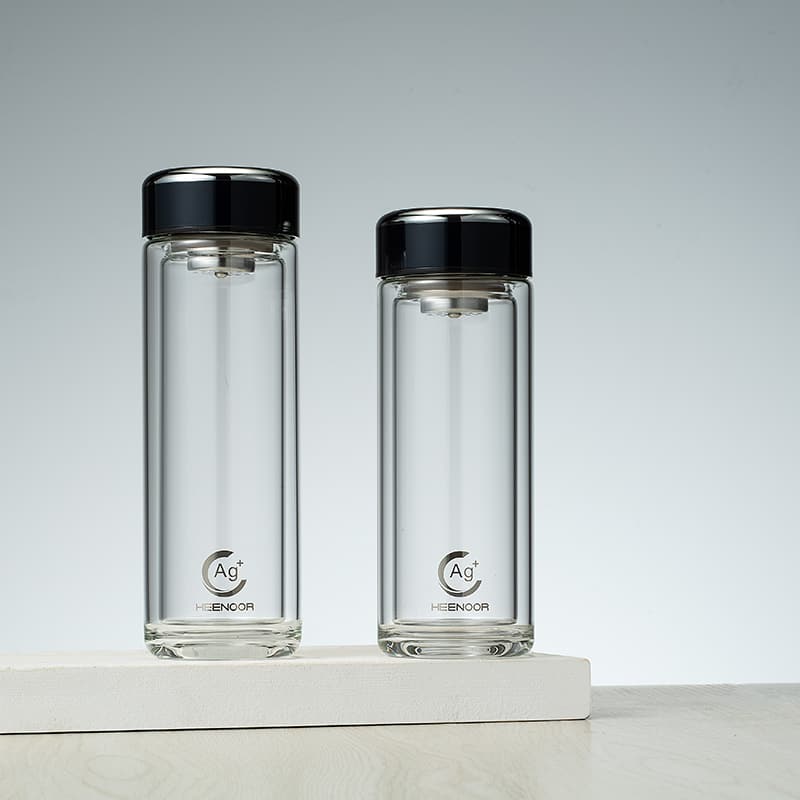 Double-Layer Vacuum Glass Bottle with Antibacterial Silver Ion CoatingThis glass bottle keeps water flavor-neutral with a smooth inner surface, while its double-layer vacuum construction provides heat retention and a comfortable exterior. Ideal for those seeking a classic, non-leaching material for daily hydration.View Product →
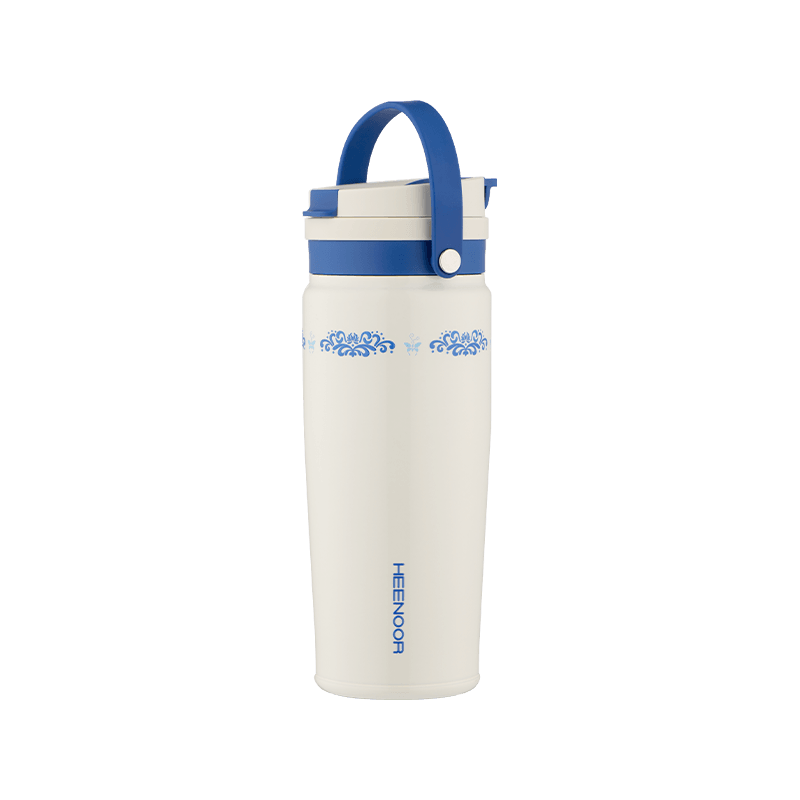
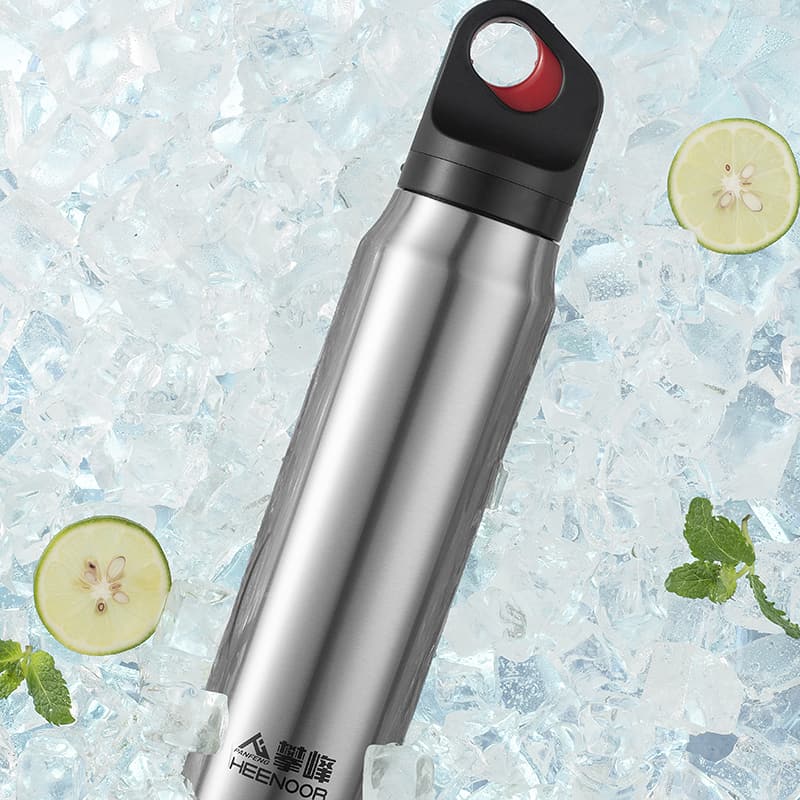 Insulated Stainless Steel Vacuum Flask for Outdoor and CommutingMade with a 316L inner liner and silver ion antibacterial coating, this flask preserves water's mineral taste and keeps drinks at temperature for hours. Its one-handed lid and non-slip base suit active lifestyles.View Product →
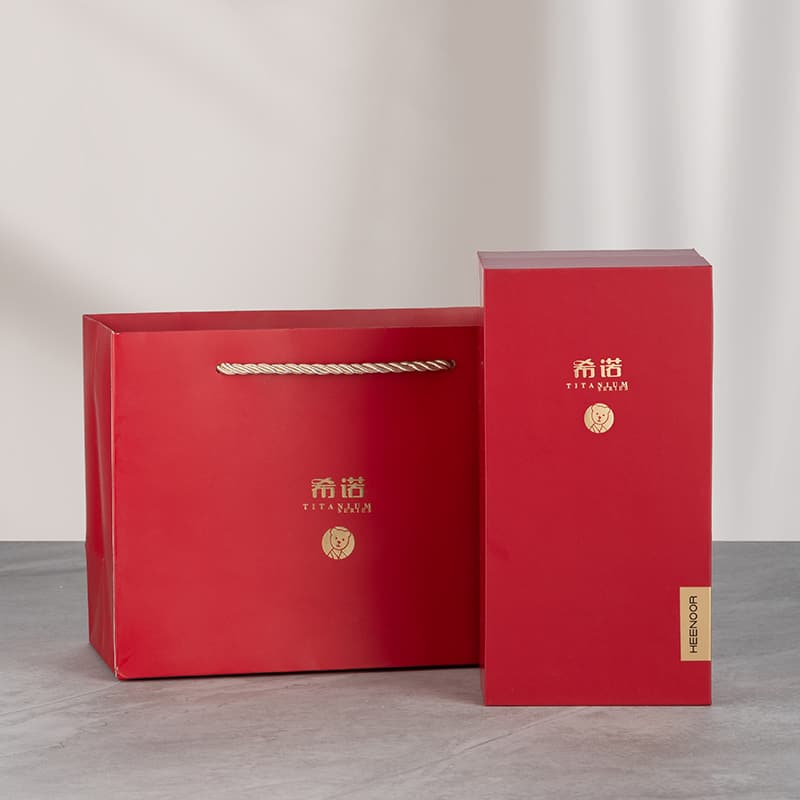 Pure Titanium Portable Vacuum Flask with Leak-Proof LidCrafted from over 99% pure titanium, this flask is lightweight, corrosion-resistant, and completely inert, ensuring no flavor transfer. Vacuum insulation and a secure silicone seal make it a top choice for travelers.View Product →
What Is a Safe TDS Level for Drinking Water? Understanding Water Quality and Taste
Content
When you pour a glass of water, you probably check that it looks clear and tastes fresh. But beyond clarity and taste lies a less visible factor that shapes your daily hydration: total dissolved solids, or TDS. Understanding the right TDS level for drinking water helps you make smarter choices about filtration, storage, and the containers you use at home, in the office, or on the road. As a drinkware manufacturer with more than two decades of engineering experience, we at Heenoor think about this topic every day, because the bottle you drink from should protect, not alter, the quality of your water.
What Is TDS in Drinking Water?
TDS stands for total dissolved solids, which is the combined concentration of minerals, salts, and small amounts of organic matter dissolved in water. These particles are microscopic, so they do not make water look cloudy; instead, they exist in a truly dissolved state. Common components include:
- Calcium and magnesium from natural mineral deposits
- Sodium and potassium from salts and water softening
- Bicarbonates, chlorides, and sulfates from multiple sources
- Trace amounts of organic matter from decaying vegetation
TDS enters water through both natural and human-influenced pathways. Natural sources include mineral springs, erosion of rock and soil, and decomposing plant matter. Human activity adds another layer: agricultural runoff, urban stormwater, and industrial byproducts can all contribute dissolved solids. It is equally important to understand what TDS does not include. Bacteria, viruses, sediment, and volatile organic compounds are not captured in a TDS reading, which is why TDS alone cannot confirm that water is biologically safe. It is, however, one of the most convenient indicators of mineral content and taste profile.
What Is a Safe TDS Level for Drinking Water?
Health authorities have not established a single universal limit, but several widely recognized guidelines help answer the question. The U.S. Environmental Protection Agency (EPA) sets a secondary maximum contaminant level of 500 mg/L for total dissolved solids. Secondary standards are not health-based; they reflect aesthetic qualities such as taste, odor, and appearance. The World Health Organization (WHO) has published palatability ratings based on taste panels:
| TDS Level (mg/L) | Palatability Rating |
|---|---|
| Below 300 | Excellent |
| 300-600 | Good |
| 600-900 | Fair |
| 900-1200 | Poor |
| Above 1200 | Unacceptable |
Most water treatment professionals regard 50-300 ppm as a comfortable range for daily consumption. Water below 50 ppm tends to taste flat and lacks beneficial minerals. Water between 300 and 500 ppm is still acceptable for most people, although some notice a slightly mineral flavor. Above 500 ppm, the taste becomes increasingly noticeable, and above 1000 ppm, water should be treated before drinking.
How TDS Affects the Taste of Water
The minerals dissolved in your water are directly responsible for its mouthfeel. Calcium and magnesium give water a round, smooth character. Sodium and potassium, even in modest amounts, add a subtle salty edge. When TDS is extremely low, as in distilled water, the water can taste sharp, flat, or lifeless. Most people find a TDS range between 100 and 300 ppm the most pleasant for daily drinking, which is why natural spring waters with balanced mineral profiles are so popular. The goal is not to eliminate all solids, but to keep the TDS level for drinking water within a range that tastes good and supports your body's mineral needs.
How to Measure TDS Level for Drinking Water
Testing your water is straightforward with a handheld TDS meter. These devices measure electrical conductivity: dissolved minerals carry an electrical charge, so the more minerals in the water, the higher the conductivity reading. Simply fill a clean glass with a water sample, immerse the probes, and wait a few seconds for a stable reading. The meter displays the result in parts per million (ppm), which is equivalent to milligrams per liter (mg/L).
Test your tap water, your filtered water, and even bottled water to build a baseline. If the reading changes noticeably across seasons or after plumbing work, your water source may be shifting. Regular testing gives you the information you need to choose the right filtration approach and to confirm that your drinking water stays in the safe TDS range.
Why Your Water Bottle Material Matters
Once you know your TDS level for drinking water, the next practical question is how you store and carry that water. The material of your bottle plays a bigger role than many people realize. Inferior plastics can release unwanted compounds, poor metal coatings can introduce metallic or chemical off-tastes, and cheap liners may degrade over time. High-quality drinkware, by contrast, is designed to be inert and stable so that it preserves the natural mineral balance of your water.
Double-Layer Vacuum Glass Bottle with Antibacterial Silver Ion CoatingThis glass bottle keeps water flavor-neutral with a smooth inner surface, while its double-layer vacuum construction provides heat retention and a comfortable exterior. Ideal for those seeking a classic, non-leaching material for daily hydration.View Product →
For those who prefer a completely neutral material, glass is a classic choice. Our double-layer antibacterial glass bottle uses a smooth glass inner surface that does not leach into your water, so no flavor is transferred and the mineral character of your water stays exactly as it should be.
Insulated Stainless Steel Vacuum Flask for Outdoor and CommutingMade with a 316L inner liner and silver ion antibacterial coating, this flask preserves water's mineral taste and keeps drinks at temperature for hours. Its one-handed lid and non-slip base suit active lifestyles.View Product →
For commuting, outdoor sports, or office use, a food-grade stainless steel vacuum flask is a practical companion. The stainless steel interior is non-reactive and will not alter the mineral content or flavor of your water, while the vacuum insulation keeps your water at a refreshing temperature for hours. If you are still comparing bottle options, our complete guide to choosing a thermal insulated water bottle walks through the key factors to consider.
Pure Titanium Portable Vacuum Flask with Leak-Proof LidCrafted from over 99% pure titanium, this flask is lightweight, corrosion-resistant, and completely inert, ensuring no flavor transfer. Vacuum insulation and a secure silicone seal make it a top choice for travelers.View Product →
And for those who want the highest level of material purity, titanium is in a class of its own. Our pure titanium portable vacuum flask is lightweight, corrosion-resistant, and completely inert, making it one of the safest containers for daily hydration. It is a favorite among travelers and outdoor enthusiasts who want zero added taste and lasting durability.
How to Reduce High TDS in Drinking Water
If your water's TDS level for drinking water is above the comfortable range, several filtration methods can help. Reverse osmosis is the most effective at-home option, removing up to 90 to 95 percent of dissolved solids. Distillation works by boiling water and condensing the steam, leaving minerals behind. Ion exchange systems, commonly used in water softeners, replace calcium and magnesium with sodium or potassium, which reduces hardness but does not always lower total TDS. Activated carbon filters improve taste and remove chlorine, but they are not designed to reduce TDS on their own.
Before investing in a system, test both your incoming water and water after filtration. You want to reduce excessive minerals while retaining a small, pleasant mineral content, not eliminate everything. The goal is a balanced TDS level for drinking water, not a blank slate.
The Bottom Line
TDS is a simple measurement with a surprisingly large impact on how water tastes and how confidently you can hydrate throughout the day. The ideal TDS level for drinking water usually falls between 50 and 300 ppm, but the right number for you depends on your source water, your taste preferences, and the needs of your household.
At Heenoor, we have spent more than two decades manufacturing drinkware that respects the quality of the water inside it. From borosilicate glass bottles to stainless steel vacuum flasks and pure titanium tumblers, our goal is to make containers that preserve what is good in your water and keep out what does not belong. That philosophy guides our engineering, material selection, and quality testing. If you want to learn more about how we approach manufacturing, you can read about our story and capabilities.
You may also like…
Copyright © 2025 Heenoor Co., Ltd. All Rights Reserved.
 Custom Stainless Steel Drinkware Manufacturers
BACK TOP