 English
 中文简体
中文简体 日本語
日本語 Español
 عربى
عربى
Search
Categories
Recommend
Categories
 Company news
Recommend
-
 Industry news
 -
 Industry news
 -
 Industry news
 -
 Industry news
Oct 02, 2026 - By admin
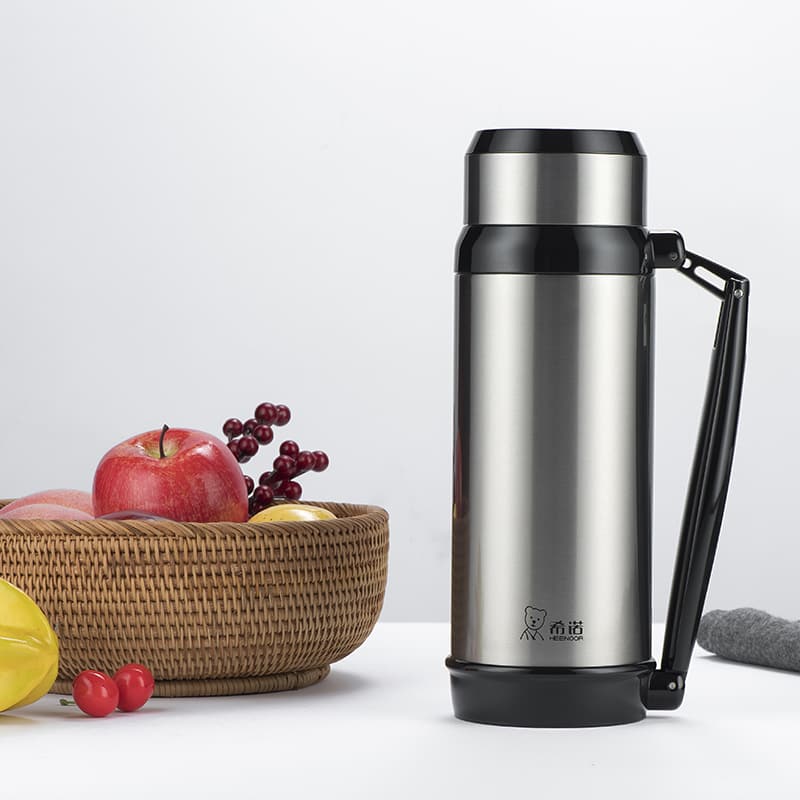
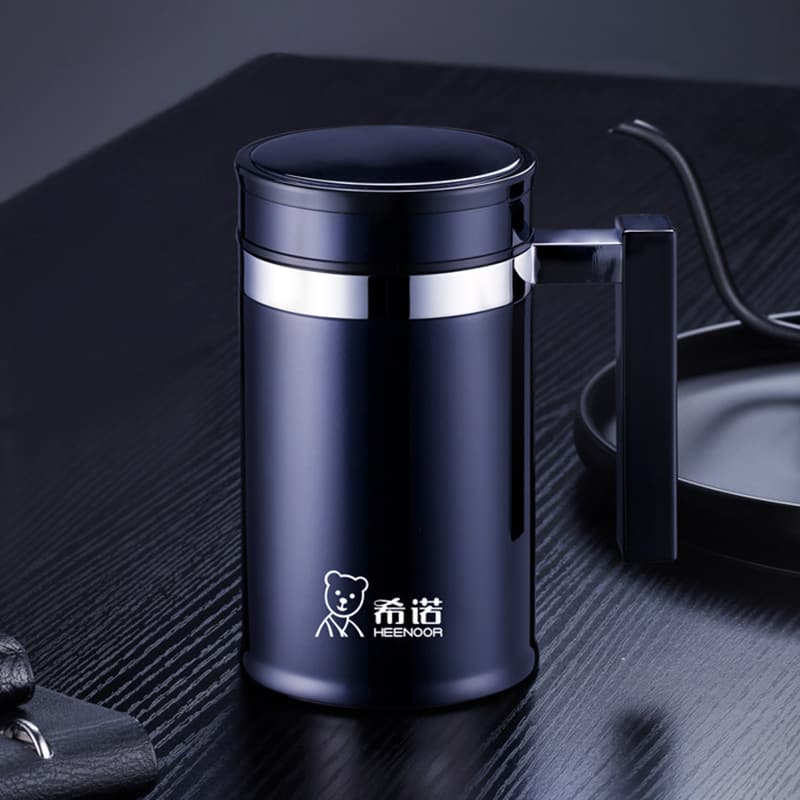 Business Office Handle Stainless Steel Vacuum Flask 480ML480 ml stainless steel vacuum flask with tea filter, silicone seals, reinforced handle, and non-slip base; worth checking for lasting daily-use details.View Product →
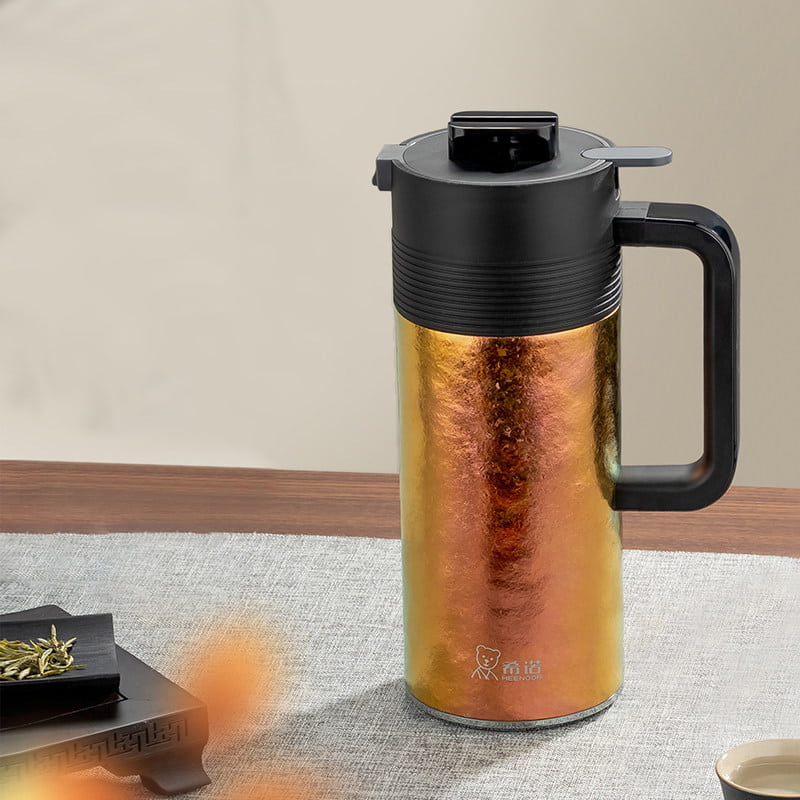
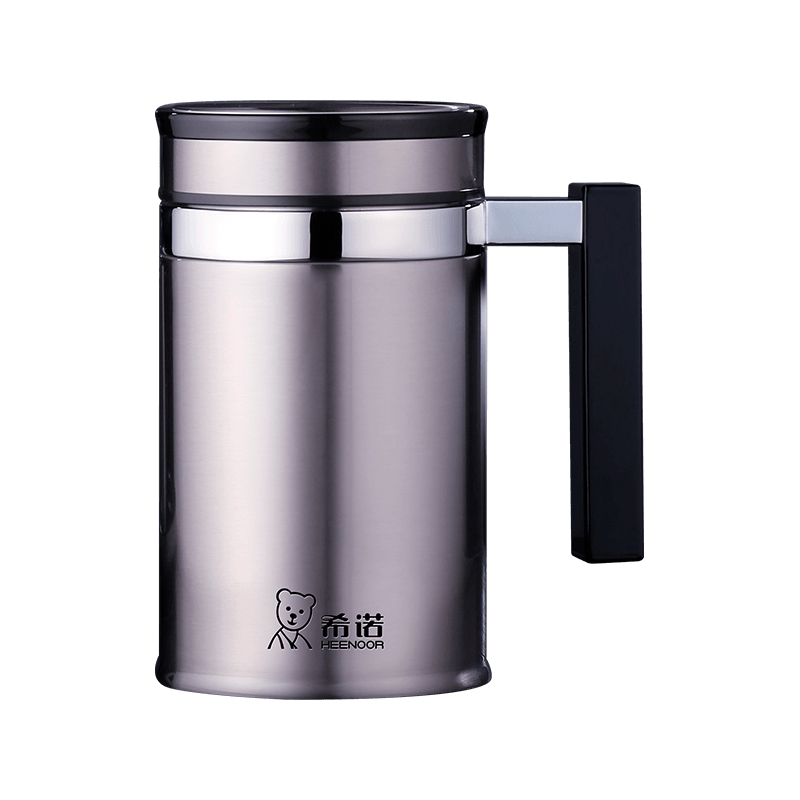
 Pure Titanium Office Vacuum Flask with Handle 520ML520 ml TA1 titanium vacuum flask with zinc alloy/ABS handle, double-wall insulation, and titanium filter; handle joint worth checking for daily office use.View Product →
 HEENOOR Xinyao Handheld Coffee Tumbler 590ML590 ml stainless steel vacuum tumbler with 316L liner, detachable handle, wide 6.7 cm opening, and snap lid; suited to commuting and easy cleaning.View Product →
Best Tumbler With Handle: How to Choose One You'll Actually Keep Using
Content
A tumbler earns its place in your day through small conveniences, and the one people mention most often is a handle. It sounds trivial until you are holding thirty ounces of coffee at arm's length, prying open a lid that has sealed itself shut, or carrying a bottle, a laptop bag and a set of keys all at once.
We have been making drinkware since 1999, and the questions we hear about the best tumbler with handle are rarely about colour. They are about grip, balance, capacity, and whether the bottle will still feel pleasant a year from now. This guide covers what actually separates a handled tumbler you keep from one that ends up at the back of a cupboard.
Why a Handle Changes How You Use a Tumbler
A handle works like a lever. When a bottle is full, its weight sits in a narrow column, and your hand has to close tightly around that column to keep it steady. Add a loop or a side handle and the load spreads across your fingers and palm instead of your wrist. That single change is often why people find they drink more water after switching, without ever deciding to drink more water.
Who notices the difference most
- Anyone filling a 30 oz bottle or larger, where the weight becomes real.
- People who type, write or cook while drinking, and only have one hand free.
- Anyone with a weaker grip, including some older users and people recovering from an injury.
- Commuters juggling a phone, a bag and a door handle at the same time.
- Slow coffee drinkers who hold a mug for an hour rather than a minute.
A handle also keeps your palm off the wall of the vessel, so hot drinks stay comfortable to hold and cold drinks leave less condensation on your fingers.
Handle Styles at a Glance
Handles are not interchangeable. The shape you choose should follow the way you carry the bottle, not the other way around.
| Handle style | Typical capacity | Works best for | Worth knowing |
|---|---|---|---|
| Full fixed loop | 30-40 oz | Desk, kitchen, all-day sipping | Widest grip, but bulkiest in a car cup holder |
| Folding or hinged | 24-32 oz | Travel, trains, day hikes | The hinge collects residue, so rinse it often |
| Removable sleeve | 20-30 oz | Switching between car and desk | Can loosen over time, so check the fit |
| Mug-style side handle | 12-16 oz | Coffee at a table | Light and neat, but small capacity |
| No handle, grip band | 16-24 oz | Bags and pockets | Packs flat, less leverage when full |
If you mostly sit at a desk, a full loop gives you the most control when the bottle is heavy. If you move between a car, a train and a meeting room, a folding or removable handle saves space in a bag, though it adds a joint that needs rinsing.
What Separates a Good Tumbler From a Great One
Insulation is only the beginning. Most handled tumblers look similar in a photograph, and the differences show up in the third month of daily use. If you want a deeper look at how insulation performance is measured, our guide to judging thermal bottle performance is a useful companion. These are the details we check first, and the ones worth checking yourself.
- A true double-wall vacuum gap, not simply a double wall. The vacuum is what makes a heat retention claim meaningful.
- A lid that seals with a silicone gasket, and a gasket you can remove for cleaning rather than one glued in place.
- A handle attached at two points instead of one. Two anchor points spread the load and reduce wobble.
- A base diameter that fits your cup holder, measured before you buy rather than tested afterwards.
- An interior that does not hold yesterday's flavour, which in practice means smooth 304 or 316 grade stainless steel.
- A finish that survives a bag. Powder coating hides scratches; polished bare steel shows every one of them.
- Weight when full, not when empty, because that is the number you actually carry around.
Business Office Handle Stainless Steel Vacuum Flask 480ML480 ml stainless steel vacuum flask with tea filter, silicone seals, reinforced handle, and non-slip base; worth checking for lasting daily-use details.View Product →
None of these details are difficult to get right at the manufacturing stage, but they are almost impossible to correct once the bottle is in your hand.
Material Choices and What They Mean for Daily Use
The body material decides how a tumbler feels, how much it weighs and how it handles flavour. Handles also attach differently to each material, which is part of why the same design rarely translates across the whole category.
Stainless steel is the default for good reason. A 304 or 316 grade interior resists corrosion, does not retain the taste of yesterday's tea, and tolerates being knocked around in a rucksack. Double-wall vacuum construction is what makes an insulation claim hold up, and a plain double wall without the vacuum gap underperforms noticeably in side-by-side testing.
Titanium costs more and earns it in specific situations. It is lighter than steel at the same volume, does not react with acidic drinks, and is often chosen by people who notice a faint metallic aftertaste in other bottles. Handles on titanium tumblers are usually welded or riveted rather than moulded, so the joint deserves a close look before you commit.
Pure Titanium Office Vacuum Flask with Handle 520ML520 ml TA1 titanium vacuum flask with zinc alloy/ABS handle, double-wall insulation, and titanium filter; handle joint worth checking for daily office use.View Product →
Glass and plastic play different roles again. A handled glass bottle suits a desk or a bedside table, where it stays upright and looks the part, while a Tritan or PC bottle is the practical answer for a gym bag or a bike frame. Both are lighter than steel, and both give up some insulation performance in exchange.
Matching the Tumbler to Your Routine
At a desk
Capacity matters more than portability here. A 32 oz handled bottle filled once in the morning covers most of a working day, and the handle means you can pick it up without looking away from your screen.
On the road
Check your cup holder before you fall in love with a design. Measure the base and decide whether you want the bottle to sit loose or be gripped. A slightly narrower base with a low centre of gravity behaves better around corners.
On a trail
Outdoors rewards a secure grip and a lid that does not leak when the bottle tips inside a pack. A folding handle is easier to stow, while a fixed loop is easier to clip to a carabiner.
With tea or coffee
When the drink is hot, the handle does double duty: it gives you leverage on a tight lid and keeps your fingers away from a warm wall. Wide-mouth designs are easier to fill, easier to clean and easier to add ice to in summer.
HEENOOR Xinyao Handheld Coffee Tumbler 590ML590 ml stainless steel vacuum tumbler with 316L liner, detachable handle, wide 6.7 cm opening, and snap lid; suited to commuting and easy cleaning.View Product →Care That Keeps a Handled Tumbler in Service
A handled tumbler is a simple object, and most of the complaints people report come from cleaning rather than from the bottle itself.
- Rinse the handle joint after every use if it is hinged or removable. Residue builds up in small gaps faster than anywhere else on the bottle.
- Take the gasket out of the lid once a week and wash it separately. A gasket left in place can trap liquid underneath and begin to smell.
- Wash by hand when you can. Dishwashers are convenient, but heat and detergent shorten the life of seals and surface coatings.
- Leave the bottle open to dry. Trapped moisture inside a closed vacuum bottle is the most common cause of a stale taste.
- Check screws and rivets once a month. A slightly loose handle is easy to tighten early and irritating to repair later.
A Short Checklist Before You Buy
- Measure your cup holder and your bag pocket before you look at capacity figures.
- Choose a size you will genuinely fill, not the largest one on the shelf.
- Confirm the lid seals with a gasket you can remove.
- Check that the handle attaches at two points, not one.
- Hold the bottle full, or at least imagine it full, before you decide.
Our view on all of this is admittedly biased, but it comes from watching how these bottles are actually built. Since 1999 we have designed, validated and tooled drinking vessels under one roof, which means a handle is not an afterthought bolted onto a finished body. It is part of the mould, tested alongside the bottle it belongs to. You can read more about how we work and what we build if that side of the process interests you.
For brands and organisations ordering in volume, handle design also becomes a customisation question. Different loop shapes, lid finishes and surface treatments change the way a bottle feels in the hand, and those decisions tend to be easier when they are made together with the people who build the tooling. Whatever you end up choosing, pick the handle that suits your hand and your day, then keep the bottle somewhere you can see it. That is usually what makes the difference between a tumbler that gets used and one that gets stored.
You may also like…
Copyright © 2025 Heenoor Co., Ltd. All Rights Reserved.
 Custom Stainless Steel Drinkware Manufacturers
BACK TOP