 English
 中文简体
中文简体 日本語
日本語 Español
 عربى
عربى
Search
Categories
Recommend
Categories
 Lin Yuxi — International Product Sales Manager
Recommend
-
 Industry news
 -
 Industry news
 -
 Industry news
 -
 Industry news
Oct 04, 2026 - By admin
Creative Performance and Manufacturing Value in a Writable Stainless Steel Vacuum Flask
Content
- 1 A New Concept for Everyday Vacuum Drinkware
- 2 Product Specification Overview
- 3 Writable and Erasable Surface Technology
- 4 316L Stainless Steel Interior
- 5 Silver Nano Antibacterial Coating
- 6 Lightweight Construction and Portability
- 7 Multi-Layer Leak-Proof Lid
- 8 Carrying Options and Zinc Alloy Accessories
- 9 Gift Presentation and Personalization
- 10 Applications Across Different User Groups
- 11 Advantages Over Conventional Competitor Products
- 12 Manufacturing Capabilities Behind the Product
- 13 Material and Process Coordination
- 14 Customization and OEM/ODM Potential
- 15 Commercial Value for Brands and Procurement Teams
- 16 Care, Maintenance, and User Guidance
- 17 Why Manufacturing Experience Matters
- 18 Positioning in the Premium Drinkware Market
- 19 Frequently Asked Questions
- 19.1 What is the capacity of the flask?
- 19.2 What material is used for the interior?
- 19.3 Can the outside of the flask be painted?
- 19.4 Can the artwork be removed?
- 19.5 Will the artwork fade when the flask is washed?
- 19.6 How much does the flask weigh?
- 19.7 Is the flask leak-proof?
- 19.8 Does the flask include a carrying strap?
- 19.9 Is personalization available?
- 19.10 Is the product suitable as a gift?
- 19.11 What makes this product different from a standard printed flask?
- 19.12 Who manufactures the flask?
- 19.13 What types of customization should buyers discuss with the manufacturer?
- 20 Conclusion
- 21 References
- 22 Product: LAB Heenoor Painting Coffee Vacuum Flask
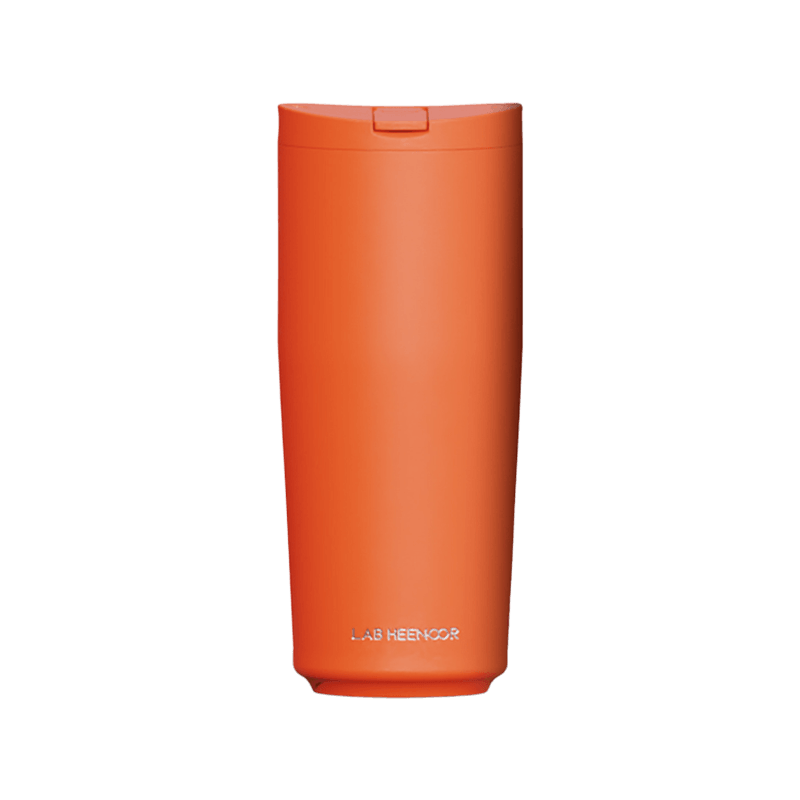
Drinkware is no longer limited to basic containers designed only to hold hot or cold beverages. For modern users, a successful vacuum flask must combine thermal functionality, portability, durability, visual appeal, and a meaningful user experience. The LAB Heenoor Painting Coffee Vacuum Flask responds to this broader expectation by bringing together a writable and erasable exterior, a 316L stainless steel interior, a lightweight 590 ml format, antibacterial surface technology, a multi-layer leak-resistant lid, and flexible carrying options.
This combination gives the product a distinctive position within the stainless steel vacuum flask market. It is not simply a conventional insulated bottle with decorative printing. Its outer surface is intended to become part of the user experience, allowing acrylic paint designs, notes, illustrations, symbols, and temporary expressions to be added and removed. At the same time, its internal construction and daily-use features are designed to preserve the practical qualities expected from dependable drinkware.
For distributors, brand owners, procurement teams, gift-program planners, and organizations seeking customized drinkware, the flask also offers a broader commercial proposition. It can serve as a functional beverage container, a creative activity product, a personalized gift, a branded promotional item, or a lifestyle accessory. Its special gift box and customizable “Apostle Nameplate” provide additional opportunities for presentation and personalization.
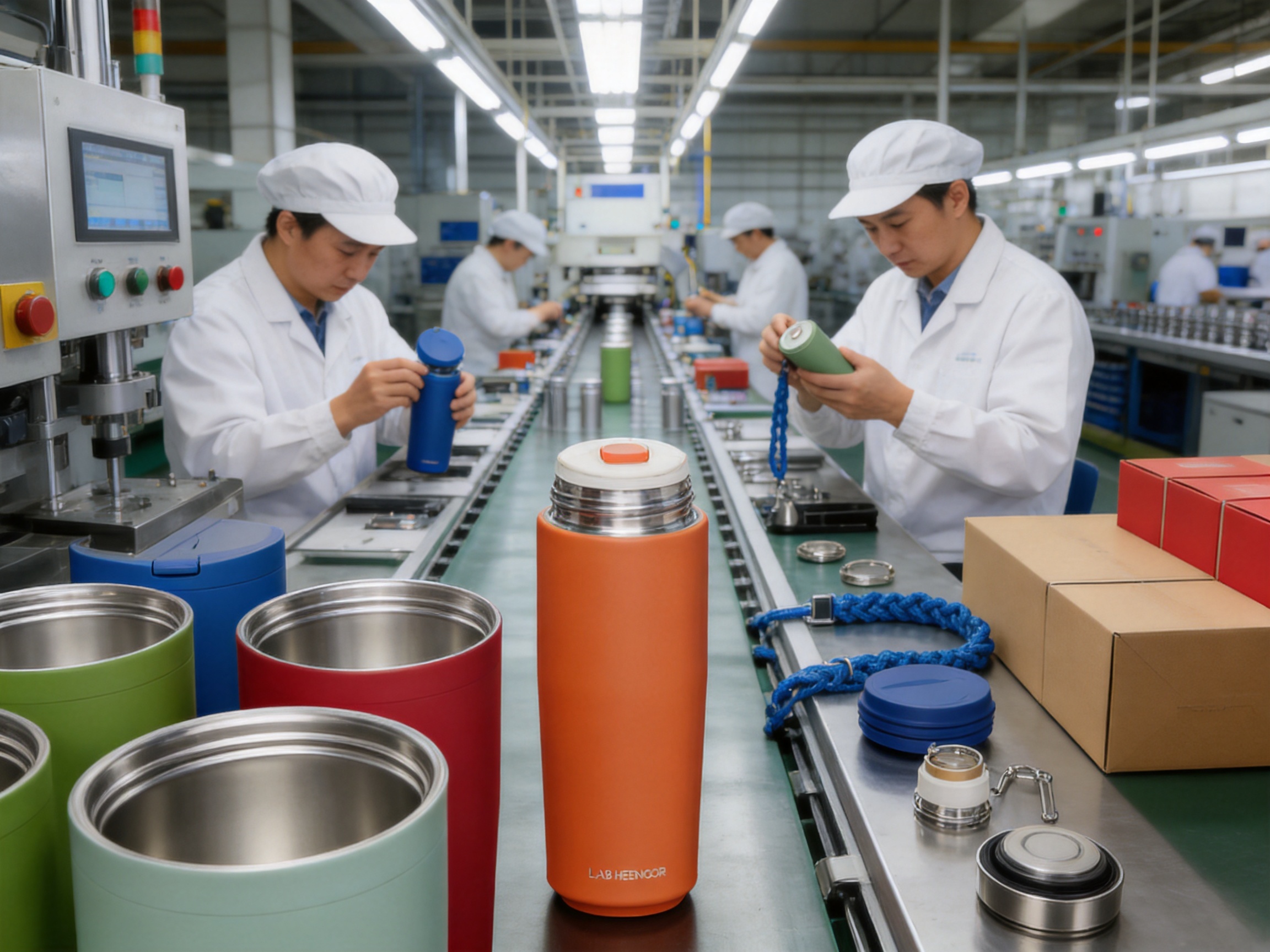
The product is supported by the manufacturing capabilities of Heenoor Co., Ltd., a drinkware manufacturer founded in 1999. The company integrates product design, engineering validation, tooling development, standardized production, and quality management. This integrated model is important because products with multiple functions require more than attractive concepts. They require controlled materials, repeatable production, reliable assembly, and the ability to translate a design into a scalable manufacturing program.
A New Concept for Everyday Vacuum Drinkware
Traditional vacuum flasks generally compete through insulation performance, material quality, capacity, appearance, and price. These remain important, but many products in the category look and function in similar ways. A painted or printed outer shell may provide visual differentiation, yet it usually remains a fixed decoration. The LAB Heenoor Painting Coffee Vacuum Flask introduces a more interactive alternative: the exterior can be used as a creative surface.
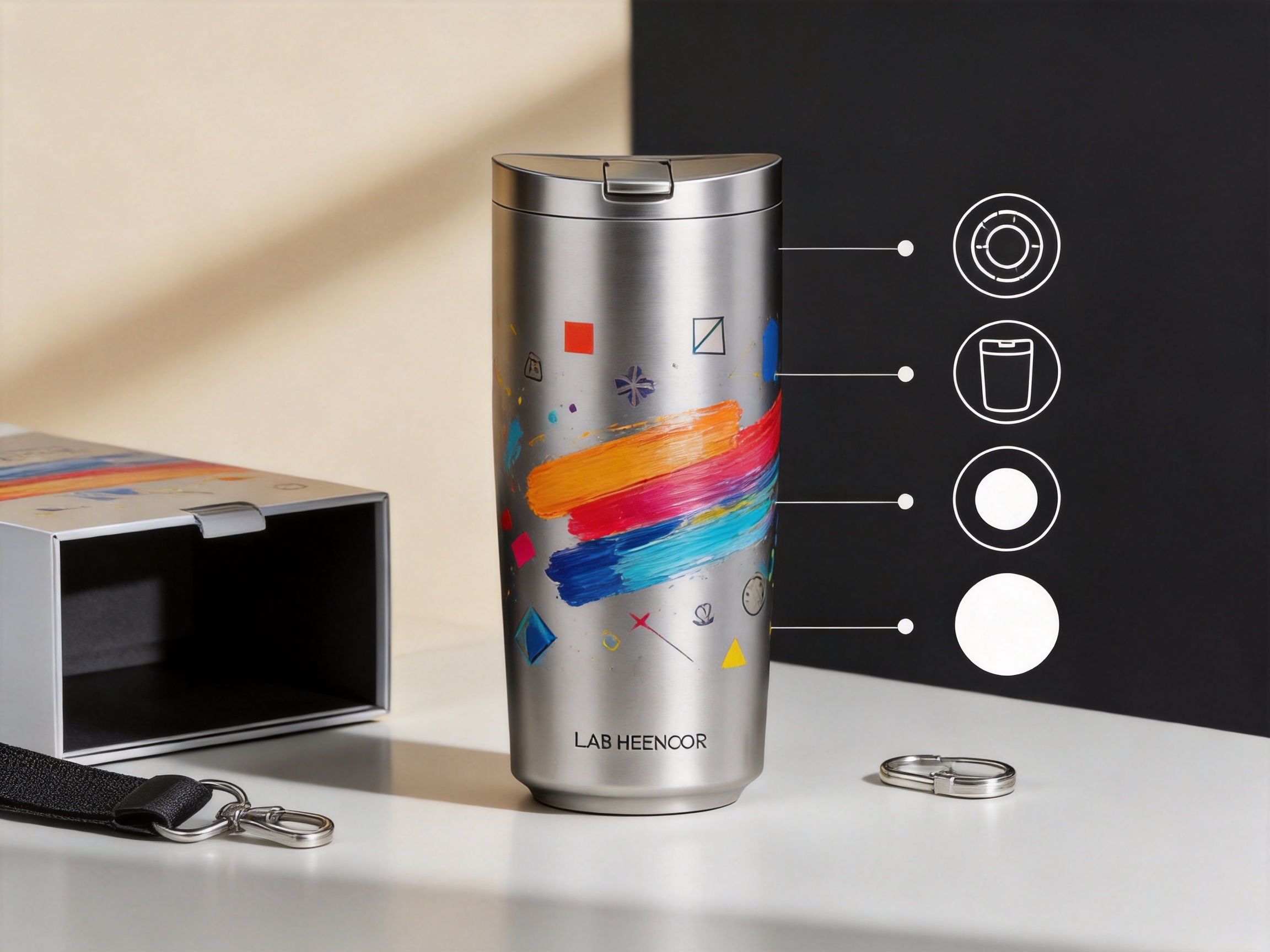
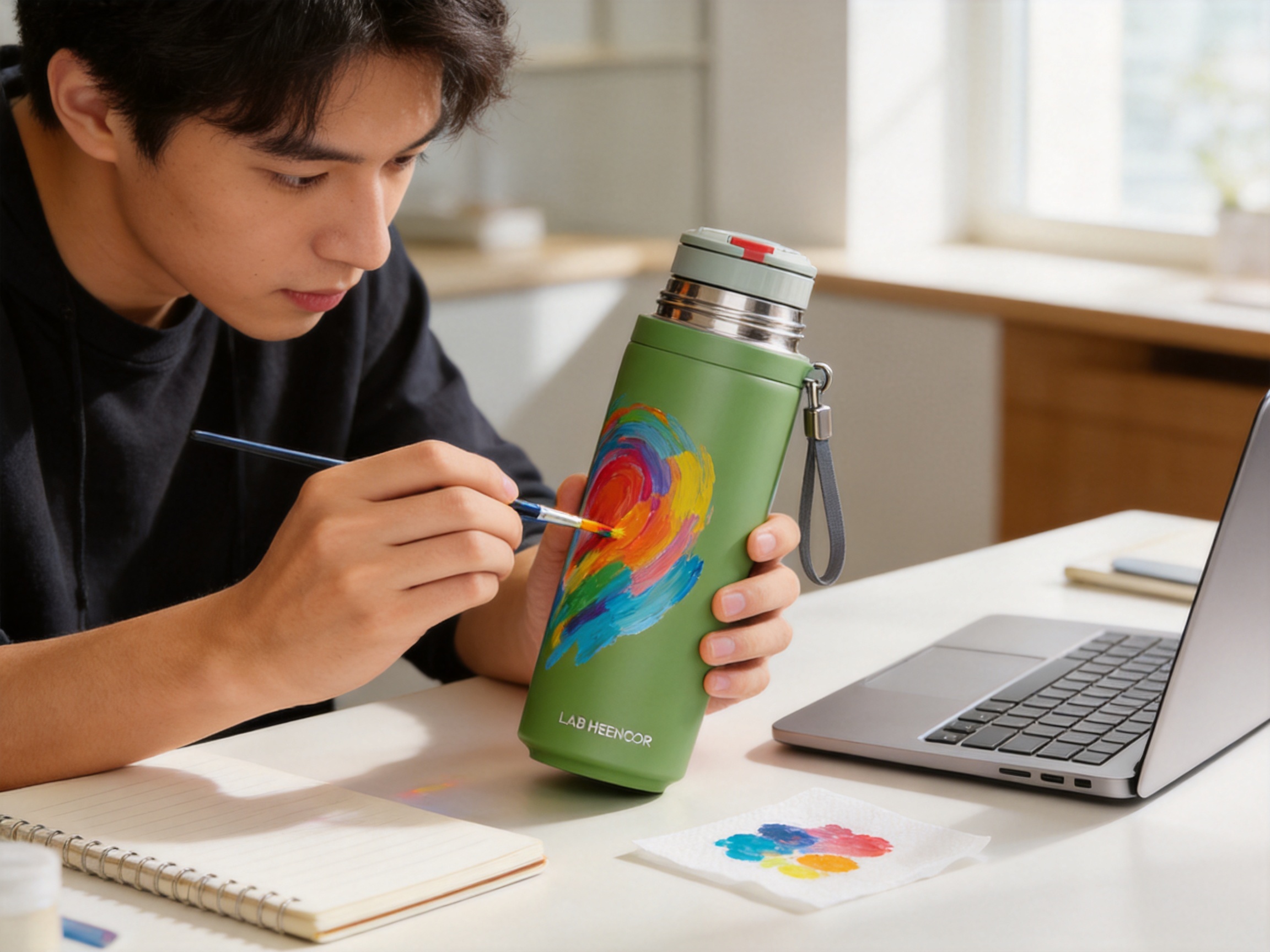
The writable and erasable paint surface allows users to apply acrylic paint and create their own designs. Once the paint has dried, the design can be washed without fading under normal use conditions described for the product. When users want to change the appearance, an alcohol wipe can be used to remove the artwork. This creates a reusable canvas rather than a permanent graphic treatment.
That feature can appeal to several groups. Individual consumers may use the flask for personal sketches, short messages, color experiments, or changing seasonal artwork. Students and creative professionals may use it as a portable visual journal. Families may treat it as a shared activity item. Companies may provide it as an interactive event product. Retailers may position it as a gift that offers both utility and participation.
The creative surface also increases the product’s perceived longevity. A conventional decorative bottle may lose its appeal when its graphic becomes familiar. A writable flask can evolve with its owner. The same product may display a different design every week, during different holidays, or across multiple campaigns. This flexibility can help the product remain relevant beyond the initial purchase.
Product Specification Overview
| Specification | Product Detail | Practical Significance |
|---|---|---|
| Product type | Painting coffee vacuum flask | Combines insulated drinkware with a reusable creative surface |
| Category | Stainless steel vacuum flask | Suitable for everyday beverage use and customized drinkware programs |
| Capacity | 590 ml | Provides a practical volume for commuting, work, study, travel, and leisure |
| Interior material | 316L stainless steel | Supports corrosion resistance and a durable beverage-contact interior |
| Weight | 296 g | Offers a relatively lightweight format for a flask of this capacity |
| Height | 190 mm | Designed for portable daily use and convenient storage |
| Width | 80 mm | Provides a substantial grip while maintaining portability |
| Exterior function | Writable and erasable paint surface | Allows temporary acrylic artwork, notes, and personalization |
| Interior enhancement | Silver nano antibacterial coating | Adds an additional hygiene-oriented feature to the interior design |
| Lid construction | Multi-layer leak-proof structure | Helps reduce leakage risk when the flask is turned upside down |
| Accessories | Zinc alloy accessories and carrying strap | Supports different carrying methods and adds a premium visual element |
| Presentation | Special gift box | Suitable for gifting, retail presentation, and customized programs |
| Personalization | Engraved “Apostle Nameplate” option | Creates opportunities for individual or organizational customization |
The specifications show how the product balances creative expression with everyday usability. A 590 ml capacity is large enough for a meaningful beverage portion without moving into the bulkier dimensions associated with larger travel containers. The 296 g weight supports portability, while the 190 mm height and 80 mm width create a compact cylindrical format suitable for desks, bags, car storage areas, and many standard bottle holders.
For buyers evaluating drinkware programs, the combination of capacity and weight is especially relevant. An oversized bottle may provide more volume but become inconvenient to carry when full. A small bottle may be easy to transport but require frequent refilling. The 590 ml format occupies a practical middle ground for many daily routines.
LAB Heenoor Painting Coffee Vacuum Flask
Writable and Erasable Surface Technology
The most visible point of differentiation is the special paint surface. Instead of treating the outside of the flask as a passive shell, the product turns it into a reusable communication and design area. Acrylic paint can be applied to the surface, allowing users to create patterns, illustrations, color blocks, lettering, or personal messages.
This function creates a different relationship between the user and the product. A standard flask is selected, purchased, and used. A writable flask can be selected, purchased, used, redesigned, and reused creatively. The product’s appearance is not fixed at the time of manufacturing. It can reflect the personality, mood, event, or identity of its owner.
The erasability of the surface is equally important. Permanent customization is useful when a user wants a lasting name or logo, but it can reduce flexibility. Temporary artwork allows more experimentation. Users can try a design, remove it, and begin again. This is particularly suitable for people who value creative freedom but do not want to commit to one visual style.
The surface may also support structured group activities. A school, workshop, café, studio, or corporate event could distribute blank flasks and invite participants to decorate them. The finished products then function as both drinkware and personal records of the activity. Such use cases distinguish the flask from conventional promotional bottles that provide branding but little interaction.
For retailers, the writable feature can support merchandising strategies. The product can be displayed with sample artwork, seasonal themes, or demonstrations of the cleaning process. A retailer may sell complementary creative kits, subject to compatibility and safety guidance, or create limited-time design events. This gives the product storytelling potential beyond its material specifications.
For brand and organization buyers, the surface offers an alternative to fixed full-color printing. A company could use the product as a creative employee gift, a conference activity, or a customer engagement item. The organization may still use engraving for permanent identification while leaving the main surface available for personal artwork. In this way, fixed personalization and temporary creativity can coexist.
Practical Use of Acrylic Paint
Users should follow the recommended care instructions and use suitable acrylic paint products. Paint should be allowed to dry fully before the flask is handled extensively or washed. The product description indicates that dried designs can be washed without fading and can later be removed with an alcohol wipe. Careful cleaning practices remain advisable because aggressive tools, unsuitable chemicals, or excessive abrasion may affect any surface finish over time.
The creative surface is best understood as a controlled decorative system rather than an invitation to use every type of marker, solvent, or industrial coating. Clear guidance from the seller or manufacturer can help users achieve consistent results. For commercial programs, providing simple instructions can reduce misuse and improve customer satisfaction.
316L Stainless Steel Interior
The interior is made from 316L stainless steel, a material widely valued in demanding environments for its corrosion resistance and durability. In drinkware, the internal material is especially important because it comes into direct or indirect contact with beverages, moisture, cleaning processes, and temperature changes.
Compared with lower-grade metal options, 316L stainless steel can offer a strong material foundation for a premium vacuum flask. Its corrosion-resistant characteristics are beneficial for repeated use, particularly when the flask is exposed to water, tea, coffee, and other common beverages. The material also contributes to a durable product lifecycle when the flask is properly cleaned and maintained.
The use of 316L stainless steel helps position the flask above basic drinkware products that focus primarily on low purchase price. Buyers looking for long-term usability, material confidence, and premium presentation may consider this specification a meaningful advantage. It also supports the product’s suitability for gift, corporate, and professional applications where perceived quality matters.
Material selection is only one part of product performance. The quality of forming, welding, polishing, cleaning, assembly, and inspection also influences the final user experience. This is where an integrated manufacturer can provide value. A strong raw material specification must be supported by process discipline to become a reliable finished product.
Silver Nano Antibacterial Coating
The interior is complemented by a silver nano antibacterial coating. This feature adds a hygiene-oriented layer to the internal design and reinforces the product’s premium positioning. Consumers increasingly pay attention to the cleanliness, maintenance, and material environment of reusable drinkware, especially when a product is used repeatedly throughout the day.
The coating should not be viewed as a replacement for regular cleaning. Any reusable flask must be emptied, rinsed, and cleaned according to its care instructions. However, an antibacterial coating can provide an additional design feature for buyers who value enhanced hygiene considerations in daily drinkware.
For procurement teams, coating specifications should be reviewed alongside documentation, process control, and intended use. Consistent application is important, as is compatibility with cleaning procedures and beverage-contact requirements. Heenoor’s emphasis on engineering validation and quality management provides a foundation for handling such requirements in a controlled manufacturing program.
When presented responsibly, the antibacterial feature can strengthen the product’s value proposition without relying on exaggerated claims. The strongest commercial message combines the coating with sound material selection, a cleanable interior, appropriate care guidance, and dependable manufacturing standards.
Lightweight Construction and Portability
The flask weighs 296 g while offering a 590 ml capacity. This balance is one of its practical strengths. A vacuum flask must contain enough material and structure to provide insulation, mechanical stability, and a dependable lid system, yet excessive weight can discourage regular carrying.
The thin and lightweight design is suitable for users who move between home, office, school, studios, cafés, outdoor locations, or transportation hubs. The flask can be placed in a work bag or carried by hand without feeling unnecessarily heavy before a beverage is added. Once filled, every gram becomes more noticeable, so weight control has a direct impact on daily comfort.
The 80 mm width provides a substantial but manageable grip. It is wide enough to support visual coverage for the creative surface while remaining compact enough for common carrying situations. The 190 mm height also contributes to a portable profile, allowing the flask to stand neatly on many desks and tables.
In comparison with large insulated jugs, the product is more adaptable to personal use. In comparison with smaller cups, it offers greater beverage capacity and a more secure closed-container format. This middle positioning allows it to serve a broad range of users without becoming specialized for only one environment.
Multi-Layer Leak-Proof Lid
A bottle or flask can have excellent materials and attractive styling, but a weak closure system can undermine the entire user experience. The product therefore includes a multi-layer leak-proof lid structure designed to prevent leaks when the flask is turned upside down.
Leak resistance is important in practical situations. Users may carry the flask in a backpack, place it beside electronic equipment, or store it in a vehicle. A secure lid reduces the possibility of accidental spills during ordinary movement. The ability to resist leakage when inverted also gives users additional confidence when the flask is packed with other belongings.
A multi-layer structure generally reflects an approach in which sealing is supported by several coordinated components rather than a single point of contact. The effectiveness of the final system depends on dimensional accuracy, gasket quality, thread or closure fit, assembly consistency, and user maintenance. This makes engineering validation and production control essential.
Users should ensure that the lid is fully closed, that sealing components are clean, and that the flask is used within its intended temperature and beverage conditions. As with any reusable container, regular inspection of seals can help maintain performance. The manufacturer’s care instructions should take priority over general guidance.
The leak-proof structure also supports the product’s suitability for gifting and professional distribution. Recipients are more likely to value a creative flask when it performs dependably in everyday conditions. Creative novelty attracts attention, but reliable closure helps convert attention into long-term use.
Carrying Options and Zinc Alloy Accessories
The product includes zinc alloy accessories and a carrying strap. These elements add functional flexibility and contribute to the visual identity of the flask. A strap allows the user to carry the product by hand or attach it in a convenient manner, depending on the design and intended use.
Carrying accessories are particularly useful for users who do not want to place the flask inside a bag. They can support walking, commuting, casual travel, events, and outdoor activities. They also make the product feel more like a personal accessory than a purely utilitarian container.
Zinc alloy components can provide a solid, refined appearance when properly designed and finished. In a premium gift product, small hardware details influence perceived quality. The accessory system should therefore be evaluated as part of the complete product rather than as an afterthought.
The combination of a strap and decorative metal components also expands merchandising possibilities. Retailers can present the flask as a lifestyle product, while companies can use the carrying elements as part of a coordinated gift set. This is an example of how product details can create additional value without changing the fundamental beverage function.
Gift Presentation and Personalization
The special gift box supports the product’s use in personal gifting, employee recognition, event distribution, holiday programs, and premium promotional campaigns. Packaging is particularly important for a product that combines practical use with creative expression. A well-presented box can communicate that the flask is intended to be kept, used, and personalized rather than treated as a disposable giveaway.
The “Apostle Nameplate” customization service adds another layer of personalization by allowing engraving. Unlike the erasable outer surface, engraving can provide a more permanent identification point. A name, short message, designation, or organization-related detail may be used to create a lasting connection with the recipient, subject to the manufacturer’s available customization specifications.
This combination of temporary and permanent customization is a notable advantage. The user can change the main artwork repeatedly while retaining a fixed engraved identifier. For gifts, this creates a balance between individuality and flexibility. For business programs, it can allow an organization to add a permanent event or recipient detail without covering the entire creative surface with a fixed logo.
Customization also supports market segmentation. A retailer may offer standard products for immediate purchase and personalized versions for higher-value orders. A corporate buyer may request a coordinated batch with engraved nameplates. A gift company may integrate the flask into a broader creative or wellness package. These opportunities increase the commercial versatility of the product.
Applications Across Different User Groups
Daily Commuting
For commuters, the flask offers a practical beverage capacity, portable weight, a carrying strap, and a leak-resistant closure. The writable surface provides a way to distinguish the flask from similar containers in a shared workplace or public setting. A user may add a name, color code, or personal design without permanently altering the entire product.
Office and Workplace Use
In an office environment, the flask can hold coffee, tea, water, or other suitable beverages while serving as a desk accessory. Notes or short motivational messages can be added to the surface. Organizations may also distribute customized units as employee gifts, onboarding items, or recognition awards.
Creative Education and Workshops
Schools, studios, art programs, and creative workshops can use the product as a practical canvas. Participants can decorate their own flasks and continue using them after the activity. This gives the creative exercise a lasting purpose and may encourage more consistent hydration habits.
Events and Brand Engagement
At conferences, exhibitions, pop-up stores, and community events, a writable flask can create more interaction than a standard printed bottle. Attendees may be invited to design a surface, write a message, or participate in a themed activity. The product then becomes a physical reminder of the event.
Premium Gifting
The 316L stainless steel interior, special box, metal accessories, carrying strap, and engraving option support premium gifting. It may be suitable for employee milestones, client appreciation, seasonal gifts, creative celebrations, or personal occasions. The product has both a useful function and a story, which can make it more memorable than a generic container.
Travel and Leisure
The lightweight format and carrying options make the flask suitable for casual travel and leisure activities. Users can change the artwork to match destinations, seasons, trips, or personal interests. The leak-resistant design is useful when the flask is placed in a bag or carried during movement.
Advantages Over Conventional Competitor Products
Competition in the vacuum flask market includes standard stainless steel bottles, printed promotional drinkware, glass containers, plastic tumblers, and premium insulated vessels. The LAB Heenoor Painting Coffee Vacuum Flask does not need to replace every category to be commercially valuable. Its advantage comes from combining features that are often separated across different product types.
Compared with a conventional stainless steel flask, its writable and erasable surface offers greater personalization and repeat engagement. A normal flask may have attractive colors or permanent printing, but the appearance is usually fixed. This product allows users to change the exterior without purchasing a new container.
Compared with a disposable promotional bottle, the 316L stainless steel interior and reusable construction support a more durable, premium-oriented proposition. The gift box and engraving option further elevate its suitability for meaningful distribution programs.
Compared with a glass bottle, the stainless steel construction offers a different balance of durability and portability. Glass can provide visual clarity, but it may be less suitable for users who prioritize impact resistance and lightweight carrying. The product’s metal construction is designed for repeated everyday use.
Compared with many plastic drinkware products, the product offers a metal interior, vacuum flask format, a more substantial premium feel, and a creative outer surface. While plastic products may compete strongly on cost or weight, this flask is aimed at buyers who value material quality, personalization, and presentation.
Compared with large-capacity insulated bottles, the 590 ml size and 296 g weight provide a more personal and portable profile. It is designed for daily convenience rather than maximum volume. This can make it more appropriate for work, study, short trips, and gift programs.
The product’s strongest competitive position therefore lies in integration. Its features are not isolated: the creative surface attracts attention, the stainless steel interior supports durability, the lightweight body improves portability, the lid supports secure carrying, the strap adds convenience, and the gift presentation increases perceived value.
Manufacturing Capabilities Behind the Product
A distinctive product concept requires a manufacturer capable of managing several technical disciplines at the same time. Heenoor Co., Ltd. was founded in 1999 and has developed experience in product development and industrial manufacturing. Its stated capabilities include product design, engineering validation, tooling development, standardized production, and quality management.
This integrated structure can reduce the distance between concept and production. Product design establishes the form and user experience. Engineering validation examines whether the concept can meet practical requirements. Tooling development creates the production equipment and forming conditions needed for repeatability. Standardized production organizes the manufacturing sequence, while quality management provides inspection and process oversight.
For a vacuum flask with a specialized writable surface, this coordination is especially important. The outer finish must be functional as well as attractive. The interior must be formed and finished consistently. The lid must match the body accurately. Accessories must be assembled securely. Engraving must be controlled. Packaging must protect the finished product. Each stage contributes to the final result.
Product Design and Engineering Validation
Product design is not limited to visual styling. It includes capacity, dimensions, weight, grip, lid interaction, accessory placement, surface treatment, cleaning considerations, and packaging requirements. Engineering validation then helps determine whether the proposed design can be produced reliably and used safely within its intended application.
Validation may include dimensional checks, closure evaluations, surface assessments, assembly reviews, and practical handling tests. The exact test program depends on the product specification and customer requirements. The important point is that a design should be evaluated as a complete system rather than judged only by a sample image or prototype.
Tooling Development
Tooling influences shape consistency, production efficiency, and surface quality. Properly developed tooling helps control body dimensions, lid interfaces, accessory connections, and other critical features. It also supports repeatable production when larger orders require many units to maintain the same appearance and fit.
For custom drinkware, tooling expertise is valuable because buyers may request specific dimensions, finishes, logos, engraving areas, or packaging structures. A manufacturer with tooling development capabilities can better evaluate the relationship between a customer’s concept and the practical requirements of production.
Standardized Production
Standardized production is central to scalable drinkware manufacturing. It establishes defined procedures for material handling, forming, welding or joining, cleaning, surface treatment, assembly, inspection, and packing. Standardization does not eliminate customization. Instead, it creates a controlled foundation on which customization can be added.
In the case of the painting vacuum flask, the writable coating or surface treatment must be applied consistently enough to support the intended user experience. The interior coating, lid components, strap, zinc alloy accessories, engraving, and gift box also require coordination. Standardized workflows help reduce variation across production batches.
Quality Management
Quality management supports reliability throughout the product lifecycle. It can include incoming material checks, in-process inspection, finished-product evaluation, packaging review, and documentation. For procurement teams, this discipline is important because product quality must remain consistent across repeat orders rather than depending on one successful sample.
Heenoor’s experience with stainless steel, titanium, plastic, and glass drinkware allows it to work across multiple material categories and application requirements. This breadth can benefit customers seeking a manufacturing partner capable of evaluating different product directions, even when a particular project focuses on stainless steel.
Material and Process Coordination
Drinkware manufacturing involves more than selecting a material from a specification sheet. Material thickness, forming behavior, surface condition, joining methods, cleaning, and finishing must be coordinated. The interior and exterior may have different functional requirements, especially when the outside is intended for painting while the inside is intended for beverage contact.
The 316L stainless steel interior provides a strong foundation, but the final product must also be free from undesirable residues, properly finished, and assembled with compatible components. The silver nano antibacterial coating requires controlled application and appropriate verification. The lid system requires accurate fit. The strap and zinc alloy hardware must be attached in a way that supports repeated handling.
These requirements demonstrate why integrated manufacturing matters. When design, engineering, tooling, production, and quality functions communicate effectively, potential problems can be identified earlier. This can improve development efficiency, reduce unnecessary revisions, and support more predictable commercial delivery.
Customization and OEM/ODM Potential
The product is already designed with customization in mind through the engraved “Apostle Nameplate” service. For professional buyers, customization may extend to packaging, engraving content, color direction, accessory coordination, instruction cards, and order presentation. The exact scope depends on project requirements, order quantities, tooling conditions, and technical review.
OEM and ODM customers often need more than a logo application. They may require a product that fits an existing brand identity, campaign theme, gift strategy, or retail category. The writable surface provides an unusual starting point because it allows the end user to complete part of the design. A brand can define the framework while leaving creative participation to the customer.
Procurement teams should establish requirements early. Important topics may include target markets, beverage use, packaging language, engraving content, artwork limitations, sample approval, order quantity, inspection standards, delivery schedule, and after-sales support. Clear technical communication helps ensure that creative expectations are translated into manufacturable specifications.
Commercial Value for Brands and Procurement Teams
From a commercial perspective, the product provides several layers of value. First, it is a functional reusable container. Second, it offers interactive personalization. Third, it has premium material and presentation features. Fourth, it can be adapted for gifts, events, and branded programs. These layers allow buyers to justify the product through more than one purchasing objective.
A company purchasing ordinary bottles may focus on unit cost and logo visibility. A company purchasing this flask may also consider engagement, perceived gift value, event participation, and long-term use. The product can become part of a broader communication strategy in which recipients interact with the item rather than simply receive it.
For retailers, the product’s visual and functional novelty may help it stand out on a crowded shelf. The combination of creative surface, stainless steel construction, strap, metal details, and gift box can be communicated through demonstrations and display samples. Retailers may also present different artwork examples to show how the same flask can appeal to different customer groups.
For institutional buyers, the product may support employee wellness, creative programs, conference participation, or sustainability-oriented initiatives. Reusable drinkware alone does not guarantee sustainable behavior, but a product that users enjoy and continue carrying may have stronger practical retention than a disposable or forgettable item.
Care, Maintenance, and User Guidance
Proper care supports the useful life of any reusable flask. Users should clean the interior regularly and allow all components to dry as appropriate. The lid, seals, and accessory areas should be checked for residue or debris. The flask should be used according to the manufacturer’s guidance regarding beverage types, temperature, cleaning tools, and storage.
Because the exterior is intended for creative use, users should allow acrylic designs to dry completely before washing. When removing artwork, an alcohol wipe may be used as indicated in the product information. Users should avoid unapproved abrasive materials or aggressive solvents that could affect the surface finish.
The lid should be closed securely before the flask is placed in a bag. If the product is carried upside down, users should confirm that the closure and sealing surfaces are correctly positioned. Regular inspection is particularly important for products used frequently or transported under demanding conditions.
Care instructions are also valuable for commercial programs. A concise instruction card placed inside the gift box can explain how to create, dry, wash, and remove artwork. It can also communicate cleaning recommendations and help recipients understand the product’s distinctive features from the beginning.
Why Manufacturing Experience Matters
Heenoor’s history since 1999 provides a long operating background in drinkware development and manufacturing. Experience does not replace product-specific validation, but it can provide a valuable foundation for managing recurring challenges such as material sourcing, tooling, assembly, surface treatment, inspection, packaging, and export-oriented project coordination.
The company’s work across stainless steel, titanium, plastic, and glass gives it exposure to different material behaviors and customer expectations. This broader experience can support practical decision-making during product development. For example, a customer may begin with a design idea and need guidance on how to balance wall thickness, weight, finish, capacity, and production feasibility.
Manufacturing strength is also reflected in the ability to support large-volume programs. Reliable volume production requires repeatable processes, controlled supply chains, trained personnel, equipment maintenance, inspection systems, and clear documentation. These capabilities are essential when a product includes both standard drinkware components and customized details.
For international buyers, project communication and long-term supply stability are equally important. A manufacturing partner should be able to discuss specifications clearly, manage sample development, coordinate approvals, and support consistent production over time. Heenoor positions itself as a partner for brands, organizations, and procurement teams that value technical clarity, manufacturing discipline, and dependable project support.
Positioning in the Premium Drinkware Market
The product can be positioned between creative lifestyle goods and functional premium drinkware. Its 316L stainless steel interior and silver nano antibacterial coating appeal to buyers who focus on material and hygiene considerations. Its creative surface and nameplate option appeal to buyers who prioritize personal expression. Its gift box and carrying accessories strengthen its suitability for premium presentation.
This combination can support several price and channel strategies, depending on customization and market conditions. It may be offered as an individual retail product, part of a gift collection, a corporate order, a limited creative edition, or an event-specific item. The same underlying product can therefore serve different commercial narratives.
Its most important differentiation is not a single isolated feature but the relationship among features. The flask is useful because it carries beverages. It is distinctive because the user can redesign it. It feels premium because of its material, accessories, packaging, and engraving options. It is suitable for professional programs because it comes from a manufacturer with integrated development and production capabilities.
Frequently Asked Questions
What is the capacity of the flask?
The flask has a capacity of 590 ml. This format is suitable for daily water, coffee, tea, and other appropriate beverages while remaining portable for work, study, commuting, travel, and leisure.
What material is used for the interior?
The interior is made from 316L stainless steel and is complemented by a silver nano antibacterial coating. Regular cleaning remains necessary, and users should follow the manufacturer’s care guidance.
Can the outside of the flask be painted?
Yes. The special exterior surface is designed for acrylic painting. Users can create designs, lettering, patterns, or illustrations after preparing and applying suitable acrylic paint.
Can the artwork be removed?
Yes. The product information states that designs can be wiped off with an alcohol wipe, allowing the surface to be reused for new creative work.
Will the artwork fade when the flask is washed?
Once the acrylic design has dried, it is described as washable without fading. Users should still follow recommended cleaning methods and avoid harsh abrasion or unsuitable chemicals.
How much does the flask weigh?
The product weighs approximately 296 g. Its thin and lightweight construction is intended to improve portability while maintaining the features of a vacuum flask.
Is the flask leak-proof?
The lid uses a multi-layer leak-proof structure designed to prevent leaks when the flask is turned upside down. The lid should be closed correctly, and sealing components should be kept clean and properly maintained.
Does the flask include a carrying strap?
Yes. It includes a carrying strap along with zinc alloy accessories, supporting different carrying and handling options.
Is personalization available?
Personalized customization is available for the “Apostle Nameplate,” allowing engraving according to the manufacturer’s customization service and technical requirements.
Is the product suitable as a gift?
Yes. The special gift box, premium stainless steel interior, creative exterior, carrying accessories, and engraving option make it suitable for personal gifts, corporate programs, events, and recognition occasions.
What makes this product different from a standard printed flask?
A standard printed flask normally has a fixed graphic. This product has a writable and erasable surface that allows the user to change the artwork repeatedly. It therefore provides both drinkware functionality and an interactive personalization experience.
Who manufactures the flask?
The product is manufactured by Heenoor Co., Ltd., a drinkware manufacturer founded in 1999 with capabilities covering design, engineering validation, tooling development, standardized production, and quality management.
What types of customization should buyers discuss with the manufacturer?
Buyers should discuss engraving content, artwork requirements, packaging, accessories, order quantities, sample approval, inspection standards, delivery expectations, and any market-specific documentation needed for the project.
Conclusion
The LAB Heenoor Painting Coffee Vacuum Flask presents a distinctive approach to reusable drinkware. It combines a creative, writable exterior with a 316L stainless steel interior, silver nano antibacterial coating, lightweight 590 ml construction, multi-layer leak-resistant lid, zinc alloy accessories, carrying strap, gift box, and engraving potential.
Its competitive advantage comes from combining practical performance with user participation. The flask can carry a beverage securely, travel conveniently, and support repeated daily use, while its exterior can be redesigned whenever the user wants a new expression. This makes it more adaptable than a conventional fixed-print bottle and more engaging than a standard promotional container.
The manufacturing foundation is equally important. Heenoor’s integrated capabilities in product design, engineering validation, tooling development, standardized production, and quality management support the transition from creative concept to scalable drinkware program. Its experience with stainless steel, titanium, plastic, and glass products also provides a broad technical background for serving different applications and buyer requirements.
For consumers, the flask offers a personal creative experience. For retailers, it offers visual differentiation and merchandising potential. For brands and procurement teams, it offers a customizable gift and engagement platform. For manufacturing partners, it represents the kind of product that requires coordinated material, process, and quality control. Together, these qualities position the flask as a practical and creative solution within the evolving stainless steel drinkware market.
References
1. Product specification and description provided for the LAB Heenoor Painting Coffee Vacuum Flask.
2. Internal product information covering capacity, materials, dimensions, weight, accessories, packaging, and customization options.
3. General technical references concerning stainless steel selection and corrosion-resistant materials used in reusable drinkware.
4. General manufacturing references concerning product design, engineering validation, tooling development, standardized production, and quality management.
5. General reusable drinkware care and maintenance principles for stainless steel vacuum flasks.
6. Company information provided for Heenoor Co., Ltd., including its history, material capabilities, product development activities, and industrial manufacturing strengths.
Product: LAB Heenoor Painting Coffee Vacuum Flask

You may also like…
Copyright © 2025 Heenoor Co., Ltd. All Rights Reserved.
 Custom Stainless Steel Drinkware Manufacturers
BACK TOP