 English
 中文简体
中文简体 日本語
日本語 Español
 عربى
عربى
Search
Categories
Recommend
Categories
 Lin Yuxi — International Product Sales Manager
Recommend
-
 Industry news
 -
 Industry news
 -
 Industry news
 -
 Industry news
Sep 30, 2026 - By admin
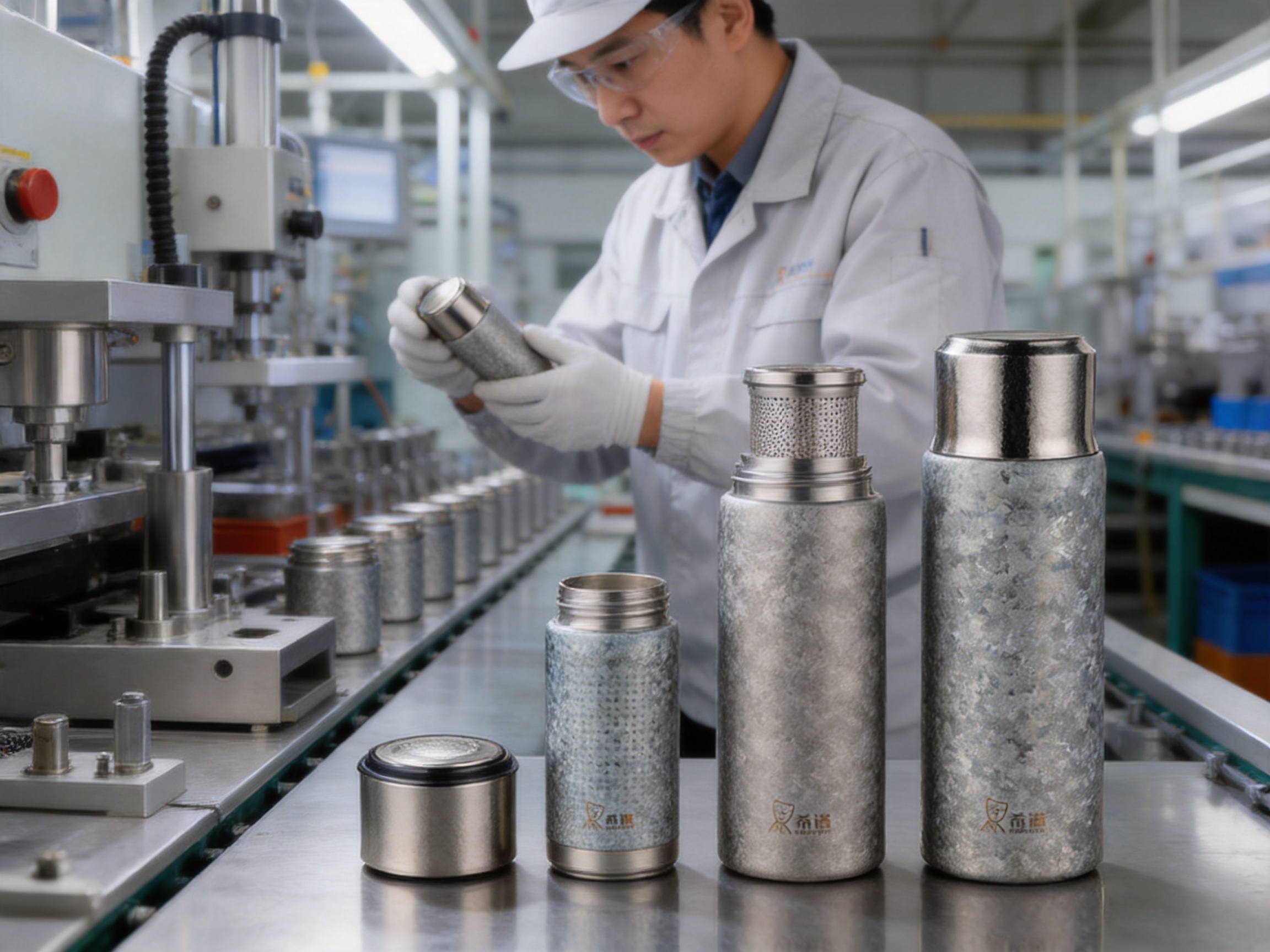
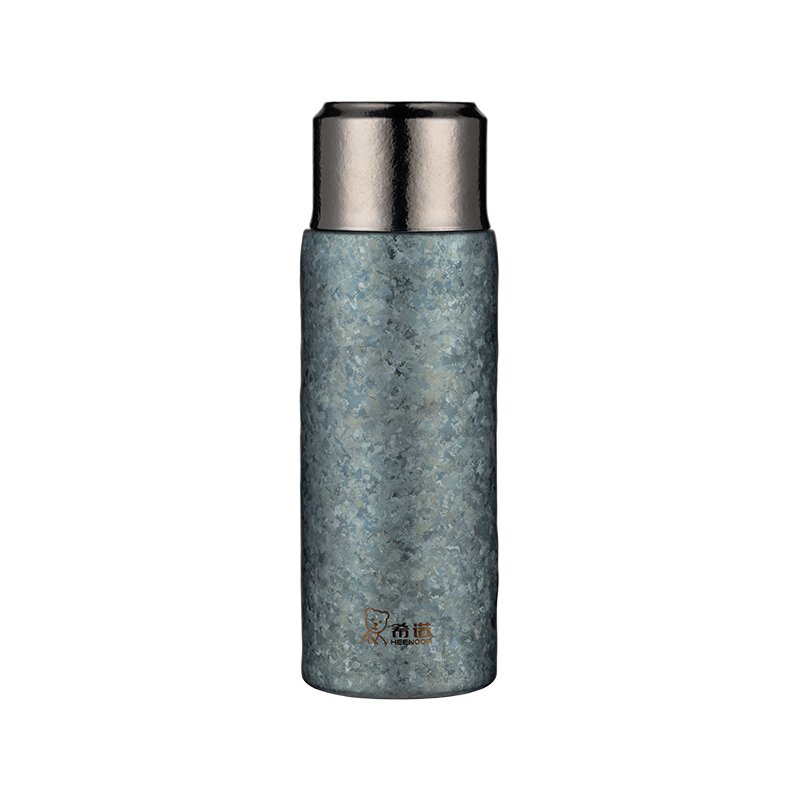
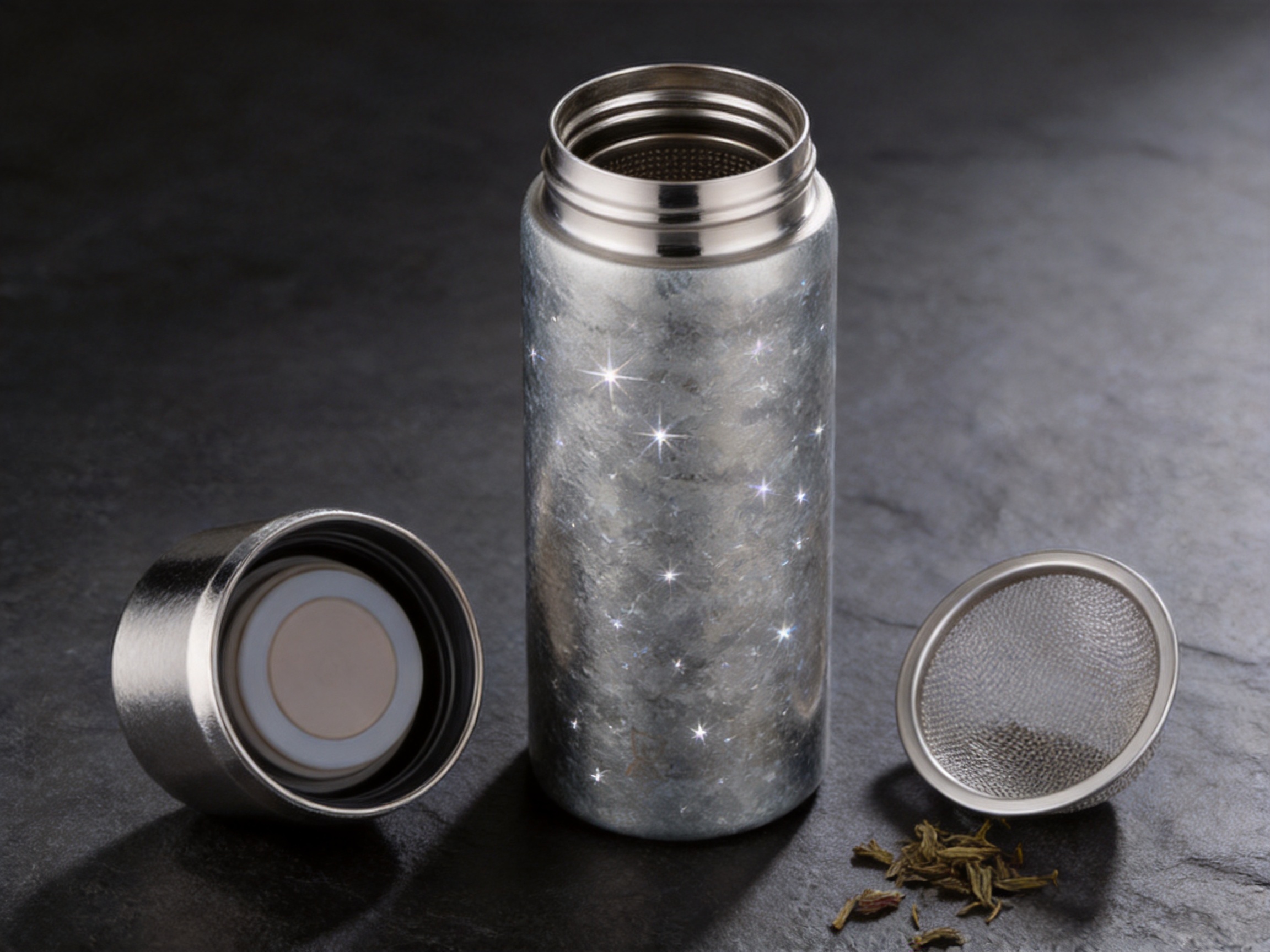

Pure Titanium Magnetic Tea Filter Flask: Performance, Design, and Manufacturing Excellence
Content
- 1 Designed for the Modern Tea-Drinking Experience
- 2 Pure Titanium as a Premium Drinkware Material
- 3 A Surface Pattern That Combines Appearance and Tactile Quality
- 4 Fine-Mesh Filtration for Clearer Tea
- 5 Magnetic Lid Operation and Secure Closure
- 6 Temperature Retention for Hot and Cold Beverages
- 7 Comfortable Drinking from a Smooth Rim
- 8 Two Capacities for Different Daily Routines
- 9 Advantages Compared with Conventional Drinkware
- 10 Manufacturing Capability Behind the Product
- 11 Why Manufacturing Integration Matters to Buyers
- 12 Applications Across Multiple Markets
- 13 Maintenance and Daily Care
- 14 Sustainability Through Reusable Product Design
- 15 Product Differentiation for Custom Drinkware Programs
- 16 Technical Summary
- 17 Quality Considerations for Professional Procurement
- 18 Q&A
- 18.1 What material is used for the flask body?
- 18.2 What capacities are available?
- 18.3 Does the flask include a tea filter?
- 18.4 Can the filter be removed for cleaning?
- 18.5 How does the magnetic lid work?
- 18.6 Is the flask suitable for both hot and cold drinks?
- 18.7 What materials are used in the inner lid?
- 18.8 What materials are used in the filter?
- 18.9 What are the approximate weights?
- 18.10 What makes the exterior different from a standard bottle?
- 18.11 Is the rim comfortable for direct drinking?
- 18.12 Where can the flask be used?
- 18.13 What advantages does pure titanium offer in this product?
- 18.14 How does the manufacturer support large-volume drinkware programs?
- 18.15 Can the product be considered for private-label or custom projects?
- 19 Conclusion
- 20 References
- 21 Product: Tianyu Pure Titanium Magnetic Thermos Flask
Modern drinkware is expected to do much more than hold a beverage. Users increasingly look for products that combine safe materials, dependable temperature retention, convenient operation, easy cleaning, attractive design, and long-term durability. For tea drinkers in particular, the ideal flask must provide a clean separation between the beverage and the tea leaves while remaining comfortable to carry and pleasant to use throughout the day. The Tianyu Pure Titanium Magnetic Thermos Flask is designed around these expectations, combining a pure titanium body, a detachable fine-mesh filter, a magnetic opening mechanism, and multilayer insulation technologies in one compact product.
This flask is positioned for daily tea drinking at home, in the office, during travel, and in outdoor environments. It is available in 290 ml and 490 ml capacities, allowing users to choose between a compact personal serving and a larger volume for extended use. Its titanium construction gives it a distinctive material advantage over ordinary drinkware, while its needle-like crystalline surface pattern adds visual identity and tactile appeal. The result is a product that is practical enough for everyday use but refined enough for premium drinkware programs.
Designed for the Modern Tea-Drinking Experience
Tea preparation and consumption involve details that ordinary water bottles do not always address. Tea leaves may float into the mouth, continue steeping and create excessive bitterness, or block the drinking opening. A conventional bottle may also require a separate infuser, which can be inconvenient to remove, clean, or store. The Tianyu flask addresses these challenges through an integrated fine-mesh filter that separates tea leaves from the liquid while allowing the brewed tea to flow smoothly.
The integrated filter supports a more controlled drinking experience. Users can place tea inside the filter, add hot or cold water, and drink directly from the flask without transferring the beverage to another cup. Because the screen is designed to retain tea leaves, each sip can remain clear and comfortable. The filter is also detachable, making it possible to remove residual tea leaves and wash the component thoroughly after use.
The design is equally suitable for people who prefer loose-leaf tea and those who use the flask for infused water or other beverages that benefit from separation. Its versatility allows one product to serve several daily routines instead of requiring a dedicated tea pot, infuser, and portable bottle.
Pure Titanium as a Premium Drinkware Material
The cup body is made from TA1 pure titanium. Titanium is valued in drinkware because it combines low weight, mechanical strength, corrosion resistance, and a refined appearance. Compared with many traditional metal alternatives, titanium can provide a lightweight user experience without giving up a solid and durable feel in the hand.
Material selection has a direct effect on the service life of drinkware. A bottle used every day is exposed to hot water, cold beverages, moisture, cleaning cycles, handling, and occasional impact. A material that resists corrosion and maintains its structural integrity over repeated use is better suited to long-term ownership. The use of TA1 titanium in the cup body reflects a focus on durability and dependable performance rather than disposable convenience.
Titanium is also well suited to premium product positioning. It has a distinctive material character that differs from standard stainless steel and plastic. Many consumers associate titanium with outdoor equipment, advanced engineering, and lightweight performance. By bringing this material into a tea flask, the product can appeal to users who appreciate technical construction as well as visual simplicity.
Another important advantage is the balance between strength and weight. The 290 ml model weighs approximately 0.26 kg, while the 490 ml model weighs approximately 0.28 kg. This relatively modest weight makes the flask practical for office bags, travel packs, bedside use, and outdoor activities. The larger version offers additional capacity without creating a proportionally heavy carrying burden.
A Surface Pattern That Combines Appearance and Tactile Quality
The flask body features a patented needle-like crystalline pattern. The pattern resembles small points of light or twinkling stars, giving the surface a distinctive appearance without depending on excessive decoration. It helps the product stand apart from plain polished or painted containers and contributes to a more premium visual identity.
Surface design is not only an aesthetic consideration. The pattern also influences how the flask feels in the hand. A carefully developed texture can improve tactile interest and support a more secure grip than a completely smooth exterior. For a product that may be used with hot beverages, one-handed handling, or frequent carrying, the relationship between surface finish and ergonomics is important.
The crystalline appearance can also support product differentiation in retail and custom drinkware projects. Many bottles have similar cylindrical silhouettes, so surface treatment becomes a key method of creating recognizable identity. A unique texture can help a product stand out on a shelf, in product photography, or in a corporate gift collection. The pattern gives the flask a visual signature while maintaining a clean and functional form.
Unlike temporary printed decoration, an engineered surface treatment can be integrated into the product development process as part of the overall body design. This approach supports greater consistency between appearance, grip, and manufacturing repeatability. It also gives brands an opportunity to present a product that feels designed rather than simply assembled from standard components.
Tianyu Pure Titanium Magnetic Thermos Flask
Fine-Mesh Filtration for Clearer Tea
The fine-mesh filter is one of the product’s central functional advantages. Loose-leaf tea can provide a richer and more personalized brewing experience, but it also introduces the practical problem of separating the leaves from the finished drink. The integrated filter solves this problem within the flask itself.
During use, the filter holds tea leaves in a dedicated area while allowing water to pass through. As the tea brews, the liquid can be consumed without allowing most leaves to enter the mouth. This is particularly useful for users who drink directly from the flask and do not want to carry a separate strainer or cup.
The filter can also help users manage the intensity of a beverage. Depending on the tea type and personal preference, the filter may be removed once the desired strength is reached. This provides greater control than leaving loose leaves at the bottom of a bottle, where they may continue steeping for an extended period. It can also help reduce sediment and improve the overall visual clarity of the beverage.
Detachable construction is essential to the hygiene of a reusable tea flask. Tea residue can accumulate in corners, around screens, or near the lid if components are permanently fixed and difficult to access. The removable filter allows users to clean the screen directly and inspect it after use. This supports more consistent maintenance and helps the product remain fresh over repeated brewing cycles.
For commercial buyers, the detachable filter is also a useful selling point because it communicates practical usability in a simple way. Consumers can immediately understand the benefit: tea can be brewed and carried in one container, and the filter can be removed for cleaning. This clear value proposition can support product education, e-commerce presentation, and point-of-sale communication.
Magnetic Lid Operation and Secure Closure
The flask uses a magnetic lid design with a simple rotational operating method. Turning the lid to the right opens it, while turning it to the left closes it. This intuitive motion makes the product easy to understand and reduces the number of steps required to access the drink.
The magnetic mechanism gives the lid a distinctive user experience. Magnets can help guide the lid into position and create a smooth, controlled interaction. Instead of relying on a complicated mechanism, the design presents opening and closing as a natural movement. This can be especially helpful when the user is working at a desk, preparing tea while traveling, or handling the flask with one hand.
A secure closure is essential for portable drinkware. A loose or poorly aligned lid can lead to leakage, inconvenience, and damage to personal belongings. The magnetic lid is designed to support a secure seal when closed, helping protect the beverage and the surrounding bag or work surface. The inner lid construction includes TA1, Tritan, magnet, and silicone rubber, combining rigid and flexible materials to support the functional requirements of closure, sealing, and durability.
Silicone rubber contributes flexibility at the sealing interface, while Tritan provides a lightweight and durable polymer component. The titanium and magnetic elements contribute to the product’s distinctive construction. The combination illustrates the importance of choosing materials for specific functions rather than attempting to make every component from one material.
For product developers, this type of coordinated component design can improve both usability and perceived quality. A lid that turns smoothly, aligns reliably, and closes securely creates confidence every time the flask is used. These small interactions often determine whether a consumer views a product as premium or ordinary.
Temperature Retention for Hot and Cold Beverages
The flask incorporates multiple temperature-locking technologies to help retain the temperature of hot and cold beverages for extended periods. This feature supports the product’s role as a true thermos flask rather than a simple single-wall tea container.
Temperature retention is valuable because beverage routines rarely happen immediately after preparation. A user may prepare tea before commuting, take it into a meeting, carry it on a walk, or enjoy it gradually during a workday. A well-insulated flask helps preserve the intended drinking temperature during this period, reducing the need to reheat or replace the beverage.
For hot tea, insulation can help maintain warmth and improve convenience during colder seasons. For cold drinks, it can help preserve a refreshing temperature in warm conditions. The same basic capability serves different lifestyles, making the product useful beyond traditional tea consumption.
Insulation performance depends on several factors, including construction, sealing, material interfaces, lid design, beverage starting temperature, ambient conditions, and the frequency with which the lid is opened. The flask’s multiple temperature-locking approach is therefore part of a larger system that includes the insulated body and secure closure. The product is designed to work as an integrated thermal container rather than relying on one isolated feature.
For brands and purchasing organizations, this versatility broadens the product’s commercial potential. The flask can be presented as a tea vessel, a premium water bottle, a travel thermos, an office drink container, or an outdoor hydration product. Its ability to support both hot and cold beverages makes it relevant across seasons and consumer groups.
Comfortable Drinking from a Smooth Rim
The rim of a drinking vessel has a direct effect on user comfort. A rough, sharp, or poorly finished edge can make an otherwise attractive flask unpleasant to use. The Tianyu flask features a smooth cup rim designed to improve contact with the lips and create a more comfortable drinking experience.
This detail is especially important for a product intended for direct drinking. When tea is consumed without an additional cup, the user interacts with the rim repeatedly. A smooth finish supports a refined experience and complements the premium qualities of the titanium body.
Rim quality also reflects the precision of manufacturing. It requires controlled forming, finishing, inspection, and handling throughout production. A product may have excellent material specifications, but the user experiences those specifications through physical details such as the rim, lid movement, filter fit, and surface finish. Consistency in these areas is therefore essential to customer satisfaction.
Two Capacities for Different Daily Routines
The flask is available in two capacities: 290 ml and 490 ml. Offering two sizes allows the product to serve different consumption habits without changing its core design language.
| Specification | 290 ml Version | 490 ml Version |
|---|---|---|
| Capacity | 290 ml | 490 ml |
| Approximate weight | 0.26 kg | 0.28 kg |
| Cup body material | TA1 pure titanium | TA1 pure titanium |
| Filter screen | TA1 | TA1 |
| Inner lid construction | TA1, Tritan, magnet, silicone rubber | TA1, Tritan, magnet, silicone rubber |
| Lid construction | Titanium and iron components | Titanium and iron components |
| Recommended use | Compact servings, office desks, short trips | Longer use, travel, outdoor activities |
The 290 ml model is suitable for users who prefer smaller servings or want a compact container for concentrated tea. It can fit naturally into a desk setup, bedside environment, or small personal bag. Its lower volume may also be attractive to users who prefer to prepare tea more frequently rather than carry a large amount at once.
The 490 ml model provides more liquid for commuting, extended office hours, travel, and outdoor use. It reduces the need for frequent refilling and is suitable for users who want a larger serving of tea or infused water. Despite the increased capacity, its listed weight is only modestly higher than that of the smaller model.
From a manufacturing and merchandising perspective, a two-size family can create a coherent product range. Retailers and brands can offer customers a choice while maintaining a consistent design identity. The shared construction and material platform may also simplify product education and portfolio management.
Advantages Compared with Conventional Drinkware
The flask offers several advantages over common plastic bottles, basic stainless steel tumblers, and ordinary tea cups. Each comparison should be considered in relation to the user’s priorities, but the combination of features gives the product a strong position in the premium portable drinkware category.
Compared with Plastic Bottles
Plastic bottles are often lightweight and inexpensive, but they may not provide the same premium feel, thermal performance, or long-term material appeal as a pure titanium thermos flask. A basic plastic bottle also typically lacks an integrated tea filter, meaning users must carry a separate infuser or accept loose leaves in the beverage.
The titanium flask provides a more substantial and durable construction, along with a surface pattern that supports a refined appearance. Its insulation and secure lid make it better suited to both hot and cold beverages. Although a titanium product may have a higher initial cost than a basic plastic bottle, its material quality and reusable design can support longer-term value.
Compared with Standard Stainless Steel Flasks
Stainless steel is widely used in vacuum drinkware and offers many practical benefits. However, titanium creates a different market proposition. The titanium body is lightweight, corrosion resistant, and visually distinctive. For consumers who already own conventional stainless steel bottles, the titanium material and crystalline finish provide clear differentiation.
The product also combines titanium with a tea-specific filter and magnetic lid. This feature combination can offer a more specialized experience than a general-purpose stainless steel bottle. It is not simply competing on thermal retention; it is designed around the complete process of preparing, carrying, and drinking tea.
Compared with Separate Tea Cups and Infusers
A traditional tea cup and separate infuser may provide excellent brewing control, but they are less convenient for mobile use. They require more components, more preparation space, and often more cleaning after use. The integrated design of this flask reduces the number of items needed for a personal tea routine.
The user can brew, carry, and drink from one container. The detachable filter preserves the maintenance advantages of a removable infuser while avoiding the inconvenience of storing a separate accessory. This makes the product particularly attractive to office workers, travelers, students, and outdoor users.
Manufacturing Capability Behind the Product
A premium drinkware product depends on more than a good concept. Reliable performance requires disciplined development from material selection and engineering validation through tooling, production, quality management, and shipment support. Heenoor Co., Ltd. has operated in drinkware manufacturing since 1999 and integrates product design, engineering validation, tooling development, standardized production, and quality management.
This integrated structure is important for a product with multiple interacting components. The flask includes a titanium body, a textured exterior, a filter screen, a magnetic lid, sealing materials, and insulation-related construction. Each part must fit within defined dimensional and functional requirements. The lid must align with the body, the filter must be removable but stable during use, the rim must be comfortable, and the closure must support leak resistance.
When product design and manufacturing engineering are considered together, potential problems can be identified earlier. Engineers can assess whether a surface pattern can be produced consistently, whether the lid mechanism can be assembled efficiently, whether the filter can be cleaned easily, and whether the selected materials are appropriate for repeated thermal cycles. This reduces the risk of creating a design that looks attractive but is difficult to manufacture at scale.
Product Design and Engineering Validation
Product design begins with understanding the intended user experience. In this case, the key requirements include tea filtration, portable temperature retention, secure closure, comfortable drinking, lightweight handling, and easy cleaning. Engineering validation then examines whether the proposed structure can deliver these functions consistently.
Validation may include fit checks, opening and closing evaluations, filter installation and removal tests, seal assessments, dimensional inspection, thermal performance testing, and repeated-use simulations. While specific test values can vary according to customer requirements and applicable standards, the general purpose is to confirm that the product performs beyond a single demonstration or prototype.
For a commercial buyer, a structured validation process provides confidence that product performance is supported by repeatable engineering work. It also creates a basis for discussing specifications, customization, packaging, and quality expectations with greater clarity.
Tooling Development and Surface Reproduction
The patented needle-like crystalline pattern requires controlled tooling and process management. Decorative and tactile surfaces can be difficult to reproduce consistently if tooling, forming, finishing, or inspection are not carefully coordinated. A reliable tooling development process helps maintain the intended pattern across production batches.
Tooling also affects dimensional accuracy. The cup body, filter interface, lid seating area, and rim must remain within suitable tolerances so that components work together. A manufacturing partner with tooling development capabilities can adjust molds, fixtures, and production aids as part of the engineering process rather than relying entirely on external coordination.
For brands developing a custom drinkware line, this capability is valuable because it can support design refinement without sacrificing manufacturability. A supplier that understands both visual requirements and production limitations is better positioned to turn a concept into a stable product.
Standardized Production
Standardized production is essential for maintaining consistency in appearance and performance. It helps define how materials are received, how components are formed, how surfaces are treated, how filters and lids are assembled, and how finished products are inspected.
Consistency matters particularly for titanium drinkware because the material and surface finish contribute strongly to the product’s identity. Variations in color, texture, rim quality, lid alignment, or filter fit can affect customer perception. Standardized procedures help reduce these variations and support predictable results across larger orders.
Standardization also supports scalable procurement. Brands and organizations may require repeat orders over an extended period, and they need confidence that later batches will remain compatible with earlier deliveries. A structured manufacturing system makes it easier to maintain product continuity and address controlled improvements when necessary.
Quality Management and Lifecycle Reliability
Quality management extends beyond final inspection. It involves selecting suitable materials, monitoring production steps, documenting specifications, controlling changes, and reviewing product performance. For drinkware, quality management should consider both visible attributes and functional details such as sealing, filter attachment, lid operation, and thermal behavior.
Heenoor’s experience across stainless steel, titanium, plastic, and glass drinkware provides a broad manufacturing foundation. Different materials require different forming, finishing, assembly, and inspection approaches. Experience across these categories can help the company evaluate material trade-offs and recommend practical solutions for different product programs.
The company’s stated focus on responsible execution, continuous improvement, and dependable international project support is relevant to buyers seeking long-term supply stability. A manufacturing relationship is strongest when communication, documentation, engineering support, and production control are treated as connected responsibilities rather than isolated services.
Why Manufacturing Integration Matters to Buyers
For a brand, retailer, promotional program, or procurement team, the choice of supplier affects more than the unit price. It influences product quality, launch timing, customization possibilities, order continuity, and after-sales confidence. An integrated manufacturer can reduce communication gaps between design, engineering, tooling, production, and quality teams.
This is particularly important for products with specialized features. A pure titanium body, textured exterior, detachable filter, magnetic lid, and insulated construction create more development considerations than a simple single-wall bottle. The supplier must understand how the components interact and how each feature affects production.
Integrated manufacturing can also improve problem-solving speed. If a test identifies a fit issue or if a buyer requests a design adjustment, teams with access to design, tooling, and production information can evaluate the change more efficiently. This supports better decision-making and reduces the risk that a small change will create an unintended problem elsewhere in the product.
For international customers, supply stability is equally important. Clear specifications, controlled production, and consistent quality management help establish confidence across borders. The manufacturer’s experience in large-volume drinkware programs can support customers that need repeatable production rather than one-time sampling only.
Applications Across Multiple Markets
The product’s compact dimensions, thermal performance, and tea filter make it suitable for multiple usage scenarios. In offices, it can provide a personal tea solution that occupies less space than a teapot and cup set. At home, it can support individual tea preparation without requiring a full brewing setup. During travel, it can serve as a portable thermos for tea, water, or other beverages.
Outdoor users may appreciate the combination of lightweight construction and durable titanium. The 490 ml capacity is suitable for walking, commuting, camping, and day trips where a larger serving is useful. The smaller model may be preferred for light travel, workstations, or minimalist carrying systems.
The product can also be considered for premium corporate gifts, hospitality programs, membership benefits, lifestyle retail, and customized drinkware collections. Its material story and distinctive surface pattern create opportunities for premium positioning. Organizations can present it as a practical gift with a strong connection to wellness, tea culture, travel, or sustainable reusability.
For hospitality and specialty tea businesses, the integrated filter provides a direct connection to tea service. The product can be used for demonstrations, customer gifts, tea subscription programs, or branded retail collections. Its two capacities allow a business to create a small range that serves different customer preferences without introducing unrelated designs.
Maintenance and Daily Care
Proper care helps preserve the product’s performance and appearance. After use, the filter should be removed and cleaned to eliminate tea leaves and residue. The lid components should also be rinsed and allowed to dry thoroughly, especially around the sealing area and magnetic interface.
Users should follow the care instructions supplied with the product and avoid cleaning methods that are not recommended for the specific components. Because the lid includes titanium, Tritan, magnet, and silicone rubber, care should account for the different materials in the assembly. Regular inspection of the filter, seal, and lid fit can help maintain reliable operation.
For tea users, prompt cleaning is especially beneficial. Some teas contain oils, pigments, or fine particles that may accumulate if left in the filter for long periods. Removing the filter after drinking and rinsing it soon afterward can make routine maintenance easier.
The detachable design supports this cleaning process. Users do not need to depend on narrow internal spaces or inaccessible filter areas. This practical serviceability is a significant advantage for a product intended for frequent use.
Sustainability Through Reusable Product Design
A reusable thermos flask can help reduce reliance on disposable beverage containers when used consistently over time. The product’s durable titanium body, detachable filter, and repairable or replaceable component approach can support a longer use cycle than disposable alternatives.
Material durability is relevant to sustainability because a product that remains useful for a longer period may avoid premature replacement. Pure titanium is selected for its strength and corrosion resistance, while the product’s functional design encourages repeated daily use. The more often a reusable flask replaces single-use containers, the more meaningful its environmental contribution may become.
Sustainability should also be considered across manufacturing, packaging, logistics, and end-of-life handling. Buyers may wish to evaluate packaging materials, production efficiency, component separation, and applicable recycling practices as part of a broader responsible procurement program. A durable product is an important starting point, but lifecycle thinking provides a more complete assessment.
Product Differentiation for Custom Drinkware Programs
Many drinkware products compete within similar shapes and price ranges. Differentiation can come from material, function, texture, user experience, and manufacturing reliability. This flask combines all five areas in a coherent design.
The TA1 titanium body establishes a premium material position. The fine-mesh filter gives the product a clear tea-specific function. The magnetic lid creates a distinctive opening experience. The crystalline surface adds visual and tactile identity. The manufacturer’s integrated capabilities support consistent production and potential adaptation for commercial programs.
These attributes can be used in product storytelling without relying on exaggerated claims. A brand can explain that the flask is made from pure titanium, designed for tea filtration, equipped with a detachable filter, and available in two practical sizes. It can describe the surface as a patented needle-like crystalline pattern and explain the right-turn opening and left-turn closing method. Clear, verifiable communication helps build customer trust.
For buyers considering private-label or custom projects, the product can serve as a reference design or a foundation for further development. Potential discussions may include packaging, color or finish options where technically appropriate, logo application, capacity selection, inspection standards, order quantities, and delivery planning. Any customization should be evaluated together with its effect on tooling, cost, lead time, and quality consistency.
Technical Summary
| Feature | Product Benefit | Commercial Value |
|---|---|---|
| TA1 pure titanium cup body | Lightweight, corrosion-resistant, durable construction | Supports premium positioning and long-term use |
| Fine-mesh TA1 filter | Separates tea leaves from the beverage | Creates a clear tea-specific selling point |
| Detachable filter | Simplifies cleaning and maintenance | Improves daily usability and hygiene communication |
| Magnetic lid | Provides intuitive right-open and left-close operation | Creates a distinctive user experience |
| Silicone sealing component | Supports secure closure and leak resistance | Improves confidence in portable use |
| Multiple temperature-locking technologies | Helps retain hot and cold beverage temperatures | Expands use across seasons and applications |
| Needle-like crystalline pattern | Adds visual distinction and tactile interest | Strengthens product identity and shelf appeal |
| 290 ml and 490 ml capacities | Offers compact and larger serving options | Supports broader customer segmentation |
| Smooth cup rim | Improves direct-drinking comfort | Reinforces premium perceived quality |
Quality Considerations for Professional Procurement
Professional buyers should define quality expectations before placing a production order. Important areas may include material specifications, body dimensions, surface consistency, filter mesh quality, lid operation, sealing performance, thermal requirements, packaging integrity, and visual inspection standards.
It is also useful to establish how samples will be approved and how production will be compared with approved samples. A reference sample, documented specification sheet, and agreed inspection procedure can reduce ambiguity. For large-volume programs, buyers may request production reports, inspection records, or testing documentation according to the requirements of their market.
Because the product includes multiple materials, buyers should also confirm component compatibility and care instructions. The inner lid combines titanium, Tritan, magnet, and silicone rubber, while the lid includes titanium and iron components. Clear technical documentation helps customers communicate appropriate use and maintenance to end users.
Packaging should protect the surface pattern, rim, lid, and filter during transport. The product’s premium appearance makes protection particularly important because scratches, deformation, or missing components can affect the customer experience even when the flask remains functional.
Q&A
What material is used for the flask body?
The cup body is made from TA1 pure titanium. This material provides a lightweight and durable construction with strong corrosion resistance and a premium technical character.
What capacities are available?
The flask is available in 290 ml and 490 ml versions. The smaller size is suitable for compact personal servings, while the larger size is designed for users who want more beverage capacity during work, travel, or outdoor activities.
Does the flask include a tea filter?
Yes. It includes a fine-mesh filter screen made from TA1. The filter is designed to separate tea leaves from the brewed beverage so users can drink more comfortably without loose leaves entering the mouth.
Can the filter be removed for cleaning?
Yes. The filter is detachable, allowing users to remove tea residue and clean the screen more thoroughly after use.
How does the magnetic lid work?
The operating method is simple: turn the lid to the right to open it and to the left to close it. The magnetic design supports smooth handling and helps the lid achieve a secure closure when properly closed.
Is the flask suitable for both hot and cold drinks?
Yes. The flask uses multiple temperature-locking technologies designed to help retain the temperature of both hot and cold beverages. Actual performance depends on factors such as starting temperature, ambient conditions, filling level, and how frequently the lid is opened.
What materials are used in the inner lid?
The inner lid uses TA1, Tritan, a magnet, and silicone rubber. These materials are combined to support the structural, sealing, and operating functions of the lid assembly.
What materials are used in the filter?
The filter screen is made from TA1. Its fine mesh is intended to retain tea leaves while allowing the liquid to pass through.
What are the approximate weights?
The 290 ml model weighs approximately 0.26 kg, and the 490 ml model weighs approximately 0.28 kg.
What makes the exterior different from a standard bottle?
The cup body features a patented needle-like crystalline pattern. The pattern creates a distinctive appearance reminiscent of twinkling stars and provides additional tactile character compared with a plain exterior.
Is the rim comfortable for direct drinking?
The flask is designed with a smooth cup rim to improve drinking comfort. This is particularly useful because the product is intended to be used directly rather than only with a separate cup.
Where can the flask be used?
It is suitable for offices, homes, commuting, travel, tea enjoyment, and outdoor activities. The two capacities allow users to select a size that matches their daily routine.
What advantages does pure titanium offer in this product?
Pure titanium contributes to a lightweight, durable, corrosion-resistant construction and gives the flask a distinctive premium material identity. It also supports the product’s suitability for repeated daily use.
How does the manufacturer support large-volume drinkware programs?
The manufacturer integrates product design, engineering validation, tooling development, standardized production, and quality management. This integrated approach is intended to support reliable production, controlled quality, and long-term supply for brands and procurement teams.
Can the product be considered for private-label or custom projects?
It can serve as a reference or foundation for commercial drinkware programs. Custom requirements such as packaging, branding, finish, specifications, and order planning should be reviewed with the manufacturer because each change may affect tooling, cost, lead time, and inspection requirements.
Conclusion
The Tianyu Pure Titanium Magnetic Thermos Flask brings together several features that are often considered separately: a lightweight pure titanium body, a tea-specific fine-mesh filter, a detachable cleaning-friendly design, a magnetic lid, secure closure, temperature retention, a comfortable rim, and a distinctive crystalline surface pattern.
Its advantages over conventional drinkware come from the combination of these elements rather than from one feature alone. Plastic bottles may be lighter but generally lack the same premium material and tea-filter functionality. Standard stainless steel flasks may provide insulation but may not offer the same titanium identity or integrated tea experience. Separate tea cups and infusers may provide flexibility but are less convenient for portable use.
Behind the product is a manufacturing structure centered on design, engineering validation, tooling development, standardized production, and quality management. This is important for commercial buyers who need more than an attractive sample. They need stable specifications, repeatable performance, professional communication, and dependable supply support.
With 290 ml and 490 ml options, the flask can serve compact personal use as well as longer trips and outdoor activities. For brands, retailers, organizations, and procurement teams seeking premium drinkware with a clear functional story, it provides a practical platform for tea-focused and multi-purpose beverage programs.
References
1. Product specification materials for the pure titanium magnetic thermos flask, including capacity, material, weight, lid construction, and filter information.
2. Manufacturer-provided product description covering the fine-mesh tea filter, patented needle-like crystalline pattern, magnetic lid, temperature retention, detachable filter, and smooth rim.
3. Manufacturer company information concerning product development, engineering validation, tooling development, standardized production, quality management, and international drinkware manufacturing support.
4. General technical references on titanium properties, corrosion resistance, lightweight engineering, and applications in reusable consumer products.
5. General drinkware design references concerning vacuum insulation, sealing systems, removable filters, ergonomic rims, and reusable beverage containers.
Product: Tianyu Pure Titanium Magnetic Thermos Flask

You may also like…
Copyright © 2025 Heenoor Co., Ltd. All Rights Reserved.
 Custom Stainless Steel Drinkware Manufacturers
BACK TOP