 English
 中文简体
 日本語
 Español
 عربى

Search
Categories
Recommend
Categories
 Company news
Recommend
-
 Industry news
-
 Industry news
-
 Industry news
-
 Industry news
Nov 25, 2026 - By admin
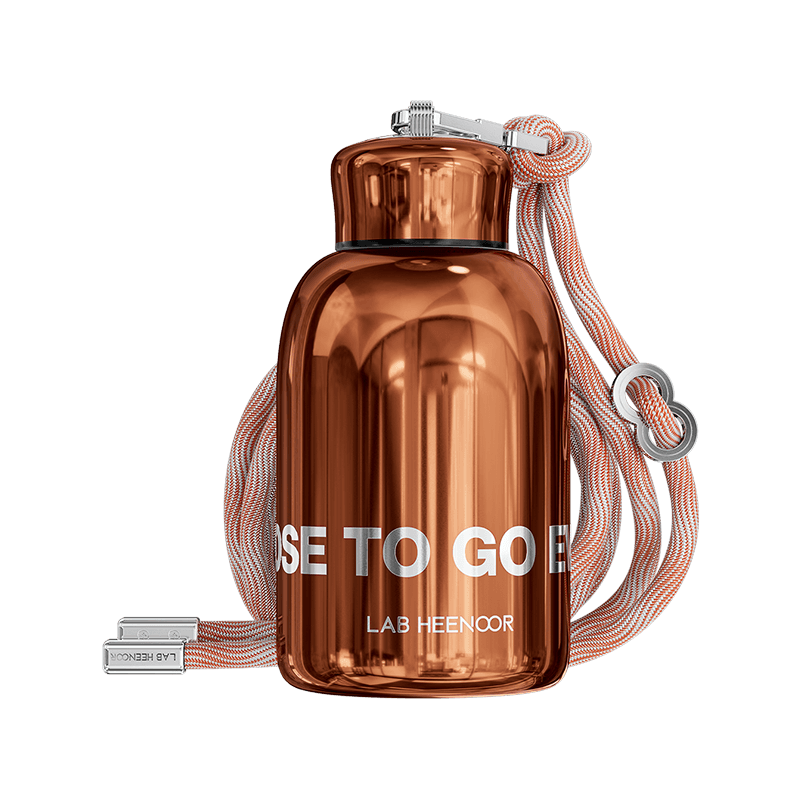
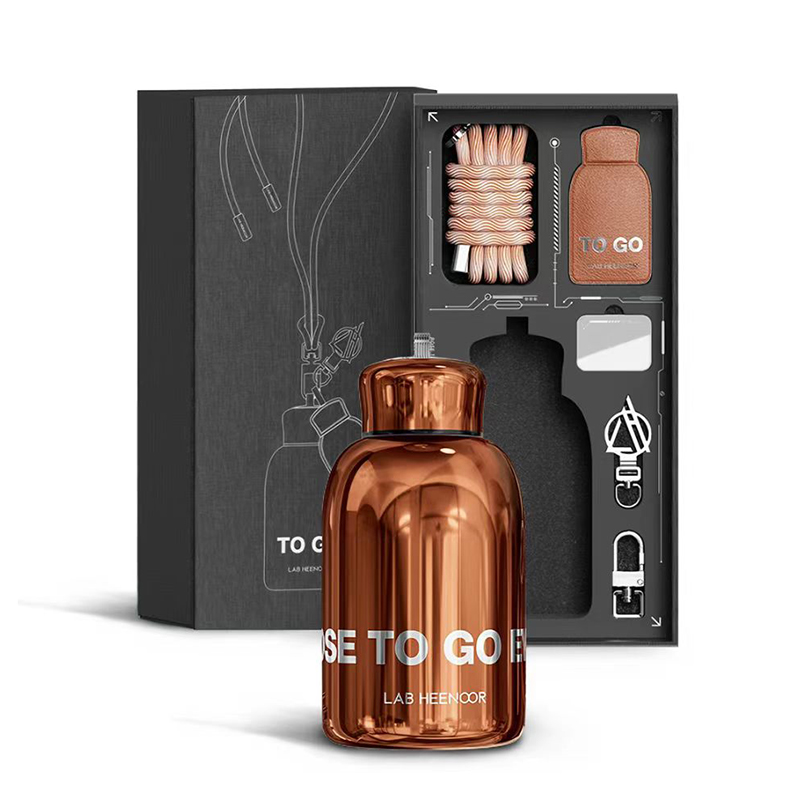 TOGO 430 ml Lightweight Vacuum FlaskA smaller double-wall stainless steel option at 238 g, with 430 ml capacity and adjustable strap for daily carrying.View Product →
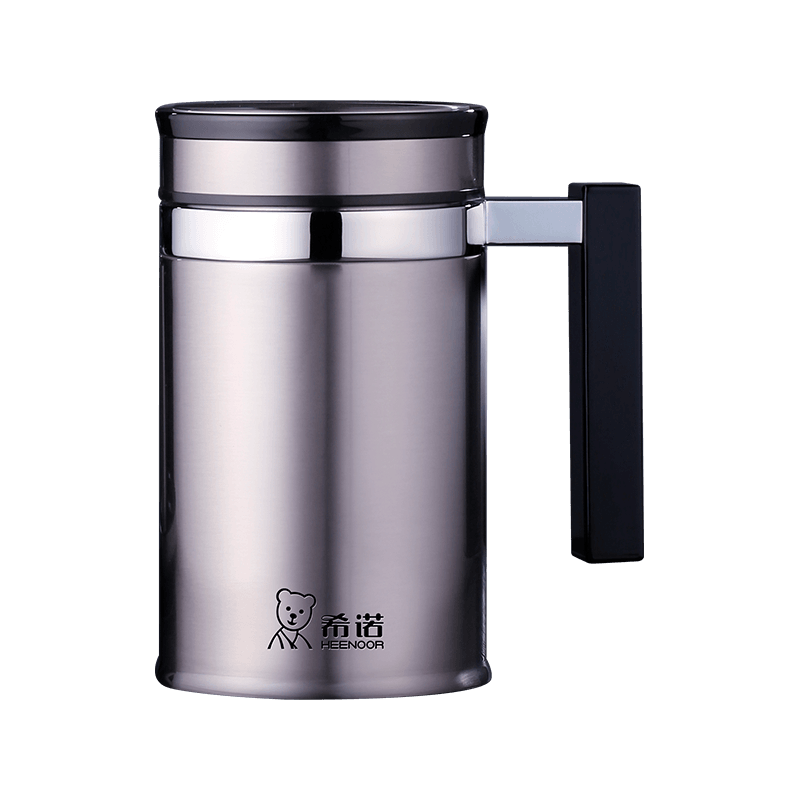
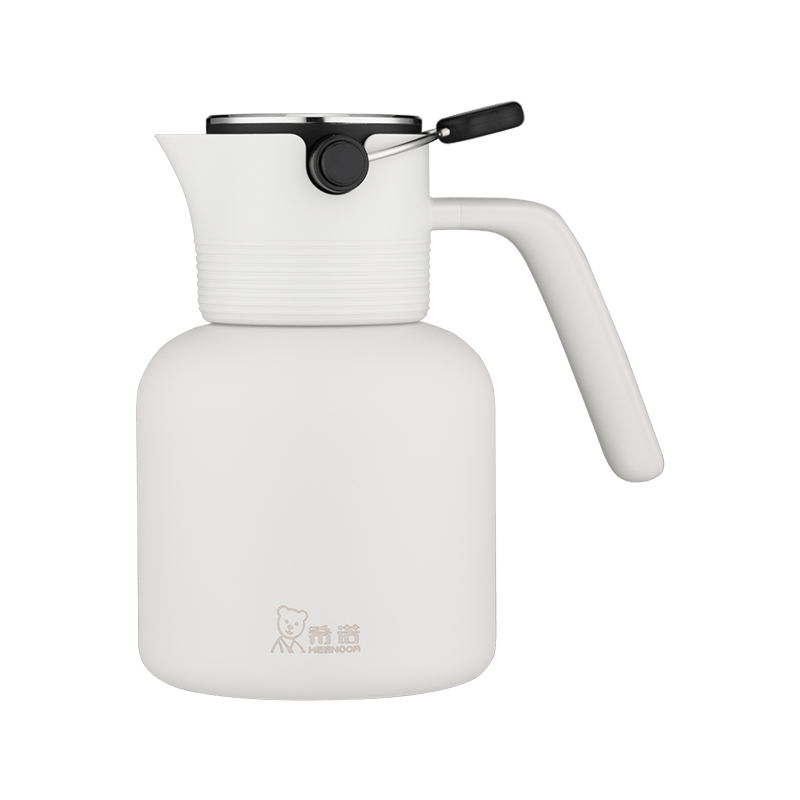
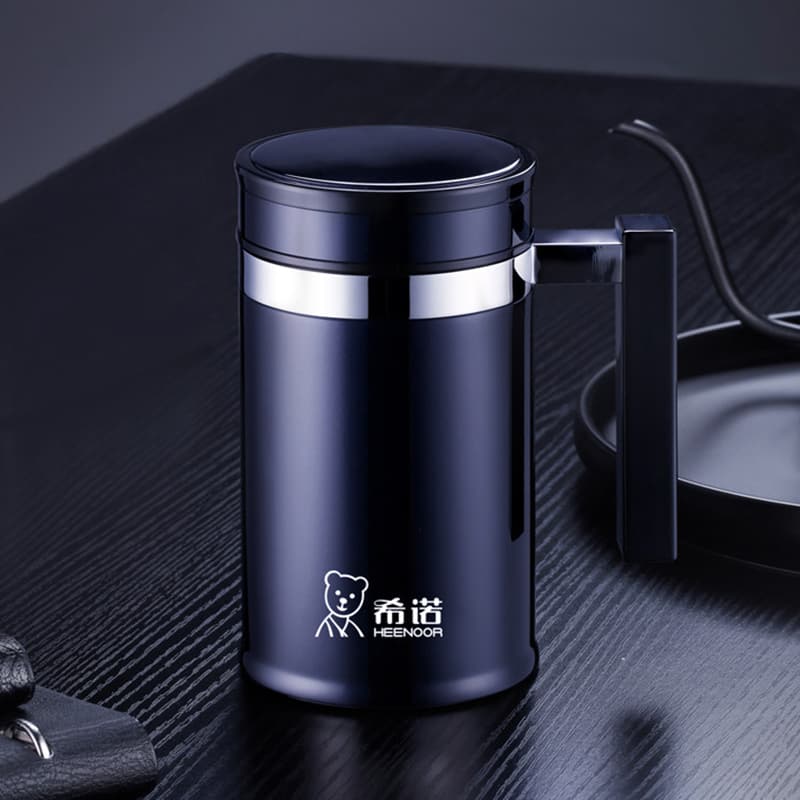 XN-7621 Office Handle Vacuum FlaskA 480 ml double-wall office flask with tea filter, reinforced handle, and silicone seals for commuting and desk use.View Product →
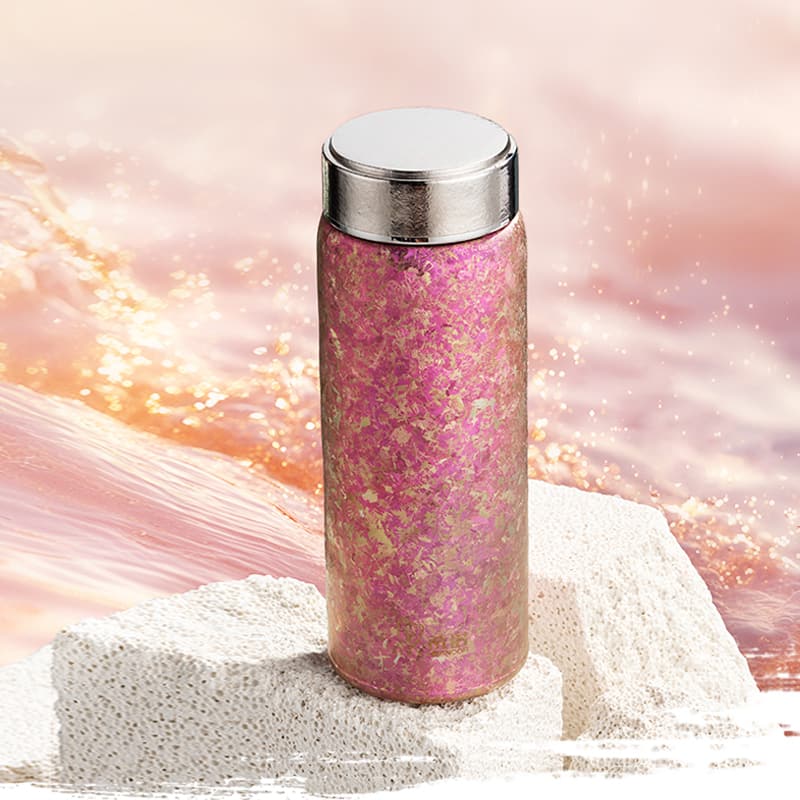 Pure Titanium Vacuum Flask for Tea and TravelA lightweight double-wall titanium option in 215 or 300 ml, with a tea filter and non-reactive body for varied drinks.View Product →
Disadvantages of Stainless Steel Water Bottles: An Honest Look for Everyday Use
Content
- 1 Weight and Portability
- 2 Metallic Taste and Steel Sensitivity
- 3 Heat Transfer, Condensation, and Single-Wall Limits
- 4 Cleaning, Odor, and the Hidden Interior
- 5 Denting, Coating Wear, and Long-Term Appearance
- 6 Nickel and Chromium: What the Leaching Concern Really Means
- 7 When Stainless Steel Is Not the Best Choice
- 8 What This Means for Buyers and Brands
- 9 Final Thoughts
Stainless steel water bottles have earned their reputation. They are tough, reusable, and available in almost any style. We make them, so it may sound odd to start with drawbacks. But anyone who has carried a heavy bottle on a long walk, noticed a faint metallic taste, or scrubbed tea stains from a narrow neck knows the material is not perfect. A fair answer has to include those everyday trade-offs. At Heenoor, our manufacturing background has taught us that the best bottle is the one that fits how someone actually drinks, travels, and cleans.
Weight and Portability
Double-wall vacuum bottles are the most common stainless steel design, and insulation comes with mass. A full 750 ml bottle can feel noticeably heavier than a plastic or single-wall alternative, especially in a backpack or shoulder bag. For commuters, students, and anyone who walks with a bag all day, that weight matters. Single-wall bottles are lighter, but they give up insulation and can become uncomfortable with hot or icy drinks. Portability is about the full weight of bottle plus liquid. For shorter trips, a smaller format often solves the problem more effectively than a thinner steel grade.
TOGO 430 ml Lightweight Vacuum FlaskA smaller double-wall stainless steel option at 238 g, with 430 ml capacity and adjustable strap for daily carrying.View Product →
If weight is the main concern, be honest about capacity and wall construction before choosing.
Metallic Taste and Steel Sensitivity
Not everyone notices a metallic taste, but some people do, particularly with a new bottle, a lower-grade steel, or acidic drinks. Coffee, citrus water, and some teas can make the effect more obvious. Food-grade stainless steel such as 304 or 316 is generally stable, and a clean bottle should not taste strongly of metal. Still, sensitivity varies. Residue from manufacturing, hard water, or old drinks can also contribute to an off taste, which is why thorough cleaning matters. If you are especially sensitive, glass or titanium may be a better match. The point is not that stainless steel is unsafe; it is that taste-neutral is not a universal experience.
Heat Transfer, Condensation, and Single-Wall Limits
Single-wall stainless steel has almost no insulating value. Hot drinks make the outside hot to touch, cold drinks create condensation, and the bottle can feel slippery. Double-wall vacuum construction addresses most of these problems, but it adds weight, cost, and manufacturing complexity. Even with a vacuum bottle, a hot beverage can stay hot for hours, which is good for tea but a burn risk for someone expecting a room-temperature drink. Condensation is usually less of an issue with vacuum insulation, but lid seals and exposed caps can still collect moisture.
XN-7621 Office Handle Vacuum FlaskA 480 ml double-wall office flask with tea filter, reinforced handle, and silicone seals for commuting and desk use.View Product →
For office and commuting use, double-wall designs are usually the practical choice; for a light day hike, a single-wall bottle may be enough if weight is the priority.
Cleaning, Odor, and the Hidden Interior
Stainless steel is durable, but it is not transparent. It is harder to see whether the bottom is clean, especially in a tall bottle with a narrow mouth. Tea, coffee, smoothies, and sports drinks can leave films or odors, and rubber gaskets can trap residue if they are not removed and washed. A bottle brush with a flexible handle helps, but some designs are easier to clean than others. Check whether the lid and seals are dishwasher-safe, because heat and detergent can wear down some materials. If a bottle develops a lingering smell, thorough disassembly and a mild cleaning routine are usually more effective than masking it with a stronger detergent. Glass is easier to inspect, but it is breakable; stainless steel trades visibility for durability.
Denting, Coating Wear, and Long-Term Appearance
Stainless steel resists rust and handles daily knocks better than glass, but it can still dent. A drop onto concrete may leave a visible dent, and a severe dent can affect the vacuum seal or the fit of the lid. Painted or coated finishes can chip at the edges, exposing the steel underneath. The bottle may remain usable, but the appearance changes. Abrasive cleaners and scouring pads can also dull the surface over time. For a bottle that lives in a work bag, a simple brushed finish or a replaceable sleeve may age more gracefully than a high-gloss coating. Dents are not usually a safety issue on their own, but they are a reminder that stainless steel is strong rather than indestructible.
Nickel and Chromium: What the Leaching Concern Really Means
The most common health question about stainless steel bottles is whether nickel and chromium can leach into drinks. These metals are part of the alloy that makes stainless steel resistant to corrosion, and trace amounts can migrate under certain conditions. Food-grade stainless steel is designed to keep that migration very low in normal use. The bigger concern is a low-quality bottle, a damaged interior, or a corroded surface. Deep scratches, pitting, peeling coatings, and visible corrosion are signs to stop using the bottle. Acidic or hot drinks can increase the potential for metal release, especially in poor-quality products. This is why material grade, interior finish, and quality control matter. A responsible manufacturer specifies food-grade steel, inspects the interior, and avoids claiming that any metal bottle is completely inert.
When Stainless Steel Is Not the Best Choice
Stainless steel is not the only sensible choice. Glass gives a neutral taste and is easy to inspect, but it is heavy and breakable. Titanium is light, corrosion-resistant, and often described as taste-neutral, but it costs more. Tritan and other plastics are light and shatter-resistant, though they have heat limits and can retain odors. The right answer depends on the use case.
Pure Titanium Vacuum Flask for Tea and TravelA lightweight double-wall titanium option in 215 or 300 ml, with a tea filter and non-reactive body for varied drinks.View Product →
A bottle for a desk, a gym bag, a child's backpack, and a hiking pack should not be judged by the same standard. The table below summarizes the main trade-offs without pretending that one material wins everywhere.
| Material | What it does well | Common downside |
|---|---|---|
| Single-wall stainless steel | Light, simple, durable | No insulation; heat or cold transfers to the hand; condensation |
| Double-wall stainless steel | Good insulation and comfortable exterior | Heavier; can dent; interior is harder to inspect |
| Glass | Neutral taste and easy cleaning | Breakable and relatively heavy |
| Titanium | Light, corrosion-resistant, neutral taste | Higher cost; can still dent |
| Tritan and other plastics | Light, inexpensive, shatter-resistant | Heat limits; odor retention; less premium feel |
What This Means for Buyers and Brands
For buyers and brands, the disadvantages are design briefs in disguise. Weight can be managed with capacity and wall construction. Metallic taste can be reduced with proper steel selection and interior finishing. Cleaning problems can be solved with wider mouths, removable seals, and thoughtful lid design. Leaching concerns are addressed through material specifications, testing, and honest use guidance. Heenoor works with brands and procurement teams on custom stainless steel cup programs, including logo, lid, and surface customization. The goal is not to hide the drawbacks but to engineer around them for the intended user. A bottle that is easy to clean and comfortable to carry will usually outperform a heavier bottle with a better spec sheet.
Final Thoughts
Stainless steel water bottles remain a strong choice for durability, insulation, and everyday convenience. The disadvantages are real but manageable: weight, metallic taste for some users, heat transfer in single-wall designs, cleaning challenges, denting, coating wear, and legitimate questions about metal release in poor-quality products. None of these makes stainless steel a bad material. They simply mean that material grade, construction, lid design, and use case deserve attention. The most useful question is not whether stainless steel is perfect, but whether a particular bottle is right for the person carrying it.
You may also like…
Copyright © 2025 Heenoor Co., Ltd. All Rights Reserved.
 Custom Stainless Steel Drinkware Manufacturers
BACK TOP